

- By carlie tj
- October 23, 2025
- Logistics Guide
International trade thrives on speed and efficiency, and rail freight China to Canada is becoming an attractive solution for importers seeking alternatives to sea and air. With trusted partners like China Top Freight, businesses can streamline logistics, reduce shipping costs, and ensure on-time delivery across North America.
1. What Is Rail Freight from China to Canada?
Rail freight involves transporting goods via the China–Europe–Canada corridor, using the Trans-Eurasian Railway combined with sea or intermodal connections to reach Canadian ports and inland terminals. This method balances affordability, speed, and sustainability.
2. Why Consider Rail Freight for China–Canada Trade?
Many businesses traditionally rely on sea or air shipping. However, rail freight offers:
- Faster transit compared to sea freight
- Lower costs compared to air freight
- Eco-friendly shipping with reduced CO₂ emissions
- Reliable schedules with fewer disruptions
3. How Does Rail Freight Compare to Other Shipping Methods?
Below is a comparison of rail, sea, and air freight between China and Canada:
| Shipping Method | Average Transit Time | Cost Level | Best For | Pros | Cons |
|---|---|---|---|---|---|
| Rail Freight | 22–28 days | Medium | Electronics, auto parts, consumer goods | Balanced speed & cost, eco-friendly | Limited routes, transloading required |
| Sea Freight (FCL/LCL) | 30–40 days | Low | Bulk goods, heavy cargo | Cheapest option | Long transit times |
| Air Freight | 5–10 days | High | Urgent cargo, small shipments | Fast & secure | Expensive |
4. How Much Does Rail Freight from China to Canada Cost?
Costs vary by shipment size, weight, and route.
| Cargo Type | Estimated Cost (USD) | Transit Time | Notes |
|---|---|---|---|
| 20ft FCL (Rail + Sea) | $3,200–$4,500 | 25–30 days | Ideal for medium cargo volumes |
| 40ft FCL (Rail + Sea) | $5,800–$7,200 | 25–30 days | Better for high-volume goods |
| LCL Rail Freight | $140–$190 per CBM | 25–35 days | Suitable for smaller loads |
| Air Freight | $5–$9 per kg | 5–10 days | Best for urgent shipments |
| Sea Freight | $2,000–$3,000 (20ft) | 30–40 days | Cheapest option overall |
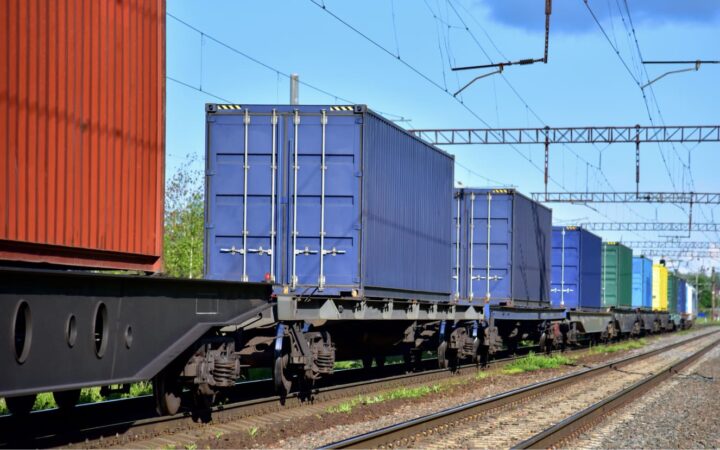
5. How Long Does Rail Freight Take from China to Canada?
Average rail freight transit time is 22–28 days, depending on:
- Origin city in China (Shenzhen, Xi’an, Chongqing)
- Route through Europe and transloading ports
- Canadian destination (Vancouver, Toronto, Montreal)
Although slightly longer than air freight, rail significantly reduces waiting time compared to sea freight.
6. What Documents Are Required for Customs Clearance?
To ensure smooth clearance for rail freight shipments, businesses need:
- Bill of Lading (B/L) or Railway Consignment Note
- Commercial Invoice
- Packing List
- Certificate of Origin
- Importer’s Business Number (BN) in Canada
- Product Compliance Certificates (if required)
7.Conclusion
Efficient rail freight China to Canada provides a competitive middle ground for importers. With lower costs than air and faster transit than sea, rail offers a reliable, eco-friendly solution for modern supply chains. By working with professional freight forwarders like China Top Freight, businesses can ensure compliance, minimize risks, and gain a strategic advantage in international trade.
8. Request a Quote
China Top Freight offers:
- ✅ Origin and Destination Countries
- ✅ Cargo Type and Volume
- ✅ Preferred Transport Method (Air, Sea, Rail, Road)
- ✅ Delivery Timeline
- ✅ Special Handling Requirements (if any)
9. FAQ
Q1. What is the main advantage of rail freight from China to Canada?
Rail freight balances cost and delivery speed, making it ideal for businesses seeking faster alternatives to sea freight but cheaper than air.
Q2. How does rail freight reduce carbon emissions compared to air freight?
Rail freight produces fewer emissions per ton, offering a greener shipping solution for companies focused on sustainable international logistics.
Q3. What types of goods are most suitable for rail freight shipments?
Electronics, machinery, auto parts, and consumer goods are common, especially when businesses need reliable delivery without high air costs.
Q4. Can rail freight shipments connect directly to Canadian inland cities?
Yes, shipments often enter via Vancouver or Montreal before transferring through intermodal rail networks to reach inland hubs like Toronto.
Q5. How do freight forwarders support customs compliance in Canada?
They prepare documentation, manage duties and taxes, and ensure shipments align with Canadian import laws, avoiding costly penalties or delays.