

- By kelly
- October 23, 2025
- Logistics Guide
Train Cargo China to Europe: The Complete Rail Freight Guide
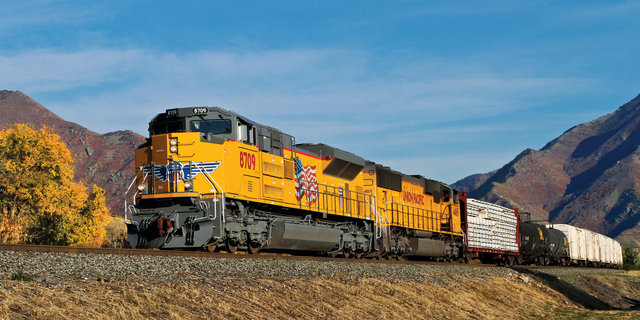
Global supply chains are shifting, and businesses are searching for alternatives to sea and air transport. One of the most efficient solutions is train cargo China to Europe, a service connecting Chinese manufacturing hubs with European markets through the Belt and Road Initiative. Offering faster transit than sea freight and lower costs than air freight, rail cargo is increasingly popular among importers and exporters. This guide explains transit times, costs, routes, documents, and how train cargo compares with other shipping methods.
1.What Is Train Cargo from China to Europe?
Train cargo, also known as China–Europe rail freight, uses transcontinental railway routes to transport goods across Eurasia. It connects major Chinese cities like Xi’an, Chongqing, Wuhan, and Shenzhen to European destinations including Hamburg, Duisburg, Warsaw, and Madrid.
This service is ideal for:
- Electronics and consumer goods
- Automotive parts and machinery
- Textiles and apparel
- High-value, time-sensitive cargo
2.Why Choose Rail Cargo Over Other Shipping Methods?
The advantages of rail freight are clear:
- Speed: Transit time is 15–22 days, faster than sea freight’s 30–40 days.
- Cost: Cheaper than air freight, often 40–50% lower.
- Capacity: Can handle high-volume shipments compared to express courier.
- Sustainability: Rail has lower carbon emissions than air or sea.
- Reliability: Stable schedules and multiple departure points.
3.How Much Does Train Cargo from China to Europe Cost?
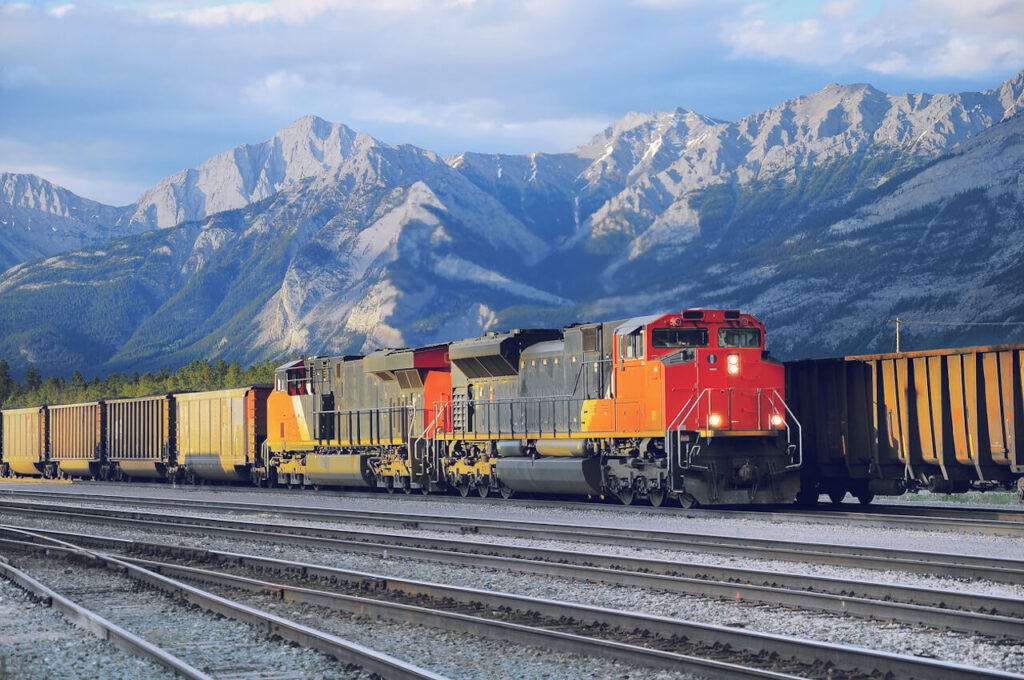
Rail freight costs depend on weight, volume, and route.
| Cargo Size | Estimated Cost (USD) | Notes |
|---|---|---|
| 100 kg sample cargo | $450–$600 | Faster than sea LCL |
| 1 CBM LCL cargo | $250–$350 | Shared container service |
| 20’ container (FCL) | $4,000–$5,000 | Door-to-door option available |
| 40’ container (FCL) | $6,500–$8,000 | Cheaper than air freight |
Prices fluctuate seasonally and may increase during peak demand.
4.What Is the Transit Time for Train Cargo?
| Route | Transit Time | Key Destinations |
|---|---|---|
| Xi’an → Duisburg | 16–18 days | Germany’s largest inland hub |
| Chongqing → Warsaw | 17–20 days | Central/Eastern Europe gateway |
| Wuhan → Hamburg | 18–22 days | Access to Northern Europe |
| Shenzhen → Madrid | 20–24 days | Southern Europe coverage |
5.How Does Rail Compare with Air and Sea Freight?
| Factor | Rail Freight | Air Freight | Sea Freight |
|---|---|---|---|
| Speed | 15–22 days | 5–8 days | 30–40 days |
| Cost | Medium ($6k–$8k/40’ FCL) | High ($9–$12/kg) | Low ($1.8k–$2.5k/40’ FCL) |
| Capacity | High | Limited | Unlimited |
| Emissions | Low | High | Medium |
| Best For | Medium urgency, bulk cargo | Urgent, high-value goods | Bulk, non-urgent shipments |
6.Which Routes Are Most Popular for Train Cargo?
The China–Europe Railway Network includes several key corridors:
- Northern Route: Via Russia → Belarus → Poland → Germany.
- Central Route: Via Kazakhstan → Russia → Belarus → Poland.
- Southern Route: Via Kazakhstan → Caspian Sea → Turkey → Eastern Europe.
European destinations include Germany, Poland, France, Italy, Spain, and the Netherlands. Duisburg in Germany is considered the primary hub.
7.What Documents Are Required for Train Cargo?
| Document | Purpose | Issued By |
|---|---|---|
| Commercial Invoice | Declares goods and value | Exporter |
| Packing List | Details cargo & packaging | Exporter |
| Railway Bill of Lading | Proof of carriage | Rail operator |
| Export Customs Declaration | Chinese clearance | Exporter |
| Import Customs Declaration | EU clearance | Importer |
| Certificate of Origin | Confirms country of manufacture | Chamber of Commerce |
| Insurance Certificate | Protects against cargo loss | Insurer |
8.What Goods Are Suited for Rail Freight?
- Electronics: Smartphones, laptops, household appliances.
- Automotive parts: Engines, transmissions, and components.
- Textiles and apparel: Faster delivery than sea freight.
- Industrial machinery: Cost-effective vs. air cargo.
- Medical equipment: Balances speed and compliance needs.
9.What Customs Procedures Apply to Train Cargo?
When goods reach the EU, customs clearance is required at the first entry point (often Poland or Germany). Importers must provide:
- EORI number
- HS code classification
- Value declaration for duties and VAT
- CE compliance documents for regulated products
10.How to Choose the Best Train Cargo Service?
- Check departure frequency from Chinese cities.
- Compare transit times across routes.
- Confirm customs handling services at destination.
- Choose FCL for high volume and LCL for small loads.
- Work with experienced freight forwarders familiar with EU customs.
11.Customs Checklist for Train Cargo China–Europe
| Step | Exporter Prepares | Importer Prepares |
|---|---|---|
| Commercial Invoice | ✅ | – |
| Packing List | ✅ | – |
| Export Declaration (China) | ✅ | – |
| Railway Bill of Lading | ✅ | – |
| Import Declaration (EU) | – | ✅ |
| EORI Registration | – | ✅ |
| Duty & VAT Payment | – | ✅ |
📦Get a Free Quote
Rail transport is becoming a cornerstone of Eurasian trade. If you’re considering the train cargo China to Europe option, our team can help with booking, customs, and door-to-door solutions. Contact us today to get competitive rates and keep your supply chain running smoothly.
❓ Frequently Asked Questions
1. How long does train cargo from China to Europe take?
Transit times average 15–22 days depending on departure city, destination hub, and customs clearance speed.
2. Is train cargo cheaper than air freight?
Yes, rail is 40–50% cheaper than air freight, though it is slower. It’s a cost-effective choice for medium-urgency cargo.
3. Which European cities receive train cargo from China?
Major hubs include Duisburg, Hamburg, Warsaw, Madrid, Milan, and Paris, connecting to the broader EU market.
4. Do I need an EORI number to import by rail?
Yes, all EU importers must have an Economic Operator Registration and Identification number for customs clearance.
5. Can I ship LCL cargo by train?
Yes, less-than-container-load (LCL) services allow smaller shipments to be consolidated into shared containers.
Conclusion
The train cargo China to Europe option offers an excellent balance between speed and cost. With transit times around 15–22 days, it is faster than sea freight and far more affordable than air freight. It’s ideal for medium-volume, high-value, or time-sensitive goods like electronics, textiles, and automotive parts. By preparing documents correctly and partnering with an experienced freight forwarder, businesses can ensure smooth customs clearance and timely delivery. Rail freight is a sustainable, efficient, and increasingly important solution for Eurasian trade.