

- By carlie tj
- October 24, 2025
- Logistics Guide
For businesses sourcing fabrics, garments, or home furnishings, finding the cheapest way to ship textiles from China to UK is critical to maintain profit margins. With rising shipping costs, customs complexities, and long lead times, textile importers often face major challenges. However, working with a reliable freight forwarder like China Top Freight helps reduce costs, avoid delays, and secure fast delivery tailored for textile logistics.
1. What Are the Main Shipping Options for Textiles from China to UK?
Shipping textiles typically involves sea freight, air freight, courier services, or rail freight. Each method serves different needs depending on shipment volume, urgency, and budget.
| Shipping Method | Average Cost | Transit Time | Advantages | Disadvantages |
|---|---|---|---|---|
| Sea Freight (FCL/LCL) | $1,500–$3,200/20ft container | 28–40 days | Cheapest for bulk textiles | Slow transit, port delays |
| Air Freight | $4 – $7/kg | 7–12 days | Fast, secure, reliable | Higher cost per unit |
| Rail Freight | $3,800–$5,500/40ft container | 18–25 days | Balance of cost & speed | Limited capacity |
| Express Courier | $6 – $10/kg | 5–8 days | Door-to-door, easy customs | Costly for large shipments |
2. How Much Does It Cost to Ship Textiles from China to UK?
Costs depend on shipment size, freight mode, textile type, and customs duties. Sea freight is the most economical for bulk fabrics, while air freight suits high-value apparel with short deadlines.
Additionally, importers must budget for:
- Customs duty (6–12% depending on HS code)
- VAT (20% in the UK)
- Handling charges and warehouse fees
- Insurance coverage for textiles in transit
3. Why Is Sea Freight the Cheapest Way for Bulk Textile Imports?
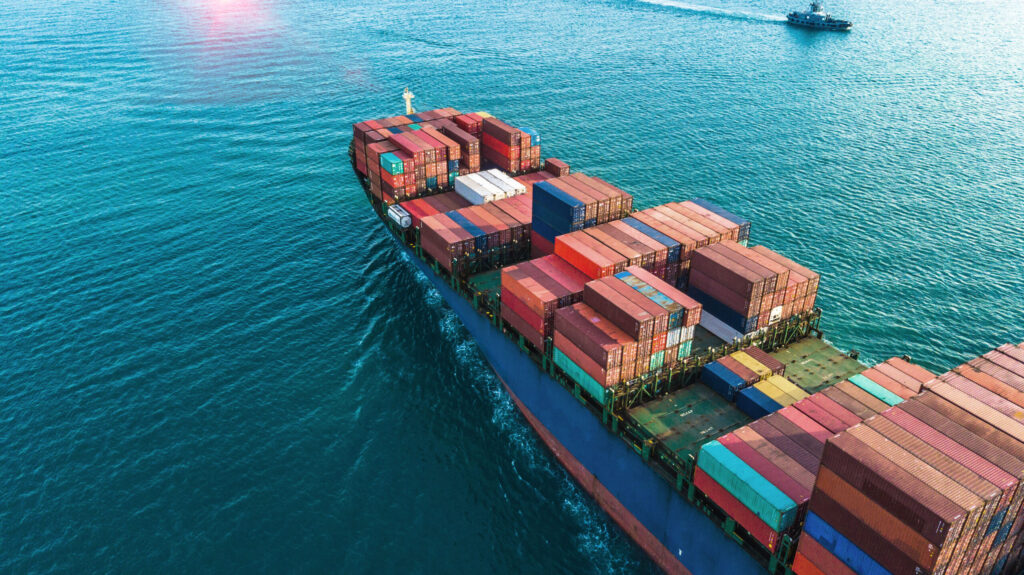
Sea freight remains the most cost-effective solution for textile shipments exceeding 2–3 cubic meters. Containerized shipping allows importers to transport large quantities at the lowest unit cost.
FCL vs. LCL for Textiles
| Container Option | Best Use | Cost Efficiency | Risk of Damage |
|---|---|---|---|
| FCL (20ft/40ft) | High-volume textile orders | Very high | Very low |
| LCL | Smaller textile shipments | Moderate | Higher due to shared container |
4. What Customs Documents Are Needed for Textile Shipping?
Proper documentation is crucial for avoiding clearance delays. Importers should prepare:
- Commercial Invoice
- Packing List
- Bill of Lading or Air Waybill
- Importer of Record (IOR) details
- HS code declaration for textiles
- UK EORI number
- Certificates of origin (if applicable)
Failure to provide accurate documents can result in shipment delays, penalties, or cargo being held at UK ports.
5. Should You Choose Air Freight for Textile Shipping?
Air freight is ideal for urgent textile orders, seasonal fashion collections, or luxury apparel. While costs are higher, the shorter lead times ensure goods arrive in sync with fashion retail cycles.
Air freight also offers better cargo security and reduced risk of moisture damage, which is particularly important for delicate fabrics.
6.What Is the Cheapest Way to Ship Textiles from China to UK Overall?
For large-scale textile imports, sea freight FCL offers the lowest per-unit cost. For urgent, high-value textile shipments, air freight is a better choice despite higher costs. Rail freight sits between the two, giving importers flexibility.
Therefore, the cheapest way depends on the importer’s priority: cost savings for bulk fabrics (sea) or speed for fashion cycles (air).
If you’re looking for the cheapest way to ship textiles from China to UK, our team can help. At China Top Freight, we combine low-cost sea and rail freight with expert customs clearance to guarantee smooth deliveries. Contact us today to request a free shipping quote and start saving on textile logistics.
7.Conclusion
Finding the cheapest way to ship textiles from China to UK requires balancing cost, transit time, and customs compliance. Sea freight remains the most affordable option for bulk fabrics, while air and courier services serve urgent needs. Rail freight provides a reliable middle ground. With careful planning, correct documentation, and support from an experienced freight forwarder, textile importers can minimize costs and ensure smooth delivery to the UK market.
8. Request a Quote
China Top Freight offers:
- ✅ Origin and Destination Countries
- ✅ Cargo Type and Volume
- ✅ Preferred Transport Method (Air, Sea, Rail, Road)
- ✅ Delivery Timeline
- ✅ Special Handling Requirements (if any)
9. FAQ
Q1: What HS codes are used for textiles when importing to the UK?
HS codes vary by product type, such as cotton fabrics, synthetic fibers, or apparel, and must be declared correctly for customs clearance.
Q2: Can I ship small textile samples by courier?
Courier services are ideal for textile samples, as they ensure fast delivery, simplified customs clearance, and direct delivery to your address.
Q3: How can I avoid moisture damage during sea freight?
Using desiccants, waterproof packaging, and properly sealed containers helps prevent moisture damage to textiles during long sea voyages.
Q4: Do I need an EORI number to import textiles into the UK?
An EORI number is mandatory for all UK imports, including textiles, and must be obtained before the customs clearance process begins.
Q5: Which incoterms are best for textile imports from China?
FOB (Free on Board) and CIF (Cost, Insurance & Freight) are the most commonly used incoterms for textile shipping from China.