

- By carlie tj
- October 24, 2025
- Logistics Guide
Importers face numerous challenges when managing computer parts freight China to Europe, from high shipping costs and customs duties to fragile cargo handling. Computer components such as processors, motherboards, graphic cards, and hard drives require secure packaging, fast delivery, and strict compliance with EU regulations. By working with experienced forwarders like China Top Freight, businesses can save costs, speed up customs clearance, and ensure reliable supply chain management across Europe.
1. What Shipping Methods Are Available for Computer Parts?
Importers can choose air freight, sea freight, rail freight, or courier services. Each offers unique pros and cons depending on urgency, costs, and shipment size.
| Shipping Method | Average Cost | Transit Time | Pros | Cons |
|---|---|---|---|---|
| Air Freight | $5 – $8/kg | 7–12 days | Fast, reliable, secure | High per-unit cost |
| Sea Freight (FCL/LCL) | $1,800–$3,200/20ft container | 28–40 days | Cheapest for bulk | Slow transit, port congestion |
| Rail Freight | $4,000–$6,000/40ft container | 18–25 days | Balance of speed & cost | Limited routes, capacity |
| Courier (DHL/UPS/FedEx) | $7 – $12/kg | 5–8 days | Door-to-door, easy customs | Expensive for heavy loads |
2. How Much Does It Cost to Ship Computer Parts from China to Europe?
Costs vary based on weight, volume, and freight type:
- 20ft container (FCL): $1,800–$3,200
- 40ft container (FCL): $2,800–$4,500
- Air freight: $5–$8/kg
- Courier services: $7–$12/kg
Other charges include:
- EU import duty (0–14% depending on HS code)
- VAT (varies by country, e.g., 19% Germany, 20% France, 21% Spain)
- Handling and terminal fees
- Inland trucking and last-mile delivery
3. Why Is Air Freight Popular for Computer Parts?
Due to their high value and small size, computer parts are often shipped via air freight. Benefits include:
- Reduced risk of damage
- Faster transit times (7–12 days)
- Ideal for high-value items such as CPUs and GPUs
- Better inventory control for e-commerce businesses
However, air freight is more expensive, making it less suitable for bulky or low-value parts.
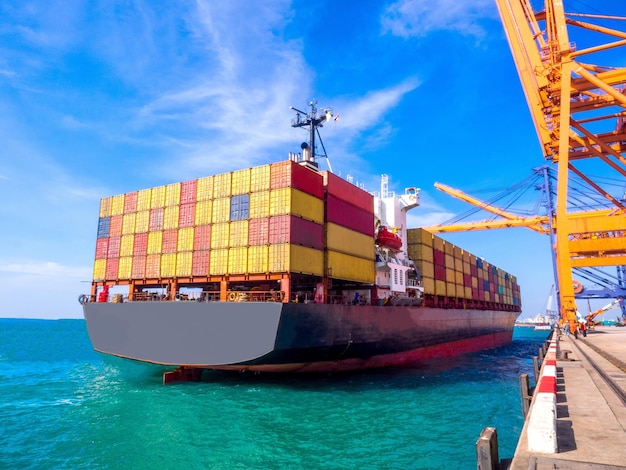
4. Is Sea Freight the Cheapest Option for Computer Parts?
Yes, sea freight is most economical for bulk shipments. Although slower, it reduces per-unit shipping costs significantly.
FCL vs LCL for Computer Parts
| Container Type | Best For | Cost Efficiency | Risk of Damage |
|---|---|---|---|
| FCL (20ft/40ft) | Large volumes of parts | Very high | Very low |
| LCL | Small/medium orders | Moderate | Higher due to mixed cargo |
5. What Customs Documents Are Required for Importing Computer Parts?
To clear customs efficiently, importers must provide:
- Commercial Invoice
- Packing List
- Bill of Lading / Air Waybill
- Importer of Record (IOR) details
- HS codes for computer parts (varies by product type)
- CE certification for compliance
- EORI number for EU imports
Failure to provide correct documents can delay customs clearance and increase storage costs.
6. What Packaging Requirements Apply to Computer Parts Freight?
Computer parts are sensitive to static, moisture, and shock. Packaging guidelines include:
- Anti-static bags for electronic components
- Bubble wrap or foam padding
- Strong cartons with fragile labels
- Palletization for bulk shipments
- Desiccants to prevent moisture damage
Proper packaging ensures safe delivery and compliance with carrier rules.
7.Conclusion
Shipping computer parts freight China to Europe requires careful planning, correct documentation, and the right transport method. Air freight suits urgent and high-value shipments, while sea freight remains the cheapest for bulk. Rail freight offers a balanced option, and courier services are best for samples or small orders. By partnering with experienced freight forwarders, importers can reduce costs, streamline customs clearance, and guarantee safe delivery of sensitive computer components.
8. Request a Quote
China Top Freight offers:
- ✅ Origin and Destination Countries
- ✅ Cargo Type and Volume
- ✅ Preferred Transport Method (Air, Sea, Rail, Road)
- ✅ Delivery Timeline
- ✅ Special Handling Requirements (if any)
9. FAQ
Q1: Do I need CE certification for importing computer parts into Europe?
Most computer components require CE marking for compliance with EU regulations. Importers must confirm certification before shipping to avoid customs delays.
Q2: Which Incoterms are best for computer parts freight from China?
FOB (Free on Board) and CIF (Cost, Insurance & Freight) are widely used. Importers should choose based on risk distribution and cost responsibility.
Q3: Can courier services be used for high-value computer parts?
Courier services like DHL or FedEx are ideal for small, high-value shipments. They ensure door-to-door delivery and simplified customs clearance.
Q4: What HS codes are used for computer parts imports into Europe?
HS codes vary by product: CPUs, memory, motherboards, and accessories. Accurate classification ensures correct duty and VAT calculations.
Q5: How do I protect sensitive computer parts during shipping?
Use anti-static bags, moisture protection, and reinforced cartons. Partner with a forwarder experienced in handling fragile electronics.