

- By kelly
- October 24, 2025
- Logistics Guide
China Air Freight News: Latest Trends, Costs, and Market Insights
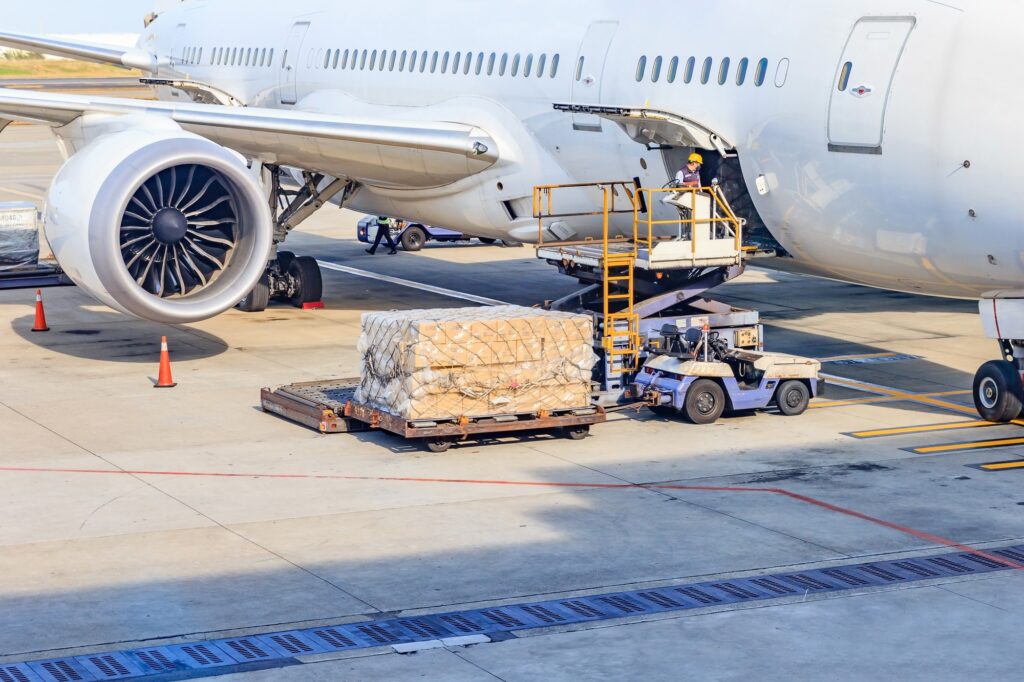
Global supply chains rely heavily on air freight, especially when speed and reliability matter. Staying informed with China air freight news helps importers, exporters, and logistics managers adapt to changing conditions. With China being one of the world’s largest exporters, air cargo developments directly impact businesses worldwide.
This comprehensive guide provides the latest updates on freight rates, customs changes, shipping methods, and how air freight compares with sea and rail alternatives.
1. Why Is China Air Freight So Important?
China is the world’s leading exporter, and air freight ensures that urgent, high-value, or time-sensitive goods reach international markets quickly.
Key industries relying on air freight:
- Electronics and semiconductors.
- Fashion and luxury goods.
- Medical equipment and pharmaceuticals.
- Automotive parts and high-tech components.
2. What Are the Latest Trends in China Air Freight?
Recent China air freight news highlights several trends shaping the market:
- Rising e-commerce demand increasing parcel volumes.
- Capacity constraints during peak seasons.
- Digital freight platforms enabling real-time tracking.
- Sustainability initiatives to reduce carbon emissions.
Moreover, geopolitical tensions and customs regulations often influence freight availability and costs.
3. How Much Does China Air Freight Cost Today?
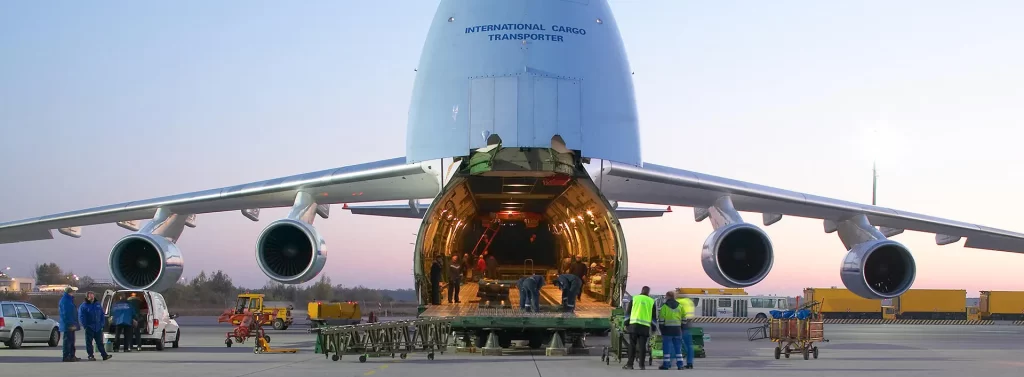
Air freight rates depend on weight, volume, and destination.
| Cargo Type | Average Cost per kg (USD) | Notes |
|---|---|---|
| General goods | $5 – $8 | Clothing, toys |
| Electronics | $6 – $10 | Batteries may incur surcharges |
| Express courier | $8 – $15 | Fast, door-to-door |
| Sensitive cargo | $7 – $12 | Medical or fragile items |
Tip: Consolidated air freight is a cost-effective option for smaller shipments.
4. How Long Does Air Freight from China Take?
| Route | Transit Time (Direct) | With Customs & Handling |
|---|---|---|
| Shanghai → London | 3–5 days | 5–7 days |
| Shenzhen → Los Angeles | 2–4 days | 4–6 days |
| Beijing → Frankfurt | 3–4 days | 5–6 days |
| Guangzhou → Dubai | 2–3 days | 3–5 days |
Delays are common during holidays such as Chinese New Year and global shopping events like Singles’ Day.
5. What Documents Are Required for Air Freight?
Accurate paperwork is critical for smooth customs clearance.
| Document | Purpose |
|---|---|
| Commercial Invoice | Declares product value |
| Packing List | Confirms contents |
| Air Waybill (AWB) | Proof of carriage |
| Certificate of Origin | Confirms country of manufacture |
| Import Permits (if required) | For restricted goods |
6. Air Freight vs. Sea Freight vs. Rail Freight: Which Is Better?
| Factor | Air Freight | Sea Freight | Rail Freight |
|---|---|---|---|
| Speed | 2–7 days | 25–40 days | 15–25 days |
| Cost | High | Lowest | Moderate |
| Best For | Urgent, high-value cargo | Bulk, heavy goods | Mid-volume cargo |
| Pros | Fast, secure, reliable | Economical, large capacity | Balanced cost/speed |
| Cons | Expensive, limited volume | Slow, risk of port delays | Limited routes |
Conclusion: Air freight is ideal when speed outweighs cost.
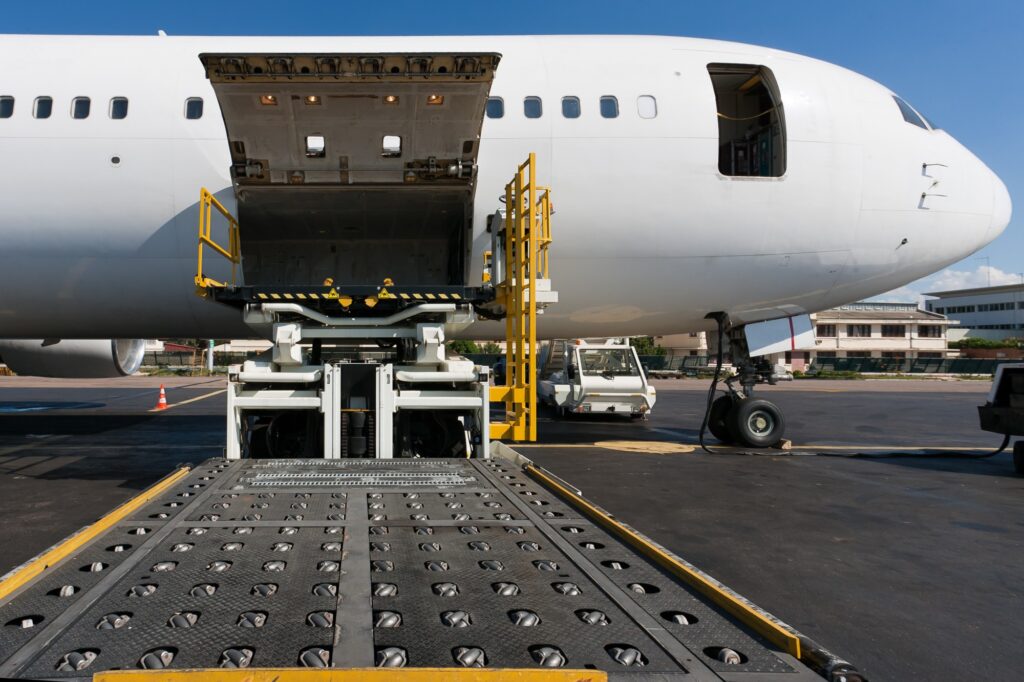
7. How Do Customs and Regulations Affect Air Freight?
Customs regulations play a critical role in delivery times. Importers must ensure:
- HS Code accuracy for duty classification.
- Compliance with IATA rules for dangerous goods.
- Valid licenses for restricted cargo like pharmaceuticals.
- VAT and import duties paid upon arrival.
Failure to meet requirements often results in cargo delays.
8. What Are the Main Airports Handling China Air Freight?
Major Chinese Airports:
- Shanghai Pudong International Airport (PVG).
- Guangzhou Baiyun International Airport (CAN).
- Beijing Capital International Airport (PEK).
- Shenzhen Bao’an International Airport (SZX).
Global Hubs Receiving Chinese Cargo:
- Frankfurt (FRA).
- London Heathrow (LHR).
- Los Angeles (LAX).
- Dubai International (DXB).
9. What Challenges Impact China Air Freight?
- Capacity shortages during high-demand seasons.
- High surcharges caused by fuel price fluctuations.
- Customs delays from incomplete paperwork.
- Geopolitical trade restrictions increasing costs.
However, planning early and working with experienced freight forwarders minimizes risks.
10. What Does the Future Look Like for China Air Freight?
According to industry reports, the future is driven by:
- Automation: AI and digital booking platforms.
- Sustainability: Airlines exploring green aviation fuel.
- E-commerce boom: Continuous rise in small-parcel shipping.
- Infrastructure upgrades: Expansion of China’s major cargo airports.
📦Get a Free Quote
Stay updated with the latest China air freight news and ensure your supply chain runs smoothly. Contact our expert logistics team today for competitive air freight rates, compliance support, and real-time shipment tracking.
❓ Frequently Asked Questions
Q1: How much does China air freight cost per kilogram?
Rates average $5–$8/kg for general goods, but can be higher for sensitive items like batteries or medical devices.
Q2: How long does air freight take from China to Europe?
Most direct routes take 3–5 days, but with customs clearance included, delivery often takes 5–7 days.
Q3: Is air freight more reliable than sea freight?
Yes, air freight is faster and more reliable, but it costs significantly more compared to sea transport.
Q4: Which goods are best suited for air freight?
High-value, fragile, or urgent goods such as electronics, fashion items, and pharmaceuticals benefit most from air transport.
Q5: What is an Air Waybill (AWB)?
An AWB is a document issued by an airline confirming the receipt of goods and serving as proof of transport.
Conclusion
Keeping track of China air freight news is essential for businesses navigating global logistics. While air freight is more expensive than sea or rail, it provides unmatched speed and reliability for time-sensitive shipments.
By preparing proper documents, monitoring customs regulations, and choosing the right freight forwarder, companies can streamline operations and avoid costly delays. For businesses importing from China, staying updated on air freight trends is not just helpful—it’s a competitive advantage.