

- By kelly
- October 24, 2025
- Logistics Guide
Cheapest Freight Forwarder China to Singapore: Complete Guide for Importers
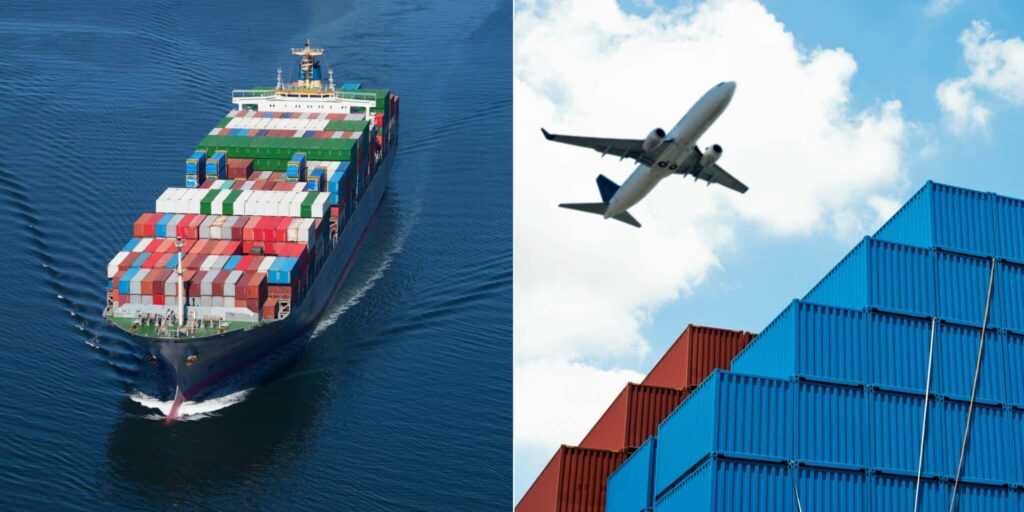
For businesses sourcing products from China, logistics costs directly impact profitability. Choosing the cheapest freight forwarder China to Singapore allows importers to optimize expenses while still ensuring timely and reliable delivery. Since Singapore is a major logistics hub in Southeast Asia, importers need cost-effective and efficient solutions to stay competitive.
This guide explains how to identify affordable freight forwarders, compares shipping methods, analyzes costs and transit times, and outlines customs requirements for China–Singapore trade.
1. Why Do You Need a Freight Forwarder for China–Singapore Shipments?
Freight forwarders act as intermediaries between shippers and carriers. They handle:
- Negotiating shipping rates.
- Organizing pickup and delivery.
- Preparing customs documentation.
- Offering door-to-door or port-to-port services.
Using the cheapest freight forwarder China to Singapore reduces operational stress and ensures compliance with both Chinese and Singaporean trade regulations.
2. What Are the Main Shipping Methods Between China and Singapore?
| Shipping Method | Transit Time | Cost | Best For | Cons |
|---|---|---|---|---|
| Air Freight | 2–5 days | High | Urgent or small shipments | Expensive |
| Sea Freight (FCL) | 8–12 days | Low | Bulk or container cargo | Slower |
| Sea Freight (LCL) | 10–15 days | Medium | Small volumes | Longer consolidation |
| Express Courier | 1–3 days | Very High | E-commerce parcels | Limited capacity |
| Rail Freight | Not common | N/A | Not suitable | No direct route |
3. How Much Does It Cost to Ship from China to Singapore?
Shipping costs depend on cargo type, volume, and method.
| Mode | Pricing Example | Notes |
|---|---|---|
| Air Freight | $4 – $7 per kg | Urgent and lightweight cargo |
| Sea Freight (LCL) | $80 – $120 per CBM | Suitable for small volumes |
| Sea Freight (FCL 20ft) | $800 – $1,200 per container | Best for bulk cargo |
| Sea Freight (FCL 40ft) | $1,400 – $2,000 per container | Ideal for large shipments |
| Express Courier | $6 – $12 per kg | Door-to-door fast delivery |
4. Which Ports and Airports Handle China–Singapore Shipments?
Major Chinese Ports:
- Shanghai Port
- Ningbo Port
- Guangzhou Port
- Shenzhen Port
Singapore Entry Point:
- Port of Singapore (one of the world’s busiest container terminals).
Air Freight Hubs:
- Shanghai Pudong International Airport
- Shenzhen Bao’an International Airport
- Singapore Changi Airport (destination)
5. What Customs Documents Are Required for Importing?
| Document | Purpose |
|---|---|
| Commercial Invoice | Declares product value and buyer/seller details |
| Packing List | Confirms cargo contents |
| Bill of Lading / Air Waybill | Proof of shipment contract |
| Certificate of Origin | Confirms where goods were made |
| Import Permits (if applicable) | For restricted items like food or electronics |
Failure to provide correct documentation can delay clearance and increase costs.
6. How Long Does Shipping Take from China to Singapore?
| Route | Mode | Transit Time |
|---|---|---|
| Shanghai → Singapore | Sea Freight | 9–12 days |
| Guangzhou → Singapore | Sea Freight | 8–10 days |
| Shenzhen → Singapore | Air Freight | 2–4 days |
| Ningbo → Singapore | Sea Freight | 10–13 days |
During peak seasons, clearance and port congestion may extend transit times.
7. How to Find the Cheapest Freight Forwarder?
- Compare quotes from multiple forwarders.
- Choose consolidation services for LCL shipments.
- Negotiate long-term contracts for frequent imports.
- Use hybrid shipping (split urgent cargo by air and bulk by sea).
- Check value-added services like customs clearance and last-mile delivery.
8. What Are the Pros and Cons of Each Shipping Method?
| Mode | Pros | Cons |
|---|---|---|
| Air Freight | Fast, secure | Expensive |
| Sea Freight (FCL) | Cheapest per unit | Slower |
| Sea Freight (LCL) | Flexible for small shipments | Longer transit |
| Courier | Convenient, door-to-door | Costly for large volumes |
9. Why Singapore Is a Strategic Destination?
Singapore’s logistics strength makes it ideal for regional distribution:
- Free trade hub with multiple FTAs.
- Efficient customs clearance and digital systems.
- Connectivity to Southeast Asia markets.
- Advanced infrastructure at Changi Airport and Port of Singapore.
10. Common Challenges with Freight Forwarding China to Singapore
- Rising shipping costs due to fuel surcharges.
- Seasonal congestion around Chinese New Year.
- Customs delays from missing documents.
- Unreliable carriers without tracking options.
Working with the cheapest reliable freight forwarder prevents these risks.
11. Future Trends in China–Singapore Freight
- Digital logistics platforms for instant quotes and bookings.
- Green logistics initiatives with sustainable fuel use.
- E-commerce growth fueling small parcel air freight.
- Smart ports and AI customs clearance improving efficiency.
📦Get a Free Quote
Finding the cheapest freight forwarder China to Singapore is not just about price—it’s about balancing cost with reliability, speed, and compliance. Contact our team today for a competitive quote and expert guidance tailored to your business.
❓ Frequently Asked Questions
Q1: How much does sea freight cost from China to Singapore?
A 20ft container costs around $800–$1,200, while LCL rates are $80–$120 per CBM depending on season and port.
Q2: What is the fastest shipping method from China to Singapore?
Air freight takes 2–5 days, while express couriers like DHL or FedEx deliver within 1–3 days for small parcels.
Q3: Do I need an import permit for Singapore?
Yes, certain goods such as electronics, food, or chemicals require permits from Singaporean authorities before clearance.
Q4: Can I track my shipment from China to Singapore?
Yes, most freight forwarders and carriers provide real-time digital tracking for both air and sea shipments.
Conclusion
Shipping with the cheapest freight forwarder China to Singapore helps businesses reduce logistics costs while maintaining efficiency. Air freight is best for urgent goods, sea freight is ideal for bulk shipments, and express couriers suit e-commerce orders.
By preparing documents correctly, planning shipments early, and working with an experienced freight forwarder, importers can minimize risks and ensure smooth delivery. In a competitive market, cost-effective freight forwarding is the key to sustainable growth.