

- By kelly
- October 24, 2025
- Logistics Guide
Cheapest Way to Ship Medical Equipment from China to Europe
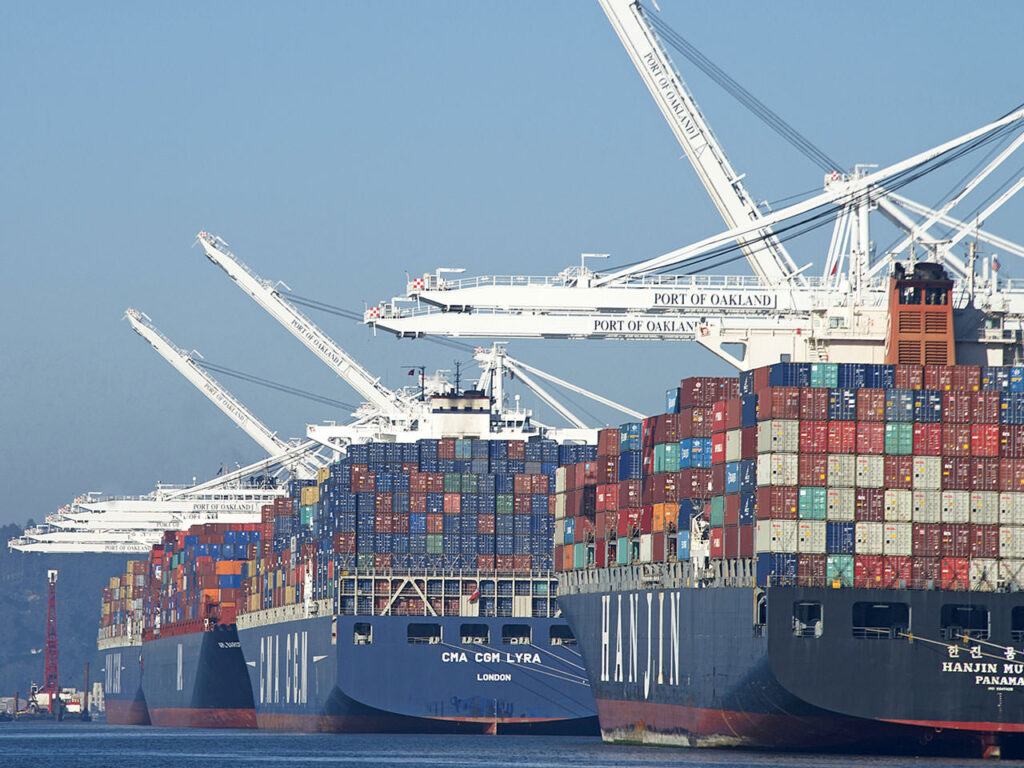
When dealing with sensitive cargo like medical devices, cost and speed are critical. Many importers search for the cheapest way to ship medical equipment from China to Europe while ensuring compliance with strict regulations. Choosing the right mode of transport, understanding customs requirements, and balancing cost against transit time can help businesses optimize their supply chains without sacrificing quality.
1. Why Is Shipping Medical Equipment from China to Europe So Complex?
Medical equipment often requires special handling due to its high value, fragility, or temperature sensitivity. Additionally, European customs authorities impose strict regulations on medical imports. Therefore, shippers must balance cost efficiency with compliance to avoid delays and penalties.
2. What Are the Main Shipping Options for Medical Equipment?
| Shipping Method | Average Cost | Transit Time | Pros | Cons |
|---|---|---|---|---|
| Air Freight | $6–$10/kg | 5–8 days | Fast, secure, reliable | Expensive |
| Sea Freight (FCL) | $2,000–$3,000/40ft | 28–35 days | Cheapest per unit for bulk | Slow |
| Sea Freight (LCL) | $50–$80/CBM | 30–38 days | Affordable for small loads | Shared container risks |
| Rail Freight | $4,500–$6,500/40ft | 18–22 days | Faster than sea, cheaper than air | Limited routes |
| Express Courier | $10–$15/kg | 3–5 days | Best for small urgent cargo | Highest cost |
Conclusion: Sea freight is the cheapest way, but air freight or rail may be better for urgent shipments.
3. How Do Freight Costs Impact Medical Equipment Supply Chains?
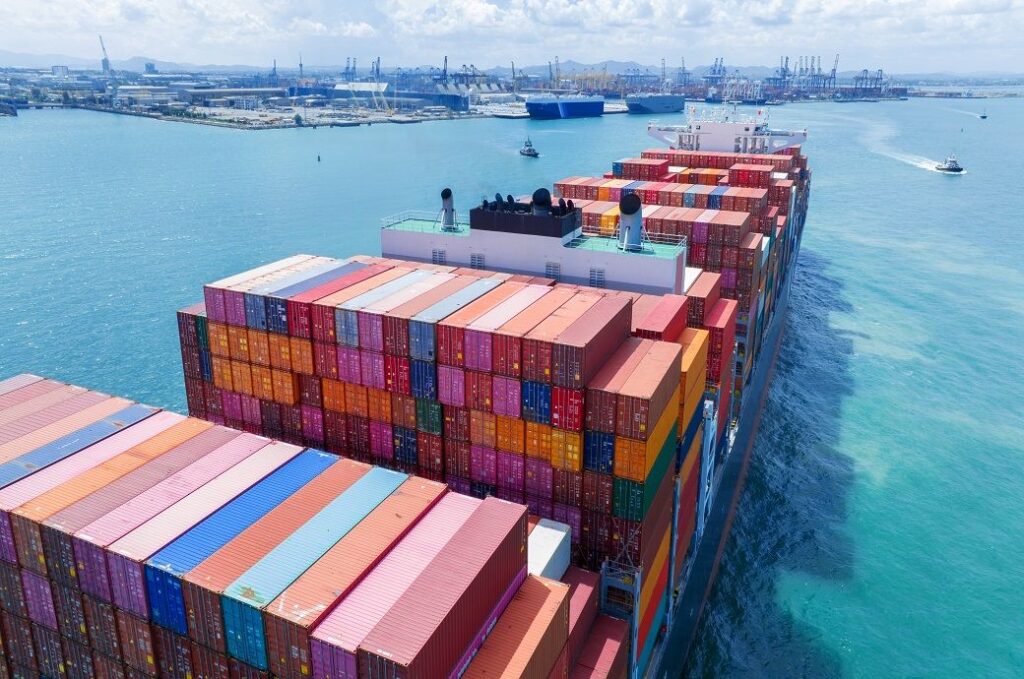
Freight costs influence:
- Product pricing for hospitals and clinics.
- Inventory management, as higher shipping costs reduce flexibility.
- Cash flow, since importers may face higher upfront shipping expenses.
Therefore, businesses should carefully compare cost-per-unit across modes.
4. Should You Choose Air Freight or Sea Freight for Medical Equipment?
| Factor | Air Freight | Sea Freight |
|---|---|---|
| Speed | 5–8 days | 28–35 days |
| Cost | Higher | Lower |
| Risk | Minimal | More exposure |
| Best For | Urgent or fragile goods | Large bulk shipments |
For high-value medical devices like ventilators or imaging equipment, air freight may justify higher costs. However, consumables like gloves or masks can travel by sea at lower cost.
5. What Role Does Rail Freight Play in China–Europe Shipping?
Rail freight has become an attractive alternative for medical equipment:
- Transit time: 18–22 days, much faster than sea.
- Costs: Lower than air freight.
- Routes: China to Germany, Belgium, and Eastern Europe.
This hybrid solution balances speed and affordability, making it ideal for non-urgent but valuable shipments.
6. What Customs Documents Are Needed for Medical Equipment Imports?
| Document | Purpose |
|---|---|
| Commercial Invoice | Declares shipment value. |
| Packing List | Itemized list of equipment. |
| Bill of Lading/Air Waybill | Proof of shipment. |
| CE Certificate | Compliance with EU medical device rules. |
| Import License | For regulated medical devices. |
| Certificate of Origin | Proves manufacturing location. |
| Insurance Certificate | Protects against loss or damage. |
Proper documentation prevents clearance delays, which could increase costs significantly.
7. How to Reduce Costs While Shipping Medical Equipment
- Consolidate cargo to share container costs.
- Book off-peak to avoid seasonal surcharges.
- Negotiate rates with freight forwarders.
- Use regional entry points like Rotterdam or Hamburg for lower port fees.
- Leverage freight forwarder expertise for customs compliance.
8. Can Courier Services Be the Cheapest Option for Small Loads?
For small, lightweight medical devices, express couriers like DHL, UPS, and FedEx can actually be cheaper than air freight, especially when delivery speed is critical. Moreover, they handle customs clearance, reducing administrative costs.
9. What Are the Risks of Choosing the Cheapest Method?
- Delays in sea freight could disrupt hospital supply chains.
- Improper handling may damage sensitive medical devices.
- Regulatory non-compliance could result in confiscation or fines.
Therefore, “cheap” should not mean sacrificing reliability or compliance.
10. How to Select the Right Freight Forwarder for Medical Equipment
When choosing a logistics partner, check for:
- Experience with medical equipment shipping.
- Knowledge of EU import regulations.
- Availability of temperature-controlled solutions.
- Transparent pricing models.
- Access to door-to-door delivery.
Working with a specialized forwarder ensures safety and cost-efficiency.
11. Transit Time Comparison for Key Routes
| Route | Mode | Transit Time |
|---|---|---|
| Shanghai → Hamburg | Sea Freight | 30–35 days |
| Shenzhen → Paris | Air Freight | 5–7 days |
| Chengdu → Warsaw | Rail Freight | 18–22 days |
| Guangzhou → Brussels | Express | 3–5 days |
This table shows how mode choice drastically changes speed and cost.
📦Get a Free Quote
Reliable logistics partners make finding the cheapest way to ship medical equipment from China to Europe simple and efficient. Whether you need urgent air freight or budget sea freight, professional freight forwarders can design a tailored solution that balances cost, compliance, and speed. Contact us today to request a competitive quote and streamline your supply chain.
❓ Frequently Asked Questions
Q1: What is the cheapest way to ship medical equipment from China to Europe?
Sea freight is the cheapest for large volumes, while rail freight is a faster mid-cost option for Europe.
Q2: Can small businesses ship medical devices affordably?
Yes, LCL sea freight or express couriers allow SMEs to import smaller volumes cost-effectively.
Q3: Do medical devices require special certifications to enter Europe?
Yes, CE certification and sometimes import licenses are required for regulated devices.
Q4: How long does air freight take from China to Europe?
Air freight usually takes 5–8 days, depending on route and customs clearance.
Q5: What risks come with choosing the cheapest option?
The main risks are shipping delays, poor handling, and customs penalties if documentation is incomplete.
Conclusion
The cheapest way to ship medical equipment from China to Europe depends on shipment size, urgency, and regulatory requirements. Sea freight is ideal for bulk shipments, rail freight balances speed with cost, and air freight ensures rapid delivery for urgent or high-value items. By working with professional freight forwarders and preparing proper documents, businesses can reduce expenses while ensuring timely delivery.
For companies seeking affordability without sacrificing compliance, a carefully chosen logistics strategy remains the best path forward.