

- By carlie tj
- October 27, 2025
- Logistics Guide
When sourcing products from China, importers often seek efficient ocean freight China to France solutions. China Top Freight provides durable, cost-effective logistics services tailored for businesses managing bulk shipments, customs clearance, and delivery schedules. However, importers face challenges such as transit delays, rising shipping costs, and strict EU customs requirements. This guide explains how to optimize your sea freight from China to France.
1. What Is Ocean Freight from China to France?
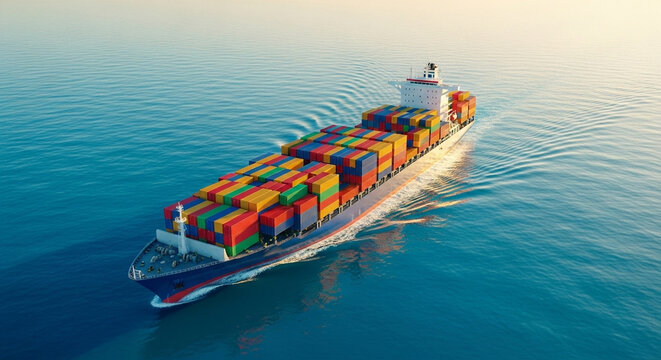
Ocean freight refers to shipping goods via sea vessels, usually in FCL (Full Container Load) or LCL (Less than Container Load) formats. Importers rely on this method for bulky, heavy, or non-urgent shipments. Because it balances affordability with large cargo capacity, ocean freight remains the most popular logistics option for international trade between China and France.
2. Why Choose Ocean Freight Instead of Air or Rail?
While air freight offers faster transit, it is significantly more expensive for large shipments. Meanwhile, rail freight is viable for inland Europe but less direct to France compared to seaports.
| Shipping Method | Transit Time | Cost Level | Pros | Cons |
|---|---|---|---|---|
| Ocean Freight | 28–40 days | Low | Cheapest for bulk, eco-friendly | Longer transit, weather delays |
| Air Freight | 5–8 days | High | Fast, reliable for urgent goods | Very expensive |
| Rail Freight | 18–25 days | Medium | Balanced speed & cost, land route | Limited direct France access |
3. Which Major Ports Connect China and France?
Both countries operate global hubs supporting large volumes of import/export cargo.
China’s Main Ports: Shanghai, Ningbo, Shenzhen, Qingdao, Tianjin.
France’s Key Ports: Le Havre, Marseille-Fos, Dunkirk.
Importers often choose Shanghai–Le Havre or Ningbo–Marseille as cost-effective shipping routes. Moreover, the port of Dunkirk provides direct access to Northern France and Belgium.
4. How Much Does Ocean Freight from China to France Cost?
Ocean freight pricing depends on multiple factors:
- Container Size: 20ft, 40ft, or 40ft HQ containers.
- Incoterms: FOB, CIF, or DDP.
- Cargo Type: Hazardous, oversized, or refrigerated goods.
- Seasonality: Peak seasons increase shipping costs.
| Container Type | Average Rate (USD) | Capacity | Best For |
|---|---|---|---|
| 20ft FCL | $1,500 – $2,000 | 28 CBM | Small bulk shipments |
| 40ft FCL | $2,500 – $3,200 | 58 CBM | Standard bulk loads |
| LCL Cargo | $30 – $60 / CBM | Flexible | Smaller mixed cargo |
Note: Rates fluctuate with market demand and fuel prices.
5. How Long Does Sea Freight Take from China to France?
Transit time ranges between 28–40 days, depending on port selection, vessel schedules, and customs clearance. For example:
- Shanghai → Le Havre: ~32–35 days
- Shenzhen → Marseille-Fos: ~28–30 days
- Qingdao → Dunkirk: ~38–40 days
Although longer than air freight, ocean freight offers reliable scheduling for non-urgent goods.
6. What Documents Are Required for Importing to France?
Proper documentation ensures smooth customs clearance. Importers must prepare:
- Bill of Lading (B/L)
- Commercial Invoice
- Packing List
- Certificate of Origin
- Customs Declaration
- Insurance Certificate (if applicable)
Failure to provide accurate paperwork can result in penalties or shipment delays at French ports.
7.Conclusion
Shipping via ocean freight China to France remains the most economical choice for bulk goods. Although transit takes longer, businesses benefit from lower costs, large cargo capacity, and eco-friendly transport. By preparing proper documents, choosing the right container option, and partnering with experienced freight forwarders, companies can ensure smooth delivery schedules. Ultimately, ocean freight is a reliable cornerstone for international supply chains between China and France.
8. Request a Quote
China Top Freight offers:
- ✅ Origin and Destination Countries
- ✅ Cargo Type and Volume
- ✅ Preferred Transport Method (Air, Sea, Rail, Road)
- ✅ Delivery Timeline
- ✅ Special Handling Requirements (if any)
💬9. FAQ
1. What is the average cost of ocean freight from China to France?
Rates range between $1,500 for 20ft containers and $3,200 for 40ft containers, but prices vary with fuel, season, and cargo type.
2. How long does shipping by sea take from China to France?
Transit typically takes 28–40 days depending on departure and arrival ports, customs clearance efficiency, and seasonal shipping demand.
3. Can I ship small cargo without booking a full container?
Yes, LCL shipping allows smaller loads to be consolidated with others, offering flexibility though it requires slightly longer handling.
4. Which are the busiest French ports for Chinese imports?
Le Havre, Marseille-Fos, and Dunkirk handle the majority of imports, offering efficient customs clearance and strong inland transport connectivity.
5. Do I need insurance for ocean freight shipments?
Marine insurance is strongly recommended as it protects against risks like loss, theft, or damage during long ocean voyages.