

- By carlie tj
- October 27, 2025
- Logistics Guide
When businesses look for reliable logistics solutions, Lily China Freight Forwarding often comes into consideration. At China Top Freight, we understand the challenges importers face—rising shipping costs, complex customs processes, and unpredictable transit times. However, with the right freight forwarder, companies can streamline supply chains, reduce risks, and maintain competitive delivery schedules. This guide explores Lily’s services, compares them to industry alternatives, and highlights what to consider when choosing a freight forwarding partner.
1. What Is Lily China Freight Forwarding?
Lily China Freight Forwarding is a logistics provider specializing in cargo movement from China to global markets. They offer sea, air, and courier services while managing customs clearance, warehousing, and door-to-door solutions.
2. Why Do Importers Choose Freight Forwarders from China?
China remains the world’s manufacturing hub. Therefore, freight forwarders play a crucial role in connecting exporters with overseas buyers. They simplify import/export processes, consolidate shipments, and negotiate better shipping costs with carriers.
3. How Does Lily China Freight Forwarding Compare with Other Providers?
| Criteria | Lily Freight Forwarding | China Top Freight | Typical Local Agents |
|---|---|---|---|
| Coverage | Major ports in China | Global with FBA/Amazon expertise | Limited |
| Cost Transparency | Standardized quotes | Tailored pricing with cost breakdown | Often unclear |
| Customs Support | Available | End-to-end clearance | Varies |
| Specialized Solutions | General cargo focus | FCL, LCL, air, rail, courier | Narrower scopec |
4. What Are the Main Services Offered?
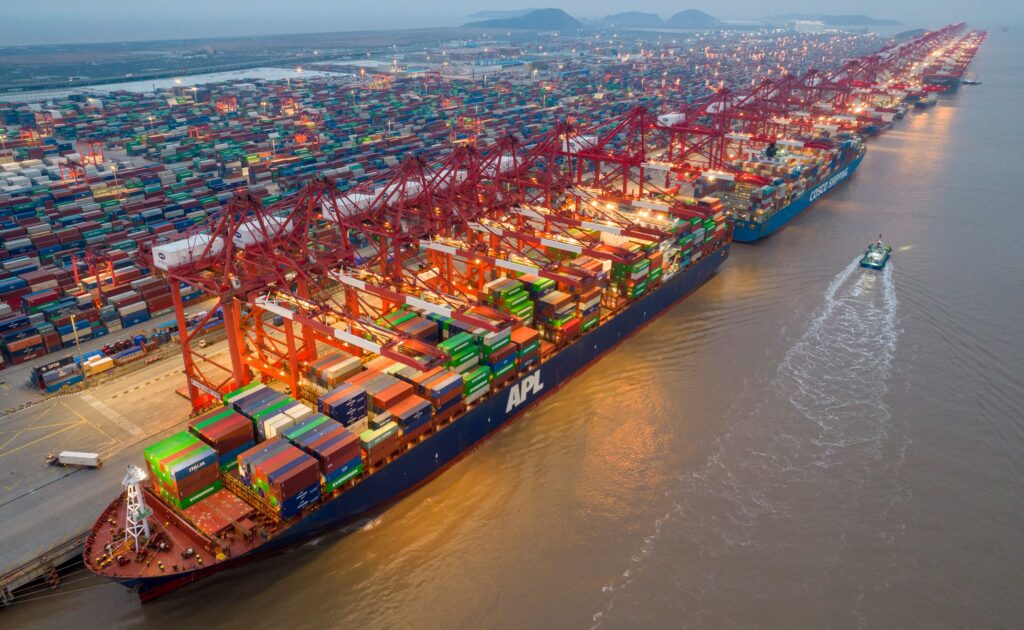
- Sea Freight (FCL & LCL): For bulk shipments requiring cost-effective transport.
- Air Freight: For urgent deliveries with reduced transit times.
- Courier/Express: Small parcels delivered quickly via integrated carriers.
- Customs Brokerage: Compliance with destination regulations.
- Warehousing: Temporary storage and distribution support.
5. How Much Do Sea and Air Freight Services Cost?
| Shipping Mode | Estimated Cost | Transit Time | Best For |
|---|---|---|---|
| Sea Freight (20ft FCL) | $1,200–$2,000 | 25–35 days | Bulk or heavy goods |
| Sea Freight (LCL) | $80–$120/CBM | 28–40 days | Small mixed cargo |
| Air Freight | $5–$8/kg | 5–10 days | Time-sensitive shipments |
| Courier | $10–$15/kg | 3–7 days | Samples, small packages |
Rates fluctuate with fuel, season, and carrier availability.
6. What Customs Documents Are Needed?
Smooth shipping requires the following documents:
- Bill of Lading (B/L)
- Commercial Invoice
- Packing List
- Certificate of Origin
- Importer’s Customs Code
- Insurance Certificate
- Special permits for restricted goods (e.g., chemicals, food items)
7.Conclusion
Choosing Lily China Freight Forwarding requires balancing reliability, cost, and service scope. While Lily offers dependable coverage, importers seeking specialized solutions—such as Amazon FBA or door-to-door logistics—may prefer alternatives like China Top Freight. Ultimately, the best forwarder ensures transparency in rates, accurate transit schedules, and efficient customs clearance, helping businesses thrive in global trade.
8. Request a Quote
China Top Freight offers:
- ✅ Origin and Destination Countries
- ✅ Cargo Type and Volume
- ✅ Preferred Transport Method (Air, Sea, Rail, Road)
- ✅ Delivery Timeline
- ✅ Special Handling Requirements (if any)
9. FAQ
1. How do I select between FCL and LCL shipments?
Choose FCL for large cargo with better security and per-unit cost; select LCL for small shipments requiring flexible and shared space.
2. What hidden fees might affect freight forwarding costs?
Charges may include port handling, customs inspections, storage, or documentation fees. Reviewing a detailed quotation helps avoid surprise expenses.
3. Can freight forwarders handle e-commerce shipments like Amazon FBA?
Specialized forwarders provide Amazon FBA solutions including labeling, palletizing, and direct delivery to warehouses, reducing compliance risks.
4. How does seasonal demand affect freight rates?
During peak seasons like Chinese New Year or holiday demand, capacity tightens and rates rise significantly. Booking early lowers risks.
5. What role does a freight forwarder play in customs clearance?
Forwarders prepare documents, coordinate with customs, and resolve inspection issues, ensuring cargo clearance without unnecessary delays or fines.