

- By ayla tj
- October 27, 2025
- Logistics Guide
Importing household products across continents requires speed, reliability, and cost efficiency. For many importers, finding the fastest way to ship home goods from China to Europe means balancing transit times with expenses while ensuring customs compliance. Because home goods are often bulky, fragile, or time-sensitive, choosing the right logistics method is vital for keeping supply chains smooth and customers satisfied.
1. Why Speed Matters in Home Goods Shipping?

Timely delivery is critical because:
- Retail demand cycles require quick restocking
- E-commerce customers expect short delivery windows
- Seasonal items like furniture or décor lose value if delayed
- Competitive markets demand reliable logistics
Therefore, the fastest shipping solutions ensure businesses stay agile and profitable.
2. What Are the Main Shipping Options?
Several methods exist for transporting goods:
| Method | Transit Time | Cost Level | Ideal For | Challenges |
|---|---|---|---|---|
| Air Freight | 3–7 days | High | Urgent, small to medium cargo | Expensive, weight restrictions |
| Sea Freight | 30–40 days | Low | Large-volume bulk shipments | Slow, risk of congestion |
| Rail Freight | 15–20 days | Medium | Balanced shipments | Limited coverage, inland only |
| Courier/Express | 3–5 days | Very High | Samples, small parcels | Costly for large orders |
Air freight and express courier are fastest but costly. Sea freight is economical, while rail freight offers a middle ground.
3. How Much Does It Cost to Ship Home Goods?
Costs vary depending on method, volume, and destination.
| Service | Pricing (USD) | Notes |
|---|---|---|
| Air Freight (per kg) | $6–$12 | Best for urgent, lightweight items |
| Sea Freight (20ft container) | $4,000–$5,500 | Economical for bulk goods |
| Sea Freight (40ft container) | $6,800–$8,200 | Furniture and large shipments |
| Rail Freight (40ft container) | $7,000–$7,800 | Faster than sea, cheaper than air |
| Courier (per kg) | $15–$30 | Suitable for small shipments |
Moreover, shippers should budget insurance and customs duties separately.
What are you waiting for?
Contact chinatopfreight for a fast, free quote.
Are you ready to book?
Access live instant freight quotes
4. Which Goods Qualify as Home Goods?
“Home goods” include a wide range of products such as:
- Furniture and home décor
- Kitchenware and appliances
- Textiles like curtains, bedding, and carpets
- Lighting fixtures
- Cleaning and storage supplies
- DIY and gardening equipment
Different categories may require specific packaging or certifications.
5. How to Prepare Home Goods for Shipping?
Proper preparation reduces risks:
- Packaging: Use sturdy cartons, pallets, or wooden crates
- Protective materials: Bubble wrap, foam, corner protectors
- Moisture protection: Desiccants and waterproof wrapping
- Labels: “Fragile,” “This Side Up,” or product-specific markings
Additionally, palletizing ensures efficient handling and reduces breakage during transit.
6. What Documents Are Needed for Customs Clearance?
Documentation is crucial for EU import.
| Document | Purpose |
|---|---|
| Commercial Invoice | Details product type, value, HS code |
| Packing List | Lists carton count, dimensions, weights |
| Bill of Lading / Air Waybill | Confirms shipment contract |
| Certificate of Origin | Proves Chinese origin |
| CE or EU Compliance | Mandatory for certain electronics/home appliances |
| EORI Number | Required for all EU importers |
| Customs Declarations | Forms submitted at EU border |
Errors or incomplete files can cause long customs delays.
7. What Is the Fastest Way Overall?
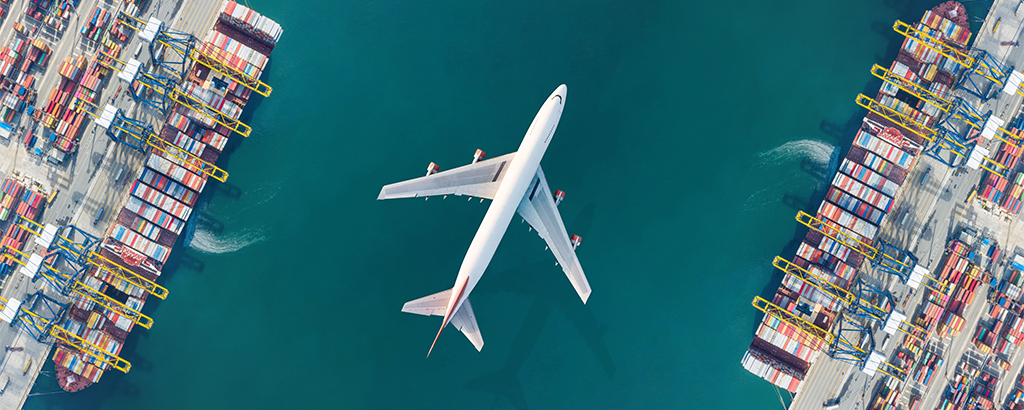
The fastest way to ship home goods from China to Europe is air freight or express courier. However:
- Air Freight is optimal for mid-sized cargo that must arrive within a week.
- Courier/Express works best for lightweight, urgent samples or high-value parcels.
For large bulk shipments, businesses often balance speed with cost by using rail freight, which cuts transit by half compared to sea.
8. How Long Do Different Routes Take?
Transit time depends on both origin and method:
| Origin City (China) | Destination (Europe) | Air | Rail | Sea |
|---|---|---|---|---|
| Shenzhen | Rotterdam | 4–6 days | 16–18 days | 32–38 days |
| Shanghai | Hamburg | 3–5 days | 15–17 days | 30–35 days |
| Guangzhou | Antwerp | 5–7 days | 18–20 days | 34–40 days |
| Chengdu | Warsaw | 4–6 days | 15–17 days | 33–37 days |
9. What Are the Pros and Cons of Each Method?
| Method | Pros | Cons |
|---|---|---|
| Air Freight | Fastest for bulk shipments, reliable | Expensive, strict size limits |
| Sea Freight | Cheapest per unit, huge capacity | Slow, risk of delays |
| Rail Freight | Balanced cost and speed | Limited routes |
| Courier | Very fast, door-to-door | Very costly for volume |
Each method has unique benefits depending on the urgency and nature of goods.
10. How to Minimize Shipping Risks?
Home goods are often fragile and need care. Risk-reduction strategies include:
- Choosing experienced freight forwarders
- Using cargo insurance
- Opting for bonded warehouses in Europe
- Adding real-time tracking for visibility
- Using reinforced packaging and pallets
These steps minimize damage, theft, or delays.
Conclusion
The fastest way to ship home goods from China to Europe depends on shipment size and urgency. Air freight and courier offer speed, while sea and rail balance costs with efficiency. With proper documentation, packaging, and customs planning, businesses can avoid costly delays.
By partnering with a trusted freight forwarder, importers gain access to expert guidance, reduced risks, and streamlined shipping, ensuring home goods reach European markets quickly and safely.
FAQ
1. Can fragile furniture be shipped by rail freight safely?
Yes, with reinforced packaging, padding, and palletization, fragile home goods can be shipped by rail without major risks of breakage.
2. How can small e-commerce businesses manage customs for home goods?
Working with a freight forwarder that offers customs brokerage services ensures smooth clearance, reducing risks of delays for SMEs shipping to Europe.
3. Do seasonal shipping trends affect home goods logistics?
Yes, during peak seasons like Christmas or Chinese New Year, demand rises, leading to higher rates and possible delays. Early booking is advised.
4. Can home appliances with lithium batteries be shipped by air?
Yes, but they must meet IATA Dangerous Goods Regulations, carry UN38.3 certification, and use special packaging to prevent fire or short circuits.
5. What role do bonded warehouses play for importers in Europe?
Bonded warehouses allow goods to be stored duty-free until cleared for final distribution, improving cash flow and logistics flexibility for importers.