

- By carlie tj
- October 27, 2025
- Logistics Guide
For importers, managing toys sea freight China to Europe is a crucial part of keeping supply chains cost-efficient and reliable. Working with experienced partners like China Top Freight helps businesses overcome long transit times, customs complexity, and seasonal demand surges. With the right planning, toy shipments reach retailers and distributors smoothly, ensuring steady inventory flow across Europe.
1. Why Choose Sea Freight for Toy Shipments?
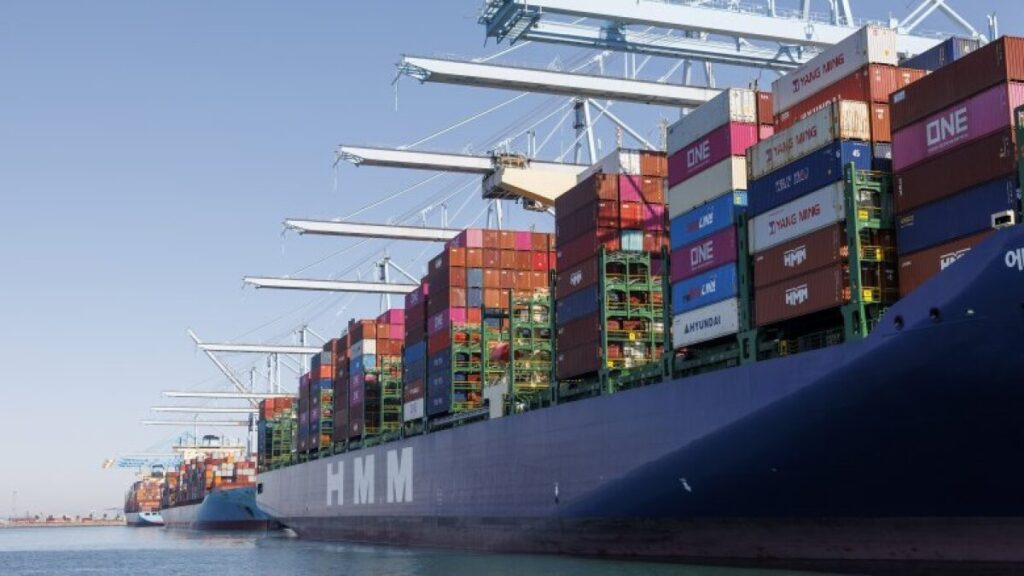
Sea freight remains the most practical option for toys due to bulk size, high volumes, and affordable shipping rates. While air freight is faster, sea freight offers unmatched scalability for importers supplying European markets.
2. How Long Does It Take to Ship Toys by Sea from China to Europe?
Typical transit times range from 30–40 days, depending on origin and destination ports. Shipments to Rotterdam, Hamburg, or Antwerp are usually faster, while those routed to Southern Europe may take longer.
3. What Are the Costs of Toys Sea Freight?
Costs depend on container type, cargo volume, and seasonality. Full Container Load (FCL) is ideal for large toy shipments, while Less than Container Load (LCL) is suited for smaller orders.
Table 1: Shipping Method Comparison
| Method | Cost Estimate | Transit Time | Best For | Key Considerations |
|---|---|---|---|---|
| Sea Freight | $1,200–$2,500 per container | 30–40 days | Bulk toys, large volumes | Slower, customs complexity |
| Air Freight | $6–$10 per KG | 5–10 days | Urgent toys, samples | Higher costs, weight limits |
| Rail Freight | $2,500–$4,000 per container | 18–25 days | Moderate volumes | Limited Europe connections |
4. Which Types of Toys Are Commonly Shipped?
- Plastic and electronic toys
- Dolls, puzzles, and board games
- Ride-on toys and bicycles
- Seasonal toys (Christmas specials, outdoor playsets)
Sea freight’s container capacity makes it possible to ship varied SKUs together, optimizing logistics.
5. What Customs Documents Are Needed for Toy Shipments?
Accurate paperwork ensures customs clearance across Europe. Missing details can delay toy distribution.
Table 2: Customs Documents Checklist
| Document | Purpose |
|---|---|
| Commercial Invoice | Declares toy values and HS codes |
| Packing List | Confirms itemized packaging details |
| Bill of Lading | Shipping contract and proof of transport |
| CE Certificate | Confirms compliance with EU safety standards |
| Customs Declaration | Import filing with European authorities |
| Product Test Reports | For electronic or child-safety regulated toys |
6. Should Businesses Use Air Freight for Toys?
Air freight is suitable for urgent toy deliveries, such as meeting holiday demand or supplying limited-edition launches. However, for everyday bulk imports, sea freight remains the most practical choice.
Partnering with an experienced logistics provider ensures smooth toys sea freight China to Europe by handling customs, optimizing costs, and guaranteeing timely deliveries.
Let us help you streamline your supply chain with competitive rates, professional customs support, and guaranteed transit schedules. Contact us today to secure reliable toys sea freight from China to Europe and keep your business ahead.
7.outweigh higher logistics costs. Conclusion
In conclusion, toys sea freight China to Europe is the most reliable and economical solution for large-scale toy imports. While transit times are longer, costs remain competitive and container flexibility allows for bulk shipments. To succeed, importers must comply with EU toy safety standards, prepare accurate documentation, and work with a skilled forwarder. Ultimately, sea freight ensures steady supply chains, enabling businesses to meet customer demand while keeping logistics costs under control.
8. Request a Quote
China Top Freight offers:
- ✅ Origin and Destination Countries
- ✅ Cargo Type and Volume
- ✅ Preferred Transport Method (Air, Sea, Rail, Road)
- ✅ Delivery Timeline
- ✅ Special Handling Requirements (if any)
9. FAQ
Q1: How long does sea freight take for toys from China to Europe?
The journey usually takes 30–40 days, depending on departure and arrival ports and seasonal demand conditions.
Q2: What documents are essential for toy imports into Europe?
Commercial invoice, packing list, bill of lading, CE certificate, and product test reports ensure customs clearance and compliance.
Q3: Which ports are most efficient for toy shipments into Europe?
Rotterdam, Hamburg, and Antwerp are the primary hubs offering fast distribution across Western and Northern Europe.
Q4: How do EU safety standards affect toy imports?
All toys must comply with the EU Toy Safety Directive, requiring CE marking and relevant test certifications before market release.
Q5: Can small toy shipments be sent by sea freight?
Yes, smaller loads can be shipped as LCL, though importers should evaluate whether container consolidation optimizes cost and delivery.