

- By ayla tj
- October 27, 2025
- Logistics Guide
Importers of consumer tech, gadgets, and electronic accessories face unique challenges. Finding the best way to ship electronics from China to USA means balancing speed, cost, and customs compliance. Moreover, the shipping method chosen will directly impact profit margins, delivery schedules, and customer satisfaction. This guide explores transit times, costs, documentation, and strategies to ensure safe and affordable deliveries.

1. Why Shipping Electronics Requires Extra Care
Unlike general cargo, electronics are fragile, high-value, and often restricted by specific regulations. Importers must handle:
- Lithium battery restrictions on laptops, phones, and gadgets.
- Fragile packaging requirements to prevent damage in transit.
- Strict customs documentation for HS codes and product safety certifications.
- Fast-moving demand cycles for consumer electronics.
Therefore, importers must carefully select their logistics strategy to avoid delays and minimize risks.
2. What Shipping Options Are Available for Electronics?
Several modes are available, each with advantages.
| Method | Transit Time | Cost | Best For | Challenges |
|---|---|---|---|---|
| Air Freight | 5–9 days | High | Urgent electronics, fragile cargo | Costly for bulk orders |
| Sea Freight (FCL/LCL) | 30–40 days | Low | Large shipments, bulk stock | Long lead times |
| Courier/Express | 3–5 days | Very High | Samples, e-commerce parcels | High cost, size limits |
| Rail Freight (via Europe) | 20–25 days | Medium | Faster than sea, cheaper than air | Limited direct routes |
3. How Long Does It Take to Ship Electronics?
Transit times vary by origin port and chosen method.
| Origin Port (China) | Destination (USA) | Air Freight | Sea Freight |
|---|---|---|---|
| Shenzhen | Los Angeles | 5–7 days | 18–22 days |
| Shanghai | New York | 6–9 days | 30–35 days |
| Ningbo | Houston | 6–8 days | 28–32 days |
| Guangzhou | Miami | 6–9 days | 33–40 days |
For time-sensitive cargo, importers often prefer air freight into West Coast hubs like Los Angeles, then truck cargo inland.
4. How Much Does It Cost?
Costs depend on method, weight, and volume.
| Method | Cost Range | Best For |
|---|---|---|
| Air Freight (per kg) | $5–$10 | Urgent, high-value goods |
| Express Courier (per kg) | $18–$25 | Small parcels, samples |
| Sea Freight (20ft container) | $3,800–$4,500 | Bulk imports |
| Sea Freight (40ft container) | $6,000–$7,500 | Large orders |
| LCL (per CBM) | $120–$150 | Small to medium shipments |
Are you ready to book?
Access live instant freight quotes
5. What Customs Documents Are Needed?
| Document | Purpose |
|---|---|
| Commercial Invoice | Declares value and HS codes |
| Packing List | Lists cartons, weights, dimensions |
| Bill of Lading / Air Waybill | Confirms transport |
| Import Declaration (CBP) | Required for customs entry |
| FCC Certificate | Ensures compliance with US safety standards |
| MSDS (for batteries) | Required for hazardous materials |
6. What Are the Challenges with Electronics Shipping?
Key issues include:
- Lithium batteries: classified as dangerous goods by IATA.
- Fragility: requires specialized packaging with cushioning.
- Counterfeiting risks: customs may scrutinize brands for authenticity.
- Tariffs and duties: electronics often fall under strict HS codes.
Therefore, choosing a reliable freight forwarder with electronics experience is vital.
7. Is Air Freight the Best Way?
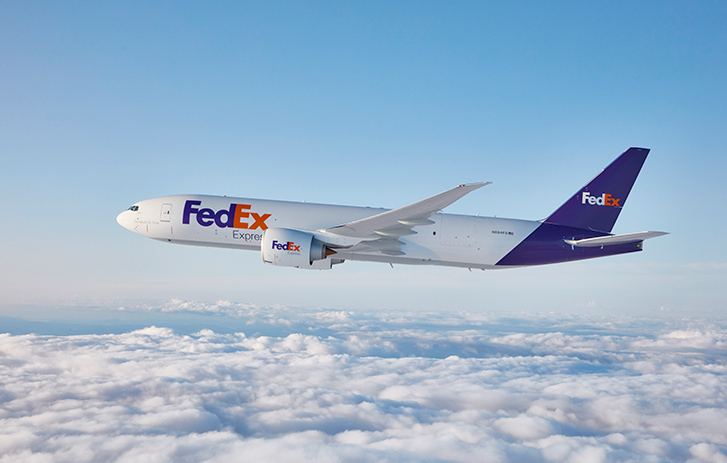
Air freight is the preferred choice when:
- Launching new electronics with short timelines.
- Shipping high-value or fragile gadgets.
- Maintaining competitive delivery promises.
Pros: speed, reliability, security.
Cons: expensive, limited cargo size.
For urgent gadgets like smartphones, air freight is often the best way to ship electronics from China to USA.
8. Is Sea Freight More Cost-Effective?
Sea freight dominates bulk imports:
- FCL (Full Container Load): most cost-effective per unit.
- LCL (Less than Container Load): ideal for smaller shipments.
- Transit time: 30–40 days depending on port.
| Option | Benefits | Downsides |
|---|---|---|
| FCL | Cheaper per unit, less handling | Requires large volume |
| LCL | Flexible, cost shared | Risk of delays, more handling |
9. Should You Consider Express Courier?
Couriers like DHL, FedEx, and UPS are useful for:
- Samples for product development.
- Urgent e-commerce parcels with small weight.
- Door-to-door convenience.
However, costs are extremely high for bulk shipments. Courier is practical only for light, urgent shipments.
10. How Do Incoterms Affect Electronics Imports?
Incoterms define buyer/seller responsibilities.
- FOB (Free on Board): buyer arranges shipping after loading.
- CIF (Cost, Insurance, Freight): seller covers cost to US port.
- DDP (Delivered Duty Paid): seller covers all, simpler but higher price.
For new importers, DDP offers simplicity. For experienced ones, FOB provides cost control.
Conclusion
The best way to ship electronics from China to USA depends on balancing urgency, volume, and cost. Air freight is ideal for urgent, high-value shipments, while sea freight offers unmatched cost savings for bulk cargo. Courier services work best for samples and e-commerce, while rail freight provides a middle option via Europe.
By preparing proper documentation, complying with customs, and choosing the right Incoterms, importers can streamline logistics. Partnering with an experienced freight forwarder ensures safe, affordable, and timely deliveries of electronic products.
FAQ
1. Can I ship electronics with lithium batteries by air?
Yes, but they must follow IATA dangerous goods regulations. Airlines limit quantities and require MSDS and secure packaging for batteries.
2. What is the cheapest way to ship electronics in bulk?
Sea freight, especially FCL, is the cheapest for bulk shipments. Though slower, it offers the lowest per-unit shipping cost.
3. Do I need an FCC certificate for all electronics?
Yes, most electronics require FCC compliance to enter the US market. Products without certification risk rejection at customs.
4. Which US ports handle electronics best?
Los Angeles, Long Beach, New York, and Houston are top entry ports for electronics, offering efficient customs and logistics networks.
5. Can I mix air and sea freight for one shipment?
Yes, many importers split shipments: air freight for urgent launches and sea freight for bulk replenishment, balancing speed and cost.