

- By carlie tj
- October 28, 2025
- Logistics Guide
For small and medium-sized businesses importing to Europe, choosing the right logistics strategy can be overwhelming. With China Top Freight, companies benefit from trusted LCL shipping from China to Netherlands, balancing affordability, reliability, and customs efficiency. This method allows importers to move goods smoothly without the burden of full container costs.
1. What Is Trusted LCL Shipping from China to Netherlands?
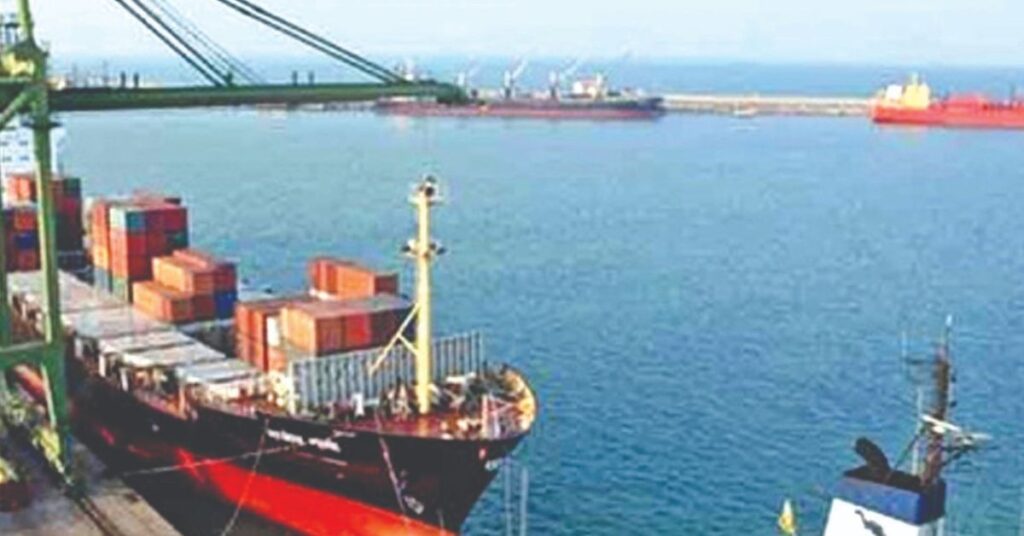
Less than Container Load (LCL) means your cargo shares space with other shipments in a container. This reduces costs while maintaining access to sea freight reliability. For businesses shipping between China and the Netherlands, LCL is ideal for smaller shipments, e-commerce inventory replenishment, and diversified trade strategies.
2. Why Choose LCL Over FCL for Netherlands Imports?
Although FCL (Full Container Load) works best for bulk shipments, many importers only need partial space. Trusted LCL shipping allows them to:
- Pay only for used cubic meters (CBM)
- Enjoy frequent sailings to Rotterdam and Amsterdam
- Reduce upfront logistics investment
- Maintain flexibility for smaller or seasonal orders
3. How Does LCL Compare with Air and Rail Freight?
Each shipping option serves different needs.
| Mode | Transit Time | Cost per CBM | Best For |
|---|---|---|---|
| Air Freight | 5–8 days | $400–$700 | Urgent, high-value cargo |
| Rail Freight | 18–22 days | $150–$200 | Time-sensitive, inland delivery to EU |
| Sea LCL | 28–35 days | $65–$110 | Low-cost, non-urgent goods |
4. How Much Does Trusted LCL Shipping Cost?
Rates depend on cargo volume, weight, and handling charges at origin and destination.
| Cargo Volume | Average Rate (USD/CBM) | Handling Fees (Approx.) |
|---|---|---|
| 1–3 CBM | $85 – $110 | $100–$150 per shipment |
| 4–8 CBM | $70 – $95 | $120–$180 per shipment |
| 9–14 CBM | $65 – $85 | $150–$200 per shipment |
Note: Costs fluctuate during peak seasons like Christmas or Chinese New Year.
5. What Customs Documents Are Required in the Netherlands?
To prevent delays, importers must prepare all required paperwork in advance.
Customs checklist:
- Commercial Invoice
- Packing List
- Bill of Lading (House and Master BL)
- Importer’s EORI number (mandatory for EU)
- Certificates (CE marking for electronics, food safety docs, etc.)
- Certificate of Origin (if applicable)
6. Should E-commerce Businesses Use LCL?
Yes, trusted LCL shipping from China to Netherlands helps e-commerce sellers manage inventory cost-effectively. With central EU distribution from the Netherlands, businesses can reach Germany, Belgium, and France within days.
Reliable logistics ensures that your supply chain remains cost-efficient and predictable. At China Top Freight, we specialize in trusted LCL shipping from China to Netherlands, offering competitive rates, professional customs support, and smooth delivery across Europe. Contact us today to request a personalized quote for your shipments.
7.Conclusion
Trusted LCL shipping from China to Netherlands is a practical and affordable logistics solution for SMEs and e-commerce businesses. Although slower than air, it provides excellent value for non-urgent goods. With proper planning, reliable forwarders, and accurate customs documentation, LCL remains one of the most dependable ways to import into the Netherlands and beyond.
8. Request a Quote
China Top Freight offers:
- ✅ Origin and Destination Countries
- ✅ Cargo Type and Volume
- ✅ Preferred Transport Method (Air, Sea, Rail, Road)
- ✅ Delivery Timeline
- ✅ Special Handling Requirements (if any)
💬9. FAQ
1. How are LCL rates calculated for shipments to the Netherlands?
LCL rates depend on CBM, cargo weight, and port handling charges. Importers should request detailed quotes from freight forwarders for transparency.
2. Can perishable goods be shipped via LCL?
Perishable goods require refrigerated containers, which are less common for LCL. Importers may need specialized reefer services or FCL options.
3. What role does packaging play in LCL shipping?
Proper packaging is essential to prevent cargo damage in shared containers. Strong pallets, crates, and protective wrapping are recommended.
4. Do customs inspections delay LCL shipments in Rotterdam?
Inspections can add several days to transit time. Providing accurate documentation reduces the likelihood of delays or penalties.
5. Are there hidden costs when using LCL shipping?
Importers should account for terminal handling, customs clearance, VAT, and delivery order fees in addition to freight rates.