

- By ayla tj
- October 28, 2025
- Logistics Guide
Transporting machinery freight China to UK requires careful planning, as these shipments are often heavy, oversized, and highly regulated. Importers must balance costs, delivery times, and compliance with customs requirements to avoid delays. This guide explains shipping methods, pricing, transit times, and strategies to streamline machinery imports from China into the UK.

1. What Are the Main Options for Machinery Freight from China to UK?
The primary shipping methods are sea freight, air freight, rail freight, and courier services. Each is suitable for different machinery types.
| Shipping Method | Transit Time | Cost Level | Best For | Pros | Cons |
|---|---|---|---|---|---|
| Sea Freight (FCL/LCL) | 30–40 days | Low | Heavy/oversized machinery | Cheapest, high volume | Long duration |
| Air Freight | 5–10 days | High | Urgent spare parts | Fastest, secure | Very expensive |
| Rail Freight | 18–25 days | Medium | Mid-sized machinery | Balanced time & cost | Limited routes |
| Courier | 3–7 days | High | Small machine parts | Door-to-door | High price per kg |
2. Why Is Sea Freight the Most Common Option for Machinery?
Sea freight is the preferred solution for machinery shipping because of its capacity to handle heavy, bulky, and oversized cargo.
- FCL (Full Container Load): Best for entire machines or production lines.
- LCL (Less than Container Load): Cost-effective for smaller machinery parts.
- Breakbulk shipping is also available for equipment too large for standard containers.
3. How Much Does Machinery Freight from China to UK Cost?
Pricing depends on shipment volume, weight, and method of transport.
| Shipment Type | Cost Estimate (USD) | Notes |
|---|---|---|
| FCL 20ft Container | $2,300–$3,200 | Suitable for small industrial machines |
| FCL 40ft Container | $3,500–$4,500 | For larger equipment |
| LCL (per CBM) | $130–$160 | Economical for partial loads |
| Air Freight (per kg) | $6–$9 | Suitable for urgent machine parts |
| Courier (per kg) | $10–$15 | Best for small spare parts |
Long-tail keywords included: heavy machinery shipping costs, container freight charges, air freight spare parts, LCL machinery shipments, FCL container rates.
What are you waiting for?
Contact chinatopfreight for a fast, free quote.
Are you ready to book?
Access live instant freight quotes
4. What Types of Machinery Can Be Shipped from China to UK?
Machinery categories frequently imported include:
- Construction machinery: excavators, loaders, cranes.
- Industrial equipment: CNC machines, textile machinery.
- Agricultural machinery: tractors, harvesters.
- Spare parts: motors, gears, pumps.
Semantic keywords: industrial supply chain, import/export machinery, logistics solutions.
5. How Long Does Machinery Freight from China to UK Take?
| Method | Transit Time |
|---|---|
| Sea Freight | 30–40 days |
| Rail Freight | 18–25 days |
| Air Freight | 5–10 days |
| Courier | 3–7 days |
Delivery times also depend on origin ports (Shanghai, Ningbo, Shenzhen) and UK entry ports (Felixstowe, Southampton, London Gateway).
6. What Customs Documents Are Needed for Machinery Freight?
| Document | Purpose |
|---|---|
| Commercial Invoice | Lists value and product details |
| Packing List | Dimensions and weight |
| Bill of Lading / Air Waybill | Contract for transport |
| Certificate of Origin | Proof of manufacture country |
| CE Certification | Required for many machines |
| Import License | For regulated equipment |
Machinery must comply with UK safety and CE marking standards, especially electrical and industrial equipment.
7. Should You Use FCL or LCL for Machinery?
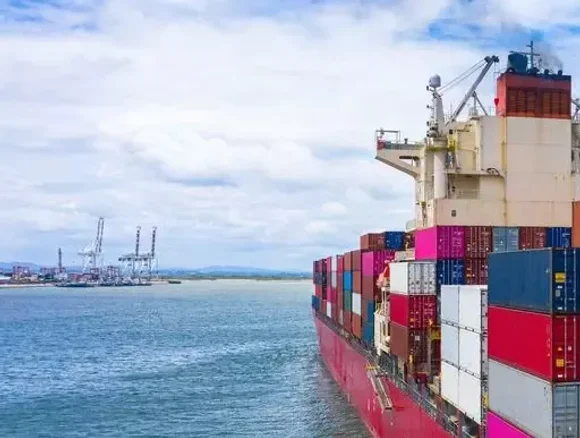
- FCL: Best for oversized equipment, reduces handling risks.
- LCL: Suitable for smaller shipments, though goods may be handled more often.
Therefore, the choice depends on cargo volume and value.
8. How Do Rail Freight Options Compare for Machinery?
Rail freight via the China–Europe route offers shorter delivery (18–25 days) and lower costs than air. However, it is less suitable for very large or hazardous machinery.
9. What Are the Pros and Cons of Shipping Modes?
| Mode | Pros | Cons |
|---|---|---|
| Sea | Cheapest, bulk capacity | Long lead time |
| Air | Fastest, secure | High cost |
| Rail | Balanced cost/time | Limited coverage |
| Courier | Convenient | Not for large machinery |
10. What Challenges Arise in Machinery Freight?
- Customs clearance delays if CE certification is missing.
- Heavy-lift handling requirements at ports.
- High demurrage charges during delays.
- Seasonal freight rate fluctuations.
These issues highlight the importance of using a reliable freight forwarder experienced in handling industrial shipments.
Conclusion
In summary, machinery freight China to UK can be managed effectively through sea, rail, air, or courier services, depending on shipment size, urgency, and budget. Sea freight remains the most cost-effective for heavy equipment, while air and courier options are ideal for urgent spare parts. By preparing customs documents accurately and working with an experienced freight forwarder, businesses can save costs, avoid delays, and ensure machinery reaches the UK safely.
FAQ
Q1: Do all machines shipped from China need CE certification for the UK?
Yes, most industrial and electrical machines require CE certification to prove compliance with UK safety regulations before clearance.
Q2: Can oversized machinery be shipped without containers?
Yes, breakbulk shipping allows oversized machines to be secured on special vessels rather than inside containers.
Q3: How can machinery be protected against corrosion during sea freight?
Use anti-rust coatings, vacuum packaging, or moisture-resistant crates to prevent damage during long transit at sea.
Q4: Are import duties the same for all types of machinery?
No, duty rates vary by HS code. Importers should classify machinery correctly to avoid overpayment or fines.
Q5: Can machinery spare parts be shipped by air freight?
Yes, smaller spare parts are often shipped by air to reduce downtime in industries requiring urgent replacements.