

- By kelly
- October 28, 2025
- Logistics Guide
Trusted LCL Shipping from Shenzhen to Spain: Complete Import Guide
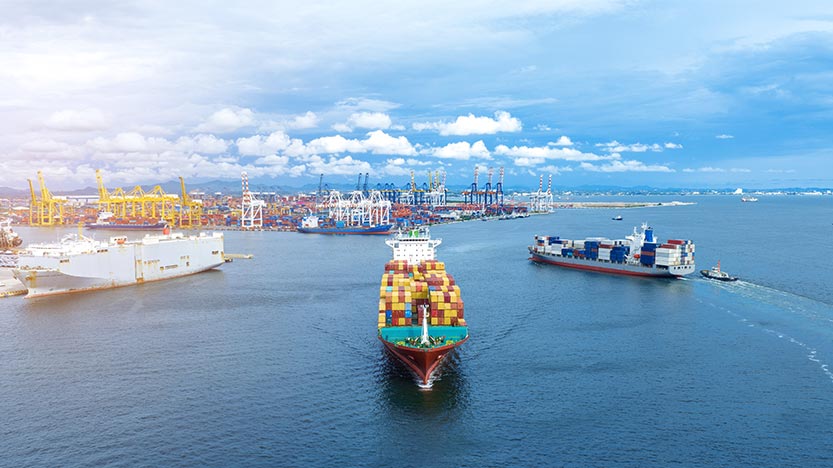
When shipping small or medium cargo volumes, businesses often rely on trusted LCL shipping from Shenzhen to Spain to cut costs and maintain flexibility. Instead of paying for a full container, shippers only pay for the space used, making LCL (Less than Container Load) one of the most practical options for importers. However, proper planning is critical—documentation errors, unexpected delays, or hidden costs can impact your supply chain. This guide covers everything importers need to know about reliable LCL freight solutions, from costs and customs clearance to transit times and practical tips.
1. What Is LCL Shipping and Why Choose It?
LCL shipping consolidates cargo from multiple shippers into a single container. This method is ideal when:
- Shipment volume is less than 15 cubic meters.
- Air freight is too expensive for the cargo value.
- Importers need a cost-efficient, flexible option.
By using LCL, importers save money while still accessing regular ocean routes from Shenzhen to Spain’s major ports such as Valencia, Barcelona, and Bilbao.
2. How Does Trusted LCL Shipping from Shenzhen to Spain Work?
The LCL process includes:
- Cargo collection in Shenzhen.
- Consolidation at the freight forwarder’s warehouse.
- Loading into a shared container.
- Ocean transport to Spain.
- Deconsolidation at the Spanish port.
- Final delivery to the consignee.
This multi-step process requires strict documentation to avoid customs delays.
3. What Are the Costs for LCL Shipping?

Costs vary based on cargo size, weight, and port charges.
LCL Shipping Cost Breakdown
| Cost Factor | Description | Estimated Range |
|---|---|---|
| Ocean Freight | Charged per CBM or ton | $35–$55/CBM |
| Origin Charges | Shenzhen port handling | $100–$150 |
| Destination Charges | Spain terminal fees | €120–€200 |
| Customs Brokerage | Clearance in Spain | €100–€150 |
| Delivery | Local transport | €50–€150 |
4. How Long Does LCL Shipping Take from Shenzhen to Spain?
Transit times depend on the shipping method:
Transit Time Comparison
| Mode | Transit Time | Best For |
|---|---|---|
| LCL Sea Freight | 30–40 days | Budget cargo under 15 CBM |
| FCL Sea Freight | 28–35 days | Larger shipments |
| Air Freight | 5–7 days | Urgent, high-value cargo |
| Rail Freight (via Europe) | 22–28 days | Balanced speed & cost |
5. What Documents Are Needed for Smooth Customs Clearance?
Accurate paperwork ensures faster release of goods at Spanish ports.
Customs Documents Checklist
| Document | Required | Purpose |
|---|---|---|
| Commercial Invoice | Yes | Declares value and HS codes |
| Packing List | Yes | Itemized cargo details |
| Bill of Lading | Yes | Proof of ocean transport |
| Certificate of Origin | Conditional | Reduces tariffs under trade agreements |
| Import License | Conditional | For restricted items |
| EORI Number | Yes | Required for EU customs filing |
6. Why Is Trusted LCL Shipping Essential for SMEs?
Small and medium enterprises often import lower volumes. Trusted LCL shipping helps them:
- Reduce upfront shipping costs.
- Avoid delays by relying on experienced freight forwarders.
- Manage inventory with flexible shipment sizes.
- Expand supply chains without committing to full containers.

7. What Are the Pros and Cons of LCL vs FCL Shipping?
LCL vs FCL Comparison
| Factor | LCL | FCL |
|---|---|---|
| Cost | Cheaper for <15 CBM | Better value for >15 CBM |
| Customs Clearance | Slower (shared container) | Faster (single consignee) |
| Transit Reliability | May face delays | More predictable |
| Risk of Damage | Higher (mixed cargo) | Lower (exclusive use) |
8. What Challenges Occur in LCL Shipping?
Although economical, LCL comes with risks:
- Delays in consolidation or deconsolidation.
- Potential damage from mixed cargo.
- Higher customs inspection likelihood.
- Additional terminal handling charges (THC).
Therefore, importers must work with a reliable freight forwarder.
9. How to Ensure Faster Customs Clearance in Spain?
- Verify HS codes and EORI number before shipment.
- Submit all documents electronically in advance.
- Choose FCL for sensitive goods to reduce inspection risk.
- Partner with a forwarder offering direct Spain routes.
10. Should You Consider Air or Rail Instead of LCL?
- Air Freight: Faster but costly. Best for urgent shipments.
- Rail Freight: Slightly faster than sea, competitive for medium-sized loads.
- Sea LCL: Best for low-budget, non-urgent cargo.
📦Get a Free Quote
If you’re looking for trusted LCL shipping from Shenzhen to Spain, our logistics experts handle everything from consolidation to customs clearance. We ensure smooth delivery, transparent pricing, and faster transit times. Contact us today for a customized quote.
❓ Frequently Asked Questions
Q1: How much does LCL shipping from Shenzhen to Spain cost?
On average, $35–$55 per CBM plus destination charges in Spain. Costs vary by weight, cargo type, and port.
Q2: How long does LCL take from Shenzhen to Spain?
Typically, 30–40 days by sea freight, depending on consolidation and port congestion at Barcelona or Valencia.
Q3: Is LCL better than FCL for small businesses?
Yes, LCL saves costs for shipments under 15 CBM. However, FCL offers faster clearance and reduced risk of delays.
Q4: What documents are mandatory for Spain imports?
Commercial invoice, packing list, and bill of lading are mandatory. Some goods may also require import licenses or certificates.
Q5: Can I ship furniture or electronics via LCL?
Yes, both categories are common in LCL shipments. Proper packaging is required to prevent damage in shared containers.
Conclusion
Choosing trusted LCL shipping from Shenzhen to Spain provides businesses with cost savings, flexibility, and access to reliable sea routes. Although slower than air or FCL, LCL is ideal for smaller shipments where budget is a priority. By preparing documents carefully, working with experienced forwarders, and planning transit schedules, importers can ensure efficient supply chain operations.