

- By kelly
- October 28, 2025
- Logistics Guide
Reliable LCL Shipping from Shenzhen to Germany: A Complete Guide
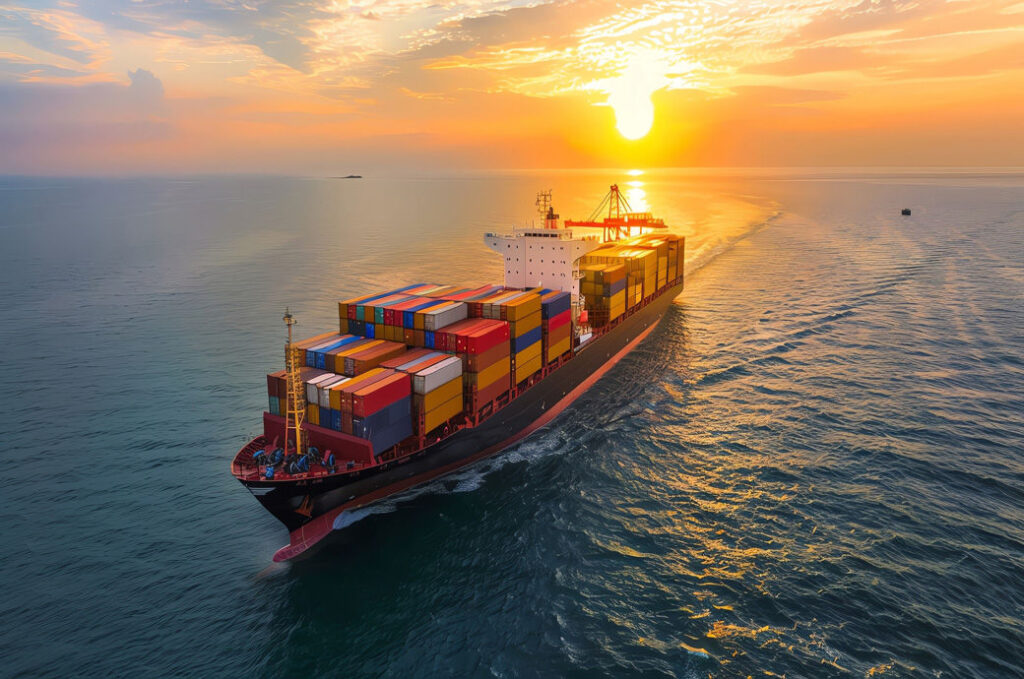
Shipping goods internationally can be complex, especially when businesses do not have enough volume to fill an entire container. That’s where reliable LCL shipping from Shenzhen to Germany becomes a cost-effective and efficient solution. Companies of all sizes can benefit from reduced costs, faster transit coordination, and simplified customs procedures when working with the right freight forwarder.
1. What Is LCL Shipping and Why Choose It for Shenzhen to Germany?
Less-than-Container Load (LCL) shipping allows multiple shippers to share space in a single container. This option is ideal for small to medium-sized shipments that don’t require a full 20ft or 40ft container.
- Cost savings: You only pay for the space your cargo occupies.
- Flexibility: Suitable for businesses shipping smaller, regular consignments.
- Accessibility: Multiple sailing schedules from Shenzhen to major German ports like Hamburg and Bremerhaven.
2. How Much Does Reliable LCL Shipping from Shenzhen to Germany Cost?
Shipping costs vary depending on cargo volume, weight, type of goods, and chosen services. However, LCL is usually cheaper than FCL for shipments under 12–14 CBM.
| Factor | Impact on Cost | Example Estimate (USD) |
|---|---|---|
| Volume (CBM) | Higher CBM → Higher cost | $35–$55 per CBM |
| Weight | Heavier cargo may add surcharges | +$5–$10 per 100kg |
| Port Charges | Different handling fees at German ports | $100–$200 per shipment |
| Customs & Documentation | Clearance, duties, taxes | Varies by product type |
3. How Long Does It Take to Ship LCL Cargo from Shenzhen to Germany?
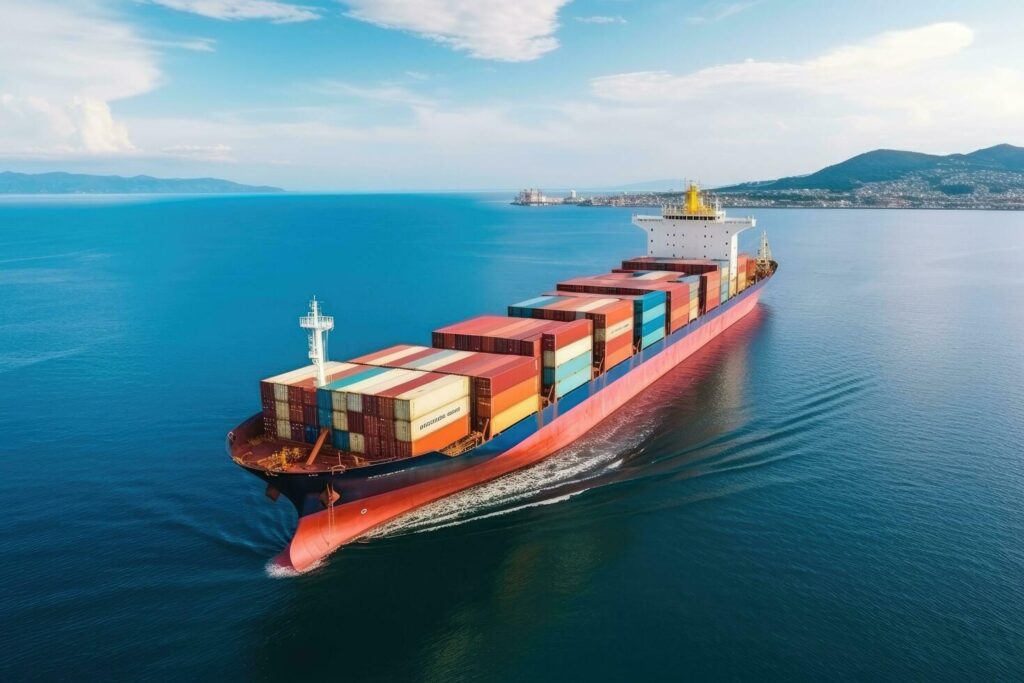
Transit times can range between 28–40 days, depending on the shipping line, schedule, and customs processes.
| Route | Average Transit Time | Notes |
|---|---|---|
| Shenzhen – Hamburg | 30–35 days | One of the fastest routes |
| Shenzhen – Bremerhaven | 32–38 days | Slightly longer due to port congestion |
| Shenzhen – Rotterdam + Truck to Germany | 35–40 days | Flexible option with intermodal transport |
4. What Documents Are Required for Customs Clearance in Germany?
Customs clearance is one of the most critical aspects of reliable LCL shipping from Shenzhen to Germany. Missing or incorrect paperwork can lead to delays or penalties.
| Document Required | Purpose |
|---|---|
| Commercial Invoice | Declares product value and description |
| Packing List | Details quantity, weight, and packaging |
| Bill of Lading (B/L) | Shipping contract and cargo ownership |
| Import License (if needed) | Specific goods like chemicals, food |
| Customs Declaration | Required for EU import clearance |
5. What Are the Pros and Cons of LCL vs Other Shipping Modes?
| Mode | Cost Efficiency | Transit Time | Suitability | Cons |
|---|---|---|---|---|
| LCL | High for small loads | 28–40 days | SMEs, small batches | Possible delays from consolidation |
| FCL | Better for large loads | 25–35 days | Large shippers | Higher upfront cost |
| Air Freight | Fastest (3–7 days) | Very High | Urgent, high-value goods | Expensive |
| Rail Freight | 16–22 days | Medium | Central Europe cargo | Limited capacity, higher than sea |
6. Why Shenzhen Is a Strategic Hub for Shipping to Germany
Shenzhen, located in the Pearl River Delta, is one of China’s largest export gateways. Its advantages include:
- Proximity to factories and suppliers in Guangdong province.
- Multiple shipping lines with regular routes to Northern Europe.
- Advanced port infrastructure ensuring faster cargo handling.
7. How to Reduce Delays in LCL Shipping from Shenzhen to Germany?
Delays can be minimized by:
- Preparing accurate customs documents ahead of time.
- Choosing a reliable freight forwarder with strong German partnerships.
- Consolidating goods properly to avoid customs inspections.
- Tracking shipments through digital logistics platforms.
8. Should You Use a Freight Forwarder for LCL Shipping?
Yes, because freight forwarders manage the complexity of international logistics. Their services include:
- Negotiating with carriers for the best shipping rates.
- Handling customs clearance in both Shenzhen and Germany.
- Offering door-to-door delivery services.
- Providing cargo insurance and tracking solutions.
9. Can LCL Shipping Handle Special Cargo to Germany?
Yes, but restrictions may apply depending on the product category:
- Electronics: Common, but may need CE certification.
- Food products: Require health certificates.
- Hazardous goods: Special permits and packaging required.
- Automotive parts: Subject to German import duties.
10. Customs Duties and Taxes for LCL Cargo in Germany
Germany follows EU customs regulations, meaning duties depend on product classification (HS Code). Businesses should be prepared for:
- Import VAT (19%) applied on CIF value (Cost + Insurance + Freight).
- Customs duties ranging from 2%–10% depending on product type.
- Brokerage fees if using a customs agent.
11. How Does LCL Compare with Courier and Express Shipping?
| Factor | Courier/Express (DHL, UPS, FedEx) | LCL Sea Freight |
|---|---|---|
| Cost | Very High for heavy shipments | Lower for medium shipments |
| Speed | 3–7 days | 28–40 days |
| Weight Limit | Limited (usually <100kg per box) | No strict limit |
| Customs | Handled by courier company | Requires broker/forwarder |
12. Common Mistakes to Avoid in LCL Shipping from Shenzhen to Germany
- Underestimating customs clearance times.
- Failing to calculate total landed cost (freight + duties + VAT).
- Not insuring cargo during transit.
- Choosing the cheapest forwarder without reliability checks.
📦Get a Free Quote
Ready to simplify your logistics? Partner with us for reliable LCL shipping from Shenzhen to Germany at competitive rates, faster handling, and stress-free customs clearance. Contact us today for a tailored quote and start shipping smarter.
❓ Frequently Asked Questions
1. How long does reliable LCL shipping from Shenzhen to Germany take?
It usually takes 28–40 days depending on the port of destination, carrier schedule, and customs clearance efficiency. Hamburg is typically the fastest option.
2. Is LCL shipping cheaper than air freight from Shenzhen to Germany?
Yes, LCL is significantly cheaper than air freight, especially for shipments larger than 1 CBM. Air freight is best only for urgent, lightweight goods.
3. What is the minimum volume required for LCL shipping?
Most freight forwarders accept shipments as small as 1 CBM. However, costs per CBM decrease as volume increases, making it more economical.
4. Do I need a customs broker in Germany for LCL shipments?
Yes, unless you are familiar with EU import procedures. A licensed customs broker ensures faster clearance and compliance with German regulations.
5. Can I ship fragile goods via LCL?
Yes, but ensure professional packing and labeling. LCL containers hold mixed cargo, so goods may be handled multiple times before delivery.
Conclusion
Choosing reliable LCL shipping from Shenzhen to Germany ensures small and medium businesses can access cost-effective logistics without compromising on transit time or customs compliance. By partnering with experienced freight forwarders, you minimize risks, streamline clearance, and gain a dependable supply chain link between China and Germany.