

- By ayla tj
- October 28, 2025
- Logistics Guide
When it comes to textiles sea freight China to UK, importers often face challenges such as fluctuating shipping costs, customs clearance delays, and long transit times. However, with the right logistics partner, businesses can enjoy cost-effective, reliable, and timely solutions that ensure smooth textile supply chain operations.

1. Why Choose Sea Freight for Textiles from China to the UK?
Sea freight is the most economical method for shipping textiles in bulk. While air freight offers speed, it is significantly more expensive. Moreover, sea freight allows importers to choose between FCL (Full Container Load) and LCL (Less than Container Load), depending on their shipment size.
2. What Is the Typical Transit Time for Textiles Sea Freight China to UK?
Transit time varies by port and route. On average:
| Route | Average Transit Time | Notes |
|---|---|---|
| Shanghai to Felixstowe | 28–32 days | Popular textile shipping route |
| Shenzhen to Southampton | 30–34 days | Efficient for southern UK distribution |
| Ningbo to London Gateway | 27–31 days | Fast customs clearance port |
Transit times may be influenced by seasonal demand, customs procedures, and carrier schedules.
3. How Much Does It Cost to Ship Textiles from China to the UK?
Costs depend on container size, cargo type, and incoterms. Typically:
| Container Type | Average Cost (USD) | Best Use Case |
|---|---|---|
| 20ft Container (FCL) | $2,000 – $3,200 | Small to medium textile loads |
| 40ft Container (FCL) | $3,500 – $5,000 | Large textile shipments |
| LCL (per CBM) | $50 – $80 | Smaller volumes, multiple suppliers |
Note: Prices fluctuate based on peak season, oil surcharges, and carrier availability.
What are you waiting for?
Contact chinatopfreight for a fast, free quote.
Are you ready to book?
Access live instant freight quotes
4. What Documents Are Needed for Importing Textiles into the UK?
Proper documentation prevents costly customs delays.
| Document | Purpose |
|---|---|
| Commercial Invoice | Declares textile value and details for customs |
| Packing List | Describes goods, weight, dimensions |
| Bill of Lading (B/L) | Contract between shipper and carrier |
| Certificate of Origin | Proof of manufacturing country |
| Import License (if needed) | Specific textile categories may require licensing |
| Customs Declaration | HMRC-required document for import clearance |
5. How Do Customs Clearance Procedures Work for Textiles?
Textiles are subject to specific import duties and VAT. Importers must:
- Submit documentation electronically to HMRC (Her Majesty’s Revenue and Customs).
- Pay applicable import duties (rates vary by textile category).
- Ensure compliance with UK standards such as labelling, safety, and fire regulations for fabrics.
6. Should Importers Use FCL or LCL for Textile Shipments?
Choosing between FCL and LCL depends on shipment size:
| Option | Pros | Cons |
|---|---|---|
| FCL | Lower cost per unit, less handling, faster | Requires larger volume commitment |
| LCL | Flexible, cost-sharing, suitable for SMEs | Longer handling, possible delays |
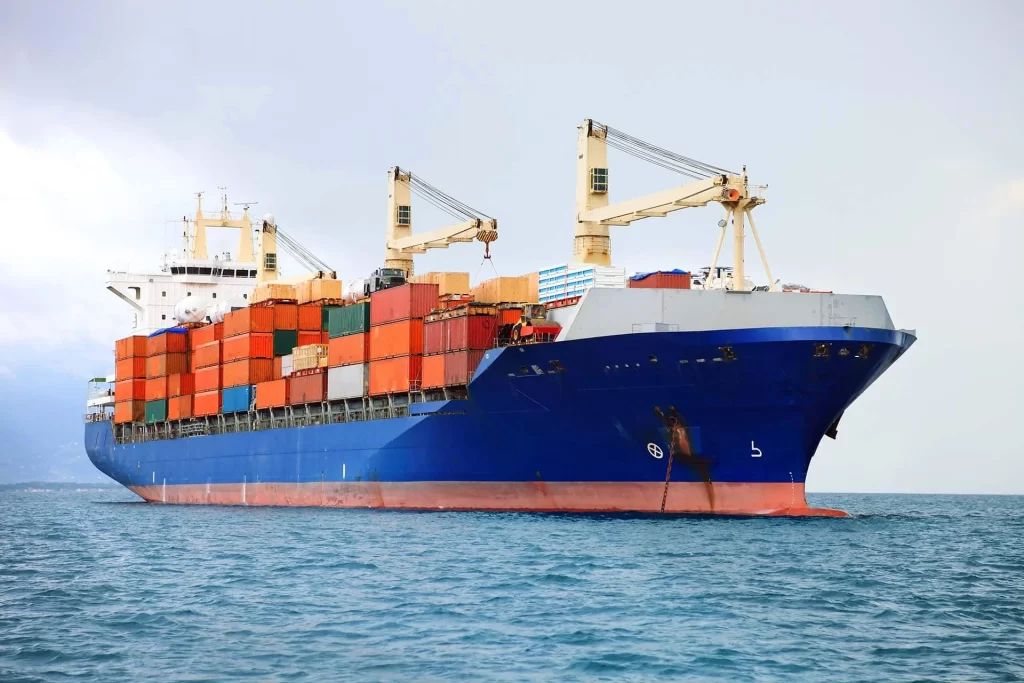
Sea freight remains the most reliable and affordable for large textile shipments, while air suits urgent deliveries, and rail balances speed and cost for inland China origins.
8. How Can Importers Reduce Shipping Costs for Textiles?
- Consolidate shipments to optimize container usage.
- Book early during peak seasons (before Chinese New Year or Golden Week).
- Partner with experienced freight forwarders for bulk discounts.
- Use door-to-door shipping services for predictable end-to-end costs.
9. What Are the Current Logistics Trends in Textile Shipping?
- Increasing use of eco-friendly shipping options.
- Digital freight platforms improving transparency.
- Rising demand for supply chain resilience due to global disruptions.
- Strategic use of multiple carriers to avoid congestion at major ports.
10. Can Door-to-Door Sea Freight Services Simplify Textile Imports?
Yes. With door-to-door shipping, freight forwarders handle every stage: pickup from Chinese factories, port clearance, ocean freight, UK customs clearance, and delivery to warehouse or store. This minimizes risk and reduces administrative workload.
Conclusion
Shipping textiles from China to the UK via sea freight offers the most cost-effective, scalable, and reliable solution for importers. Although transit times are longer than air or rail, the significant savings and container flexibility make sea freight the preferred choice for textile businesses. Therefore, by preparing proper documentation, choosing between FCL or LCL, and working with an experienced logistics provider, importers can ensure their textile supply chain remains smooth and profitable.
FAQ
Q1: Do textile imports from China to the UK require special certification?
Yes, certain textiles may require safety certifications or fire resistance labels, depending on product type and UK consumer regulations.
Q2: Can seasonal demand affect textile shipping rates?
Absolutely. Rates often increase before holidays such as Christmas and Chinese New Year, so booking earlier helps avoid peak surcharges.
Q3: Is insurance necessary for textile sea freight?
Yes, cargo insurance is strongly recommended to protect against loss, damage, or theft during long transit across multiple handling points.
Q4: What incoterms are best for textile imports?
CIF (Cost, Insurance & Freight) and FOB (Free On Board) are commonly used, offering clear responsibilities between supplier and importer.
Q5: Can textile shipments combine with other goods in LCL?
Q5: Can textile shipments combine with other goods in LCL?
Yes, textiles can be shipped with other products in LCL containers, but proper packaging is crucial to avoid contamination or damage.