

- By ayla tj
- October 29, 2025
- Logistics Guide
The shipping requirements for clothing from China to Europe are complex and often confusing for importers. Between customs regulations, labeling standards, and choosing the right freight method, businesses face many challenges. However, with proper planning and an understanding of documentation, tariffs, and logistics, companies can successfully streamline apparel imports and reduce costs.

What Documents Are Needed to Ship Clothing to Europe?
Documentation is the cornerstone of smooth customs clearance. Missing paperwork can result in delays, penalties, or even rejected shipments.
| Document | Purpose |
|---|---|
| Commercial Invoice | Declares product value and trade terms |
| Packing List | Lists item details, weight, and quantity |
| Bill of Lading/AWB | Proof of carriage contract |
| Certificate of Origin | Confirms manufacturing country |
| Import License (if any) | Needed for restricted textiles |
| HS Codes | Determines tariff classification and duty rate |
How Do EU Customs Rules Impact Clothing Imports?
The European Union applies strict customs and import rules for textiles. Compliance helps avoid costly mistakes.
- Duties and tariffs: Generally 8–12% depending on garment type.
- Value Added Tax (VAT): Varies by country (e.g., UK 20%, Germany 19%).
- Labeling laws: Fiber composition, origin, and care instructions must be included.
What Shipping Methods Are Best for Clothing?
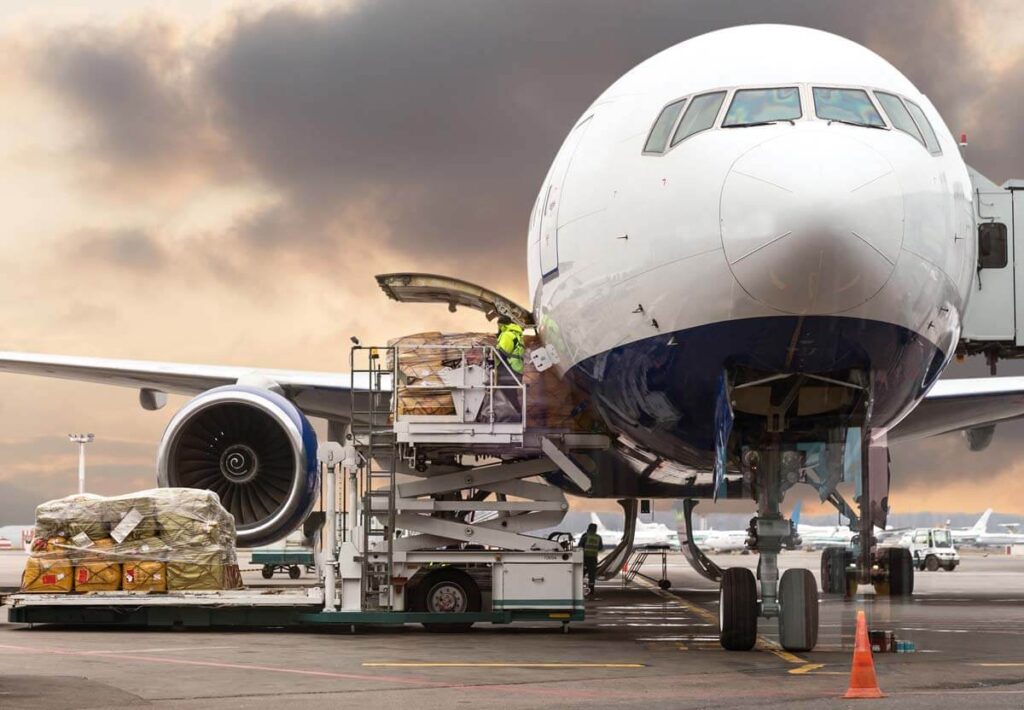
Businesses must select between air freight, sea freight, and rail freight depending on urgency, cost, and shipment volume.
| Method | Transit Time | Cost Level | Best For |
|---|---|---|---|
| Air Freight | 5–10 days | High | Urgent collections, fast fashion products |
| Sea Freight | 25–40 days | Low | Bulk wholesale apparel shipments |
| Rail Freight | 15–22 days | Medium | Mid-sized orders needing faster delivery |
What are you waiting for?
Contact chinatopfreight for a fast, free quote.
Are you ready to book?
Access live instant freight quotes
Why Is Packaging Important in Clothing Shipments?
Packaging impacts both cost and compliance.
- Cartons and polybags: Most common for bulk apparel.
- Retail-ready packaging: Required if goods go directly to stores.
- Sustainable packaging: Increasingly demanded by EU buyers to meet eco-standards.
Can Bulk Shipping Reduce Clothing Import Costs?
Yes. Bulk shipments allow importers to use Full Container Load (FCL) services, lowering per-unit costs compared to Less than Container Load (LCL).
| Container Type | Capacity | Cost Efficiency | Best For |
|---|---|---|---|
| 20ft Container | 28–30 CBM | Medium | Small to medium shipments |
| 40ft Container | 58–60 CBM | High | Large seasonal shipments |
| LCL Shared Cargo | Flexible | Lower per order | Startups, small retailers |
How Does Transit Time Influence Fashion Logistics?
Fashion trends are time-sensitive, meaning delivery delays can hurt sales. Therefore, brands must align shipping methods with their sales calendars.
- Air freight: Perfect for trend-driven fashion lines.
- Sea freight: Ideal for replenishing warehouse stock.
- Rail freight: Suits mid-range delivery schedules.
What Are the Pros and Cons of Different Shipping Methods?
| Method | Pros | Cons |
|---|---|---|
| Air Freight | Fast, reliable, protects brand timelines | Expensive, limited cargo space |
| Sea Freight | Economical, large volume | Slow, unsuitable for urgent deliveries |
| Rail Freight | Balanced speed and cost, eco-friendlier | Limited routes, less coverage than sea ports |
Do Importers Need to Comply with EU Sustainability Standards?
Yes. EU regulations stress environmental compliance, including:
- REACH chemical safety standards in textiles.
- Eco-labeling for certain fabrics.
- Use of recyclable packaging.
Non-compliance can result in fines or rejected shipments.
Should You Work with a Freight Forwarder for Clothing Imports?
Yes, freight forwarders simplify the process by managing compliance, negotiating rates, and ensuring timely delivery. They are especially valuable for fashion brands that deal with seasonal deadlines and strict customs requirements.
Conclusion
The shipping requirements for clothing from China to Europe involve documentation, customs compliance, packaging, and selecting the right freight option. While air freight ensures speed, sea and rail freight offer cost efficiency. Moreover, EU regulations demand strict adherence to sustainability and labeling laws. By partnering with a reliable freight forwarder, importers can minimize risks, control costs, and ensure smooth apparel deliveries to European markets.
FAQ
1. Do I need an import license for all clothing shipments?
Not always. Most apparel can be imported without licenses, but protective gear or restricted textiles may require additional permits.
2. What HS codes apply to clothing?
Textiles generally fall under HS codes 61–63, covering knitwear, woven apparel, and accessories. Each category carries unique duty rates.
3. How can I reduce shipping costs for clothing imports?
Choosing bulk shipments (FCL), negotiating freight contracts, and planning around seasonal demand help lower logistics expenses.
4. What packaging works best for apparel shipments?
Standard cartons and polybags are common. However, eco-friendly packaging is increasingly preferred by EU retailers for sustainability compliance.
5. How do EU labeling rules affect clothing imports?
All garments must display fiber content, origin, and care instructions. Missing labels may result in rejection at customs.