

- By ayla tj
- October 29, 2025
- Logistics Guide
Finding the cheapest way to ship textiles from China to Europe is one of the biggest concerns for importers in the apparel and fabric industry. Shipping costs, customs clearance, and transit times can make or break profit margins. However, by choosing the right freight method and preparing documents properly, businesses can lower expenses while ensuring smooth deliveries.
What Are the Key Factors Influencing Textile Shipping Costs?
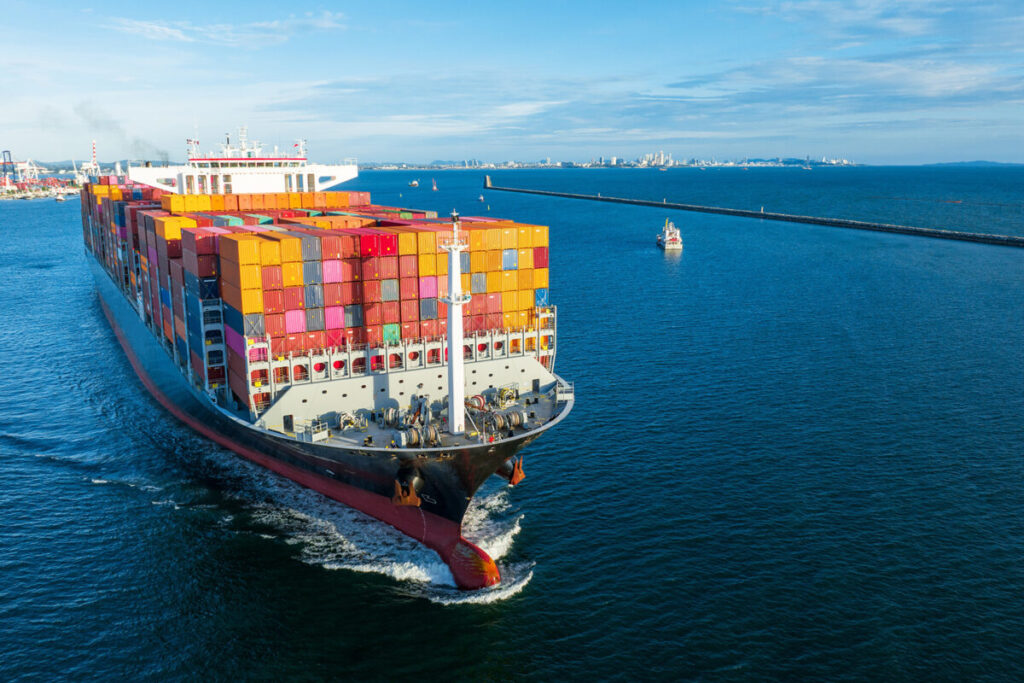
Shipping textiles internationally involves several cost variables. Understanding them allows importers to better estimate and optimize expenses.
- Volume and weight (CBM/W/M ratio)
- Freight method (sea, air, rail, courier)
- Port handling and terminal charges
- Customs duties and VAT in destination country
- Packaging and consolidation fees
How Much Does Textile Shipping from China to Europe Cost?
Costs vary widely depending on method. Sea freight is the most affordable for bulk, while air freight suits urgent but high-value orders.
| Method | Average Cost Range | Transit Time | Best For |
|---|---|---|---|
| Sea Freight LCL | $30–$60 per CBM | 25–40 days | Medium textile shipments |
| Sea Freight FCL | $1,000–$2,500 per container | 25–35 days | Bulk textile orders |
| Rail Freight | $80–$120 per CBM | 15–22 days | Faster than sea, cheaper than air |
| Air Freight | $4–$8 per kg | 5–10 days | Urgent textile samples or fast fashion |
| Courier (DHL/UPS) | $6–$12 per kg | 3–7 days | Small parcels and samples |
Are you ready to book?
Access live instant freight quotes
Why Is Sea Freight the Cheapest Option for Textiles?
Sea freight remains the lowest-cost choice for large textile imports. Fabrics are lightweight but bulky, making them ideal for containerized shipping.
- LCL (Less than Container Load): For small to medium orders.
- FCL (Full Container Load): Best for wholesalers importing in bulk.
What Are the Transit Times for Textile Shipments?
Transit times differ based on method and route.
| Origin Port (China) | Destination Port (Europe) | Transit Time (Sea) | Transit Time (Rail) |
|---|---|---|---|
| Shanghai | Rotterdam (Netherlands) | 30–35 days | 16–18 days |
| Shenzhen | Hamburg (Germany) | 28–32 days | 15–20 days |
| Ningbo | Antwerp (Belgium) | 32–36 days | 17–22 days |
| Qingdao | Barcelona (Spain) | 33–38 days | 18–20 days |
What Documents Are Required for Textile Shipping?
| Document | Purpose |
|---|---|
| Commercial Invoice | Declares textile value and transaction terms |
| Packing List | Details fabric types, rolls, weights, and CBM |
| Bill of Lading (B/L) | Proof of carriage |
| Certificate of Origin | Confirms textile manufacturing country |
| HS Code Classification | Determines duty rates and VAT |
| Textile Certificates | For restricted categories (organic, flameproof) |
What Is the Role of Customs in Textile Imports?
Textiles fall under HS codes 50–63, covering fabrics, garments, and accessories. Duties vary depending on product type and material composition.
- Import Duty: 8–12% average in the EU.
- VAT: Charged based on the destination country (e.g., Germany 19%, France 20%).
- Labeling Requirements: Must show fiber content, care instructions, and origin.
Should You Choose LCL or FCL for Textile Imports?
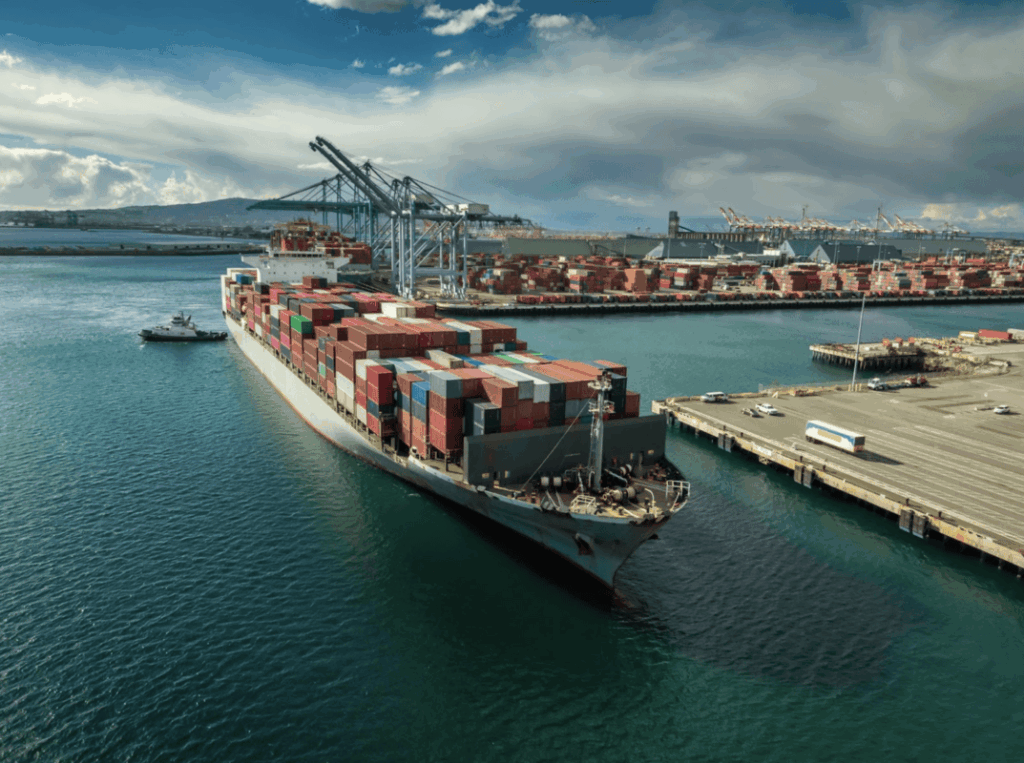
| Mode | Pros | Cons |
|---|---|---|
| LCL | Flexible for smaller orders, shared container | Higher per-unit cost, longer handling |
| FCL | Cheaper per unit, faster clearance | Requires large volumes to justify cost |
How Do Air, Sea, and Rail Freight Compare?
| Method | Pros | Cons |
|---|---|---|
| Sea Freight | Cheapest for bulk, high capacity | Long transit times, requires planning |
| Air Freight | Fast, reliable for urgent shipments | Very expensive, not suitable for bulk textiles |
| Rail Freight | Balanced speed and cost, eco-friendlier | Limited routes, availability issues |
Can Consolidation Save Money for Textile Importers?
Yes. Freight forwarders consolidate multiple small textile shipments into a shared container, reducing per-unit cost and improving shipping efficiency.
Why Work with a Freight Forwarder for Textiles?
A professional freight forwarder ensures:
- Competitive rates through volume contracts
- Proper classification under HS codes
- Faster customs clearance
- Optimized routes and handling
Conclusion
The cheapest way to ship textiles from China to Europe is usually by sea freight, especially for bulk fabric shipments. However, rail freight offers a good balance for mid-volume imports, and air freight suits urgent orders. By preparing proper documents, planning around customs regulations, and working with freight forwarders, importers can cut costs and improve supply chain efficiency.
FAQ
1. What risks should textile importers consider in sea freight?
Textiles may face risks like moisture damage, container delays, and port congestion. Using moisture-proof packing and insurance minimizes these challenges.
2. How can textile businesses plan around seasonal freight rate increases?
Plan shipments before peak seasons such as Christmas or Chinese New Year to avoid rate hikes and capacity shortages.
3. Are textile samples shipped differently from bulk orders?
Yes. Samples usually ship by air courier for speed, while bulk imports move by sea freight or rail for cost savings.
4. Can eco-friendly fabrics face different import rules?
Certain organic or certified textiles may require sustainability certificates for customs clearance, especially under EU eco-labeling regulations.
5. What hidden costs affect textile shipping?
Hidden costs may include port storage, demurrage fees, terminal handling charges, customs inspections, and local delivery to warehouses.