

- By ayla tj
- October 29, 2025
- Logistics Guide
Understanding the time to ship clothing from China to Europe is essential for fashion retailers, wholesalers, and e-commerce businesses. Delivery schedules impact product launches, seasonal collections, and inventory planning. However, shipping times vary depending on the method, customs clearance, and destination. This guide explains the average transit times, influencing factors, and practical ways to ensure on-time delivery.

What Factors Affect the Time to Ship Clothing?
Several variables influence overall delivery speed, including:
- Shipping method (sea, air, rail, courier).
- Port or airport congestion in China or Europe.
- Customs clearance times at EU entry points.
- Incoterms agreed upon between buyer and seller.
- Peak seasons like Christmas or Chinese New Year.
How Long Does It Take to Ship Clothing by Different Methods?
The average transit times vary widely depending on method:
| Shipping Method | Transit Time | Best For | Cost Level |
|---|---|---|---|
| Air Freight | 5–10 days | Urgent fashion shipments, fast fashion | High |
| Sea Freight (FCL/LCL) | 25–40 days | Bulk clothing, seasonal stock | Low |
| Rail Freight | 15–22 days | Faster than sea, cheaper than air | Medium |
| Courier Services | 3–7 days | Small parcels, samples | Very High |
How Much Does Shipping Clothing Cost? (Third Section)
Costs are tied directly to both speed and method.
| Mode | Average Cost | Details |
|---|---|---|
| Sea Freight LCL | $30–$60 per CBM | Shared container space for smaller orders |
| Sea Freight FCL | $1,000–$2,500 per container | Cheapest per unit for bulk clothing |
| Rail Freight | $80–$120 per CBM | Balanced solution for mid-sized orders |
| Air Freight | $4–$8 per kg | Expensive but fast for urgent orders |
| Courier (DHL/UPS) | $6–$12 per kg | Best for samples or very small shipments |
What are you waiting for?
Contact chinatopfreight for a fast, free quote.
Are you ready to book?
Access live instant freight quotes
What Are the Fastest Routes from China to Europe?
| Origin Port (China) | Destination (Europe) | Sea Transit Time | Rail Transit Time |
|---|---|---|---|
| Shanghai | Hamburg (Germany) | 30–35 days | 16–18 days |
| Shenzhen | Rotterdam (Netherlands) | 28–32 days | 15–20 days |
| Ningbo | Antwerp (Belgium) | 32–36 days | 17–22 days |
| Qingdao | Barcelona (Spain) | 33–38 days | 18–20 days |
How Do Customs Procedures Impact Transit Times?
| Document | Purpose |
|---|---|
| Commercial Invoice | Declares goods’ value |
| Packing List | Provides shipment details |
| Bill of Lading / AWB | Proof of shipment |
| Certificate of Origin | Confirms manufacturing country |
| HS Code Classification | Determines duties and VAT |
| Textile Labeling Proof | Ensures compliance with EU textile laws |
Why Do Transit Times Differ Between LCL and FCL?
- FCL (Full Container Load): Faster, fewer delays, more secure.
- LCL (Less than Container Load): Longer due to consolidation and deconsolidation.
What Are the Pros and Cons of Each Shipping Method?
| Method | Pros | Cons |
|---|---|---|
| Air Freight | Fast, reliable, meets fashion deadlines | Expensive, limited cargo volume |
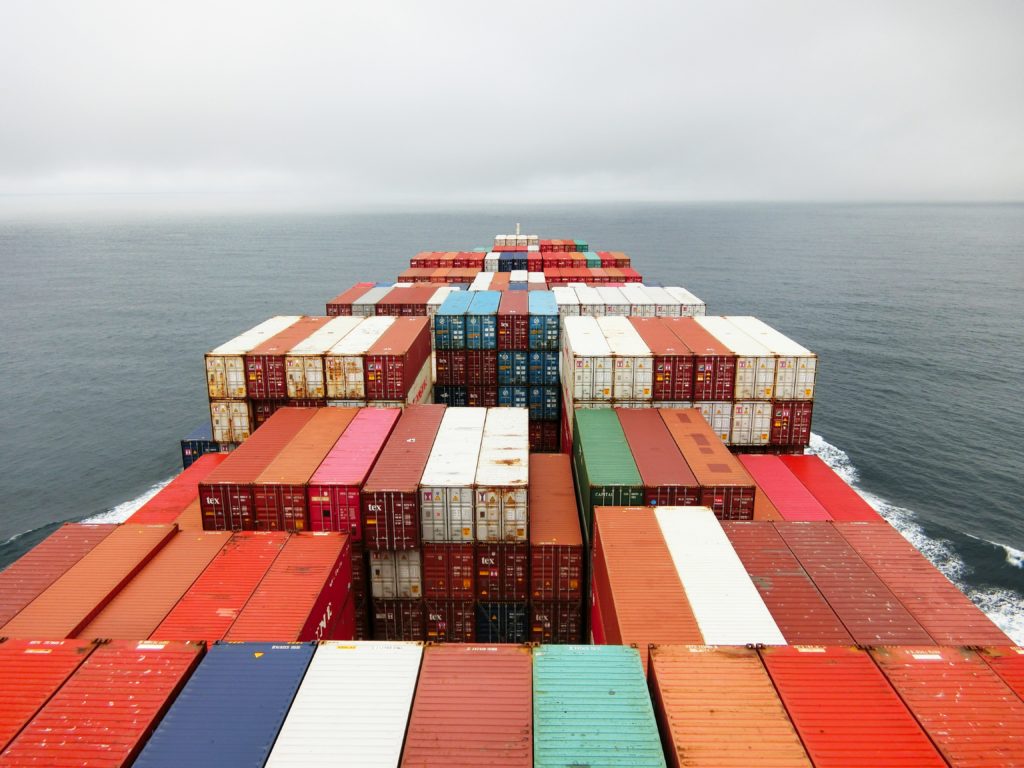
| Sea Freight | Cheapest, high volume, suitable for bulk clothing | Slow, requires advance planning |
| Rail Freight | Balanced speed and cost, eco-friendly | Limited routes, availability issues |
| Courier | Convenient for small orders and samples | Very costly for bulk imports |
How Do Incoterms Affect Shipping Times?
- FOB (Free on Board): Buyer arranges shipping, more control.
- CIF (Cost, Insurance, Freight): Seller arranges sea freight, may reduce buyer’s flexibility.
- DAP/DDP (Delivered at Place/Paid): Faster but more costly, as seller handles most logistics.
Can Peak Seasons Delay Clothing Shipments?
Yes. High-demand periods like pre-Christmas and Chinese New Year cause:
- Vessel space shortages.
- Increased air freight costs.
- Port congestion leading to extended transit times.
Conclusion
The time to ship clothing from China to Europe depends on the shipping method, customs clearance, and seasonal conditions. Air freight offers speed, sea freight provides cost savings, and rail freight balances both. By planning around peak seasons, preparing proper documents, and working with freight forwarders, importers can streamline their supply chain and keep fashion deliveries on schedule.
FAQ
1. How can businesses avoid delays during peak shipping seasons?
Booking shipments early, using reliable freight forwarders, and choosing alternative routes help reduce delays during busy periods.
2. What role does packaging play in reducing shipping time?
Proper packaging reduces damage risk, prevents customs re-inspections, and speeds up handling during loading and unloading.
3. Can tracking systems help optimize delivery schedules?
Yes, digital tracking tools provide real-time updates, helping businesses adjust inventory planning and sales schedules based on actual delivery progress.
4. Do fashion retailers use different shipping methods than wholesalers?
Often yes. Fast fashion brands rely more on air freight, while wholesalers typically use sea freight for cost efficiency.
5. What happens if clothing shipments are delayed at customs?
Delays may incur storage fees. Working with a customs broker or forwarder helps avoid errors in paperwork that trigger inspections.