

- By ayla tj
- October 30, 2025
- Logistics Guide
Global trade between China and Australia is booming, yet businesses constantly face the challenge of balancing shipping speed with cost efficiency. Choosing the right express shipping China to Australia service can determine whether your products reach customers on time, comply with customs, and remain cost-effective. This guide explores everything you need to know, from costs and delivery times to customs and shipping method comparisons.

Why Choose Express Shipping from China to Australia?
Businesses often debate whether they should use air freight, courier, or other express solutions. Express shipping offers speed, reliability, and tracking—vital for e-commerce, electronics, fashion, and seasonal goods. However, costs can vary greatly, making careful planning essential.
What Are the Main Express Shipping Options from China to Australia?
There are multiple options to move goods quickly from China to Australia. The most common include:
| Shipping Method | Average Cost per kg | Transit Time | Pros | Cons |
|---|---|---|---|---|
| International Courier (DHL, FedEx, UPS) | $6–$12 | 3–6 days | Fastest, door-to-door, tracking | Higher costs for heavy cargo |
| Air Freight Express | $4–$8 | 5–9 days | Cheaper than courier for bulk, reliable | Requires customs clearance |
| Sea Freight Express (Fast LCL/FCL) | $1–$3 | 12–18 days | Low cost for large shipments | Slower than air, port delays possible |
How Long Does Express Shipping from China to Australia Take?
Transit time depends on the method and origin port/airport in China:
| Origin in China | Destination in Australia | Courier Transit | Air Freight Transit | Fast Sea Freight Transit |
|---|---|---|---|---|
| Shenzhen | Sydney | 3–5 days | 5–7 days | 12–14 days |
| Shanghai | Melbourne | 3–6 days | 6–9 days | 14–18 days |
| Ningbo | Brisbane | 3–6 days | 6–9 days | 14–18 days |
| Guangzhou | Perth | 3–5 days | 5–8 days | 12–16 days |
How Much Does Express Shipping from China to Australia Cost?
Pricing depends on shipment weight, dimensions, and urgency:
| Weight/Volume | Courier (DHL/UPS/FedEx) | Air Freight Express | Sea Freight Express |
|---|---|---|---|
| 1–5 kg | $45–$70 | Not economical | Not available |
| 10–50 kg | $6–$12/kg | $4–$8/kg | $2–$4/kg |
| 100–300 kg | $5–$9/kg | $3–$6/kg | $1–$3/kg |
| 1×20ft Container | N/A | N/A | $3,000–$4,500 |
| 1×40ft Container | N/A | N/A | $5,000–$7,500 |
Are you ready to book?
Access live instant freight quotes
What Customs Documents Are Needed for Express Shipping?
| Document | Purpose |
|---|---|
| Commercial Invoice | Declares shipment value |
| Packing List | Lists item details & weight |
| Airway Bill (AWB) or Bill of Lading (B/L) | Transport contract |
| Import Declaration (Australia) | Required by Australian Border Force |
| Certificates (if applicable) | Food, cosmetics, or medical approvals |
Should You Choose Courier or Air Freight for Express Shipping?
- Courier services (DHL, FedEx, UPS): Best for small, high-value goods that require door-to-door service.
- Air Freight Express: Best for medium to large shipments where cost per kilo matters more than individual parcel handling.
- Sea Freight Express: Suitable for bulky cargo where speed is needed but not as urgent as air.
What Factors Affect Express Shipping Costs from China to Australia?
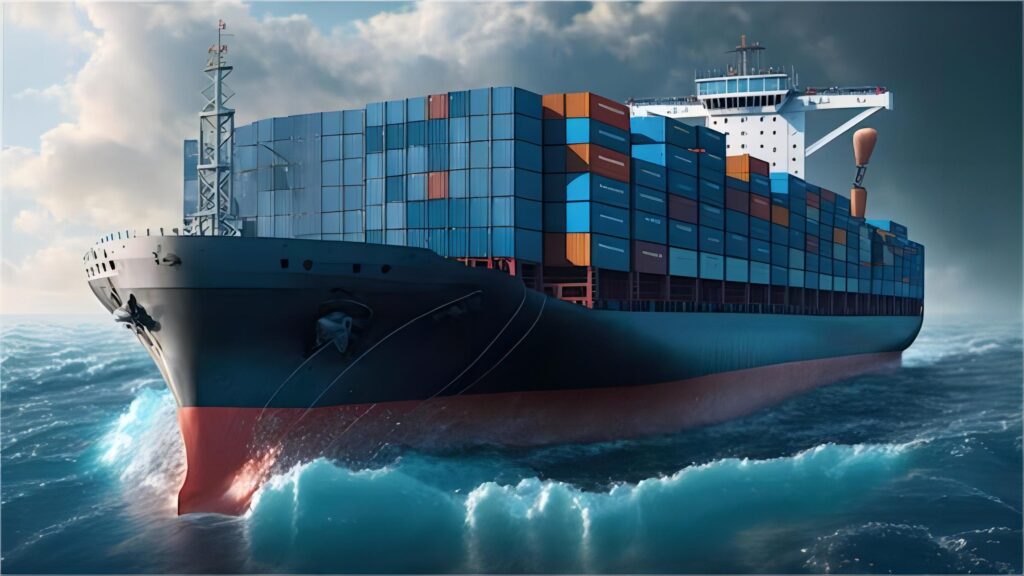
Several variables influence your final shipping rate:
- Shipment Weight & Volume: Higher weights reduce cost per kg.
- Shipping Route & Carrier: Premium carriers may cost more but provide reliability.
- Customs Duties & Taxes: Australia has strict biosecurity laws that may add costs.
- Seasonal Demand: Rates rise before Christmas or Chinese New Year.
- Fuel Surcharge & Security Fees: Fluctuate with global oil prices.
Can E-Commerce Sellers Benefit from Express Shipping?
Yes, especially for Amazon FBA sellers and online retailers. Express shipping ensures inventory reaches fulfillment centers quickly. Moreover, Australian customers expect fast delivery, making express a competitive advantage.
Pros and Cons of Express vs Other Shipping Modes
| Mode | Pros | Cons |
|---|---|---|
| Express Courier | Fastest, tracking, no warehousing delays | Expensive for heavy items |
| Air Freight | Cheaper than courier for bulk, reliable | Requires customs clearance |
| Sea Freight (Standard) | Cheapest for large cargo | Slowest (30–40 days) |
| Rail Freight (via Europe) | Not practical to Australia | Long transit, complex route |
How to Reduce Express Shipping Costs?
- Consolidate shipments to reduce per-kg pricing.
- Work with a freight forwarder for contract rates.
- Use the correct HS codes to avoid customs issues.
- Ship during non-peak seasons.
- Choose the right packaging to minimize volumetric weight.
Conclusion
Express shipping China to Australia provides speed, reliability, and flexibility for businesses aiming to meet tight delivery schedules. While costs vary depending on weight, volume, and method, express services remain the best option for e-commerce sellers and time-sensitive cargo. By understanding available methods, preparing customs documents, and leveraging freight forwarders, businesses can optimize their supply chain and maintain a competitive edge in the Australian market.
FAQ
1. What is the cheapest express shipping method from China to Australia?
Fast sea freight LCL is usually cheapest for bulk shipments, while consolidated air freight offers savings compared to international courier for medium weights.
2. How can I track my express shipment from China to Australia?
Most couriers provide online tracking portals. For air freight, tracking is done via Airway Bill numbers through airline systems and freight forwarders.
3. Are there import taxes on express shipments to Australia?
Yes, Australia charges GST (10%) on goods valued above AUD 1,000, along with possible duties depending on the product type and classification.
4. Can I ship food products via express shipping?
Yes, but Australia requires biosecurity clearance and proper certificates. Importers must ensure food products comply with health and quarantine regulations.
5. Do couriers handle customs clearance for express shipments?
Yes, couriers like DHL and FedEx typically include customs clearance. However, duties, taxes, or quarantine checks are billed to the importer.