

- By carlie tj
- October 30, 2025
- Logistics Guide
For companies trading between Asia and Europe, choosing the best rail freight from China to Belgium ensures a balance between cost, speed, and reliability. With China Top Freight, importers gain professional logistics services, competitive pricing, and smooth customs clearance for stress-free delivery into Belgium and the wider European market.
1. What Makes Rail Freight the Best Option for China–Belgium Trade?
Rail freight bridges the gap between sea and air shipping. It is faster than ocean transport and more cost-effective than air freight. Moreover, it is eco-friendly, producing lower carbon emissions, which helps businesses meet sustainability goals while keeping their supply chains efficient.
2. How Does Rail Freight Work from China to Belgium?
The process involves several key stages:
- Cargo collection and consolidation in Chinese hubs such as Xi’an, Chongqing, Wuhan, or Yiwu.
- Loading containers onto scheduled block trains.
- Transit via Kazakhstan, Russia, and Eastern Europe.
- Arrival at Belgian terminals like Liège or Antwerp.
- Customs clearance, followed by local trucking for last-mile delivery.
Additionally, these routes integrate with the EU’s road network, making it easy to distribute goods to nearby countries such as France, Germany, and the Netherlands.
3. Why Is Belgium a Strategic Hub for Rail Freight?
Belgium’s ports and inland logistics infrastructure make it a critical gateway to Europe. Liège, Antwerp, and Brussels are connected to major rail corridors, ensuring smooth intermodal transfers. Furthermore, Belgium’s central position provides faster distribution to Western Europe compared to other entry points.
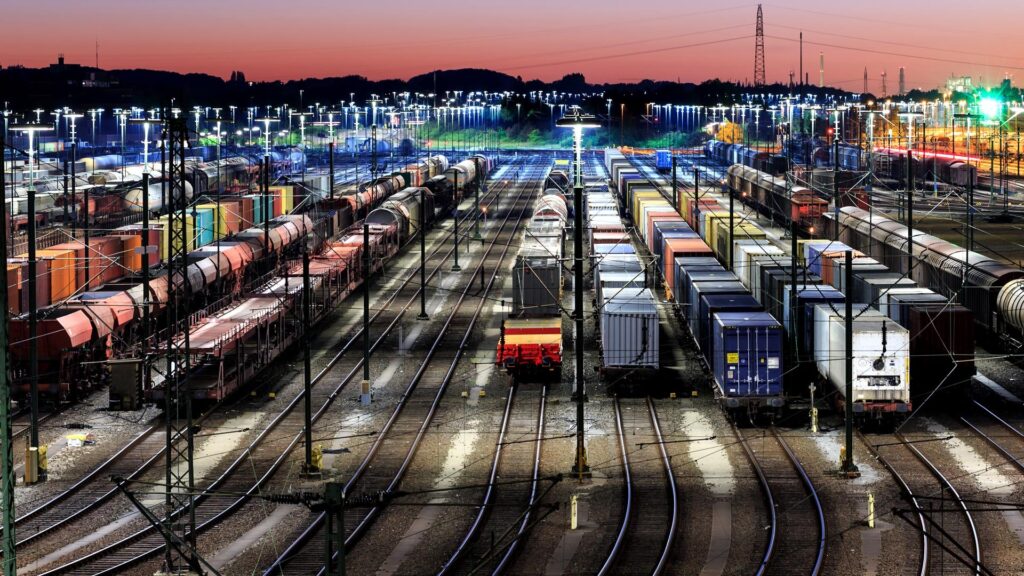
4. How Much Does Rail Freight from China to Belgium Cost?
Rail rates vary depending on service type, season, and cargo. Below is a comparison with other modes:
| Shipping Mode | Estimated Cost | Transit Time | Pros | Cons |
|---|---|---|---|---|
| Rail Freight | $7,000–$9,000 per 40ft | 18–22 days | Balanced cost and time | Slightly higher than sea |
| Sea Freight | $2,000–$3,500 per 40ft | 30–40 days | Cheapest for bulk cargo | Long lead times |
| Air Freight | $6–$12 per kg | 5–10 days | Fastest, secure | Very costly for heavy loads |
| Courier Service | $7–$15 per kg | 3–7 days | Convenient for small parcels | Impractical for large cargo |
Note: Prices fluctuate due to fuel surcharges, demand, and market capacity.
5. What Are the Key Routes from China to Belgium?
- Xi’an → Liège: One of the fastest and most reliable connections.
- Chongqing → Antwerp: Preferred for electronics and machinery.
- Wuhan → Brussels: Strong for industrial and automotive goods.
- Yiwu → Liège: Suited to consumer products and textiles.
Moreover, these routes allow onward trucking to France, Luxembourg, and the Netherlands in under 48 hours.
6. Should You Choose Rail Freight Over Other Options?
Rail freight is ideal when:
- Sea freight is too slow to meet delivery schedules.
- Air freight costs exceed budget limits.
- Shipments are medium volume, not bulk.
- Businesses prioritize reduced carbon footprint.
Thus, it is the most balanced choice for many importers trading with Belgium.
Looking for the best rail freight from China to Belgium? Partner with China Top Freight today for reliable schedules, transparent pricing, and expert customs support. Contact us now for a tailored solution that keeps your supply chain efficient and competitive.
7.Conclusion
Opting for the best rail freight from China to Belgium provides importers with a solution that balances transit speed, cost efficiency, and sustainability. With reliable schedules, professional customs support, and competitive pricing, rail freight has become the preferred option for many industries. Ultimately, partnering with an experienced logistics provider like China Top Freight ensures smoother operations and long-term supply chain success.
8. Request a Quote
China Top Freight offers:
- ✅ Origin and Destination Countries
- ✅ Cargo Type and Volume
- ✅ Preferred Transport Method (Air, Sea, Rail, Road)
- ✅ Delivery Timeline
- ✅ Special Handling Requirements (if any)
9. FAQ
Q1: How often do trains operate from China to Belgium?
Weekly departures from major Chinese hubs provide consistent connections, enabling businesses to plan supply chains with flexibility and reliability.
Q2: Can small businesses use rail freight services?
Yes, Less than Container Load (LCL) services make rail freight accessible and affordable for small and medium enterprises with smaller shipment volumes.
Q3: What tracking options are available for shipments?
Most professional freight forwarders provide digital tracking platforms, enabling visibility of cargo location, transit milestones, and estimated delivery dates.
Q4: Are customs duties different for rail freight compared to sea?
No, EU duties and VAT apply equally across all transport modes. The only variation lies in clearance speed and inspection frequency.
Q5: What if delays occur during the rail journey?
Delays may result from border checks or congestion, but professional forwarders minimize risks by choosing optimal routes and handling documentation.