

- By ayla tj
- October 30, 2025
- Logistics Guide
For luxury brands, wholesalers, and e-commerce sellers, moving inventory efficiently is essential. Choosing watches sea freight China to UK provides a balance of cost efficiency and shipment security. However, due to customs duties, transit times, and strict compliance requirements, importers must plan carefully to avoid delays and extra expenses. This guide outlines costs, methods, customs documentation, and strategies for shipping watches safely and cost-effectively.

Why Import Watches from China to the UK?
China is a global leader in watch manufacturing, producing everything from luxury timepieces to affordable fashion models. UK retailers rely on sea freight for bulk imports, as it provides scalable solutions for large shipments while keeping costs low compared to air freight or courier services. Moreover, modern containerized shipping ensures safety and tracking of valuable cargo.
What Are the Main Shipping Methods for Watches?
| Shipping Method | Cost Estimate | Transit Time | Pros | Cons |
|---|---|---|---|---|
| Sea Freight FCL (Full Container Load) | $2,800–$4,500 per 20ft | 30–40 days | Economical, secure for bulk | Requires high volume |
| Sea Freight LCL (Less than Container Load) | $100–$160 per m³ | 35–45 days | Affordable for small shipments | Shared space, longer handling |
| Air Freight | $5–$9 per kg | 5–10 days | Fast, reliable for urgent stock | Expensive for large loads |
| Courier (DHL/UPS/FedEx) | $7–$15 per kg | 3–6 days | Door-to-door, tracking | Only for small parcels |
How Long Does Watches Sea Freight Take?
| Origin Port in China | Destination Port in UK | Average Transit (Sea) | Average Transit (Air) |
|---|---|---|---|
| Shanghai | Felixstowe | 30–35 days | 6–8 days |
| Shenzhen | London Gateway | 32–38 days | 5–7 days |
| Ningbo | Southampton | 33–40 days | 6–9 days |
| Qingdao | Liverpool | 34–42 days | 7–10 days |
How Much Does It Cost to Ship Watches?
| Shipment Size | LCL Pricing | FCL Pricing | Air Freight | Courier |
|---|---|---|---|---|
| 1–5 m³ | $100–$160/m³ | Not available | $6–$10/kg | $7–$15/kg |
| 10–15 m³ | $110–$150/m³ | $2,800–$3,500 (20ft) | $5–$8/kg | Not economical |
| 20–30 m³ | N/A | $4,000–$5,500 (40ft) | Not suitable | Not suitable |
| 40–60 m³ | N/A | $6,000–$7,500 (40ft HQ) | N/A | N/A |
Costs vary based on season, carrier contracts, and insurance requirements for valuable goods.
Are you ready to book?
Access live instant freight quotes
What Customs Documents Are Required for Watches?
| Document | Purpose |
|---|---|
| Commercial Invoice | Declares value of watches |
| Packing List | Lists SKU, carton count, and weights |
| Bill of Lading (B/L) | Proof of shipment contract |
| HS Codes | Used for customs duty calculations |
| Import Declaration (UK) | Mandatory for customs clearance |
| Certificates (if needed) | Battery safety or brand authenticity certificates |
What Customs Duties Apply to Watches in the UK?
- Duty Rate: Watches generally attract 2–4.5% customs duty, depending on material and type.
- VAT: 20% applied on the CIF value (Cost + Insurance + Freight).
- Additional Rules: Watches containing lithium batteries may require compliance with hazardous goods regulations.
Should You Choose FCL or LCL for Watches?
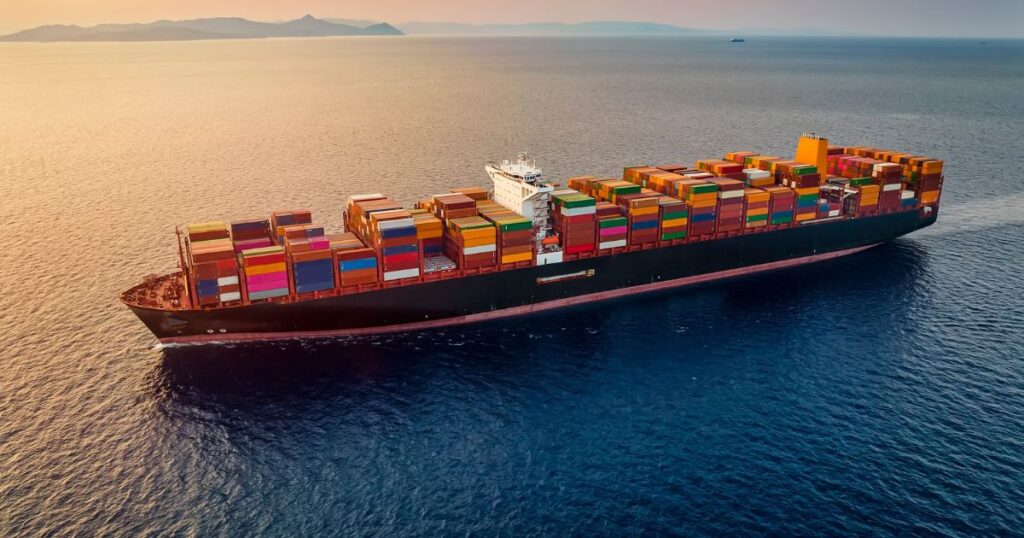
- FCL (Full Container Load): Ideal for high-volume shipments. Provides greater security and lower per-unit cost.
- LCL (Less than Container Load): Suitable for smaller importers but exposes goods to higher handling and potential delays.
How Do Costs Compare: Sea vs Air Freight?
| Mode | Cost | Transit Time | Best For |
|---|---|---|---|
| Sea Freight FCL | $2,800–$7,500 | 30–40 days | Large watch orders |
| Sea Freight LCL | $100–$160/m³ | 35–45 days | Medium shipments |
| Air Freight | $5–$9/kg | 5–10 days | Urgent deliveries |
| Courier | $7–$15/kg | 3–6 days | Small orders, samples |
What Are the Risks of Watches Sea Freight?
- Theft or Loss: High-value shipments may attract risk.
- Customs Delays: Incorrect HS codes can hold cargo.
- Damage in Transit: Poor packaging increases breakage risk.
- Insurance Gaps: Inadequate coverage can lead to financial losses.
How Should Watches Be Packaged?
- Use sturdy cartons with protective foam inserts.
- Pack watches in individual cases to avoid scratches.
- Palletize cartons and use shrink wrap for stability.
- Include moisture protection such as silica gel packs.
Conclusion
Choosing watches sea freight China to UK is the most cost-efficient method for large-scale imports, offering reliable transit at lower costs compared to air freight. While sea freight takes longer, careful planning, proper packaging, and professional freight forwarding ensure safe, compliant, and timely deliveries. With the right strategy, importers can reduce expenses, meet demand, and grow their presence in the UK watch market.
FAQ
1. What is the cheapest way to ship watches from China to the UK?
Sea freight, particularly FCL, is the most economical option for bulk imports of watches, while LCL offers flexibility for smaller shipments.
2. Can watches with batteries be shipped by sea?
Yes, but watches containing lithium batteries must follow dangerous goods regulations. Special labeling and documentation are often required.
3. Do I need to pay customs duty on imported watches?
Yes, most watches attract a duty of 2–4.5% and 20% VAT, calculated on the CIF value of the shipment.
4. Is air freight better than sea freight for watches?
Air freight is faster and more secure but much more expensive. Sea freight is better for bulk orders where cost efficiency is the priority.
5. What packaging is recommended for watch shipments?
Each watch should be individually packed in protective cases, placed in cartons with foam inserts, and palletized with shrink wrap to prevent damage.