

- By kelly
- October 30, 2025
- Logistics Guide
Best FCL Shipping from Shenzhen to Spain
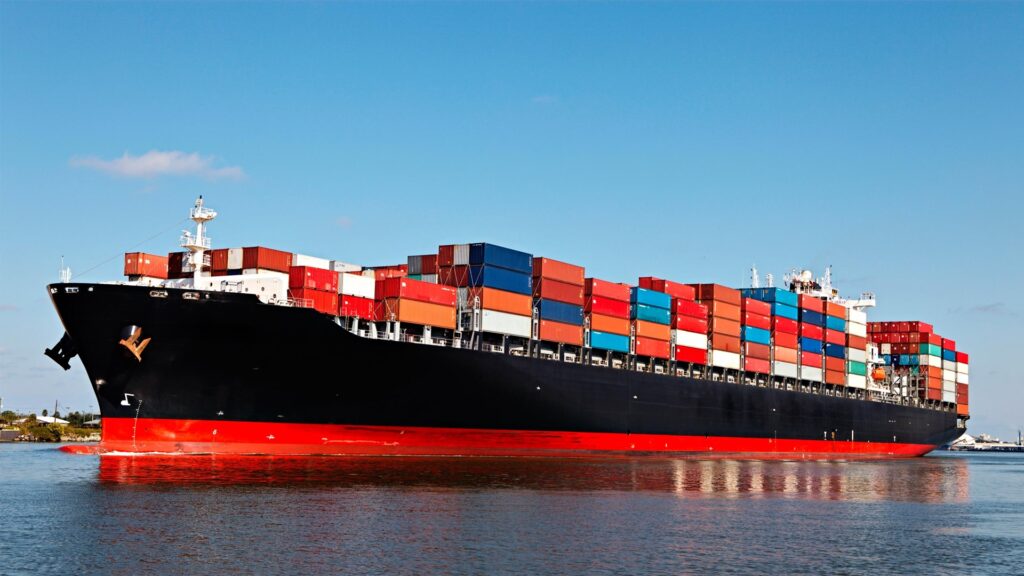
When shipping in bulk, businesses need the best FCL shipping from Shenzhen to Spain to guarantee reliability, cost efficiency, and smooth customs clearance. Shenzhen, as one of China’s busiest export hubs, offers multiple routes to major Spanish ports like Valencia, Barcelona, and Algeciras, making it a preferred choice for importers.
1. Why Choose FCL Shipping from Shenzhen to Spain?
Full Container Load (FCL) is suitable for companies shipping large volumes. Unlike LCL (Less than Container Load), FCL gives full control of the container.
Advantages include:
- Lower cost per unit for bulk goods.
- Reduced risk of cargo damage or contamination.
- Faster transit time due to direct handling.
- Flexibility with container sizes (20ft, 40ft, 40HQ).
2. How Long Does FCL Shipping to Spain Take?
Transit times vary based on the shipping route and chosen carrier.
| Origin Port (China) | Destination Port (Spain) | Estimated Transit Time |
|---|---|---|
| Shenzhen | Valencia | 28 – 32 days |
| Shenzhen | Barcelona | 29 – 34 days |
| Shenzhen | Algeciras | 30 – 35 days |
| Shenzhen | Bilbao | 32 – 36 days |
Note: Transit times may change depending on weather, port congestion, and customs clearance.
3. What Is the Cost of the Best FCL Shipping from Shenzhen to Spain?

Costs depend on container size, route, and seasonal demand.
| Container Type | Average Cost (USD) | Suitable Cargo |
|---|---|---|
| 20ft | $1,200 – $1,800 | Small to medium-sized shipments |
| 40ft | $2,000 – $2,800 | Large shipments, heavier goods |
| 40ft HQ | $2,200 – $3,000 | High-volume, lightweight cargo |
Prices fluctuate based on fuel surcharges, carrier choice, and peak shipping seasons.
4. What Documents Are Needed for FCL Shipping?
Proper documentation ensures smooth customs clearance in both China and Spain.
| Document | Purpose |
|---|---|
| Bill of Lading (B/L) | Shipping contract and proof of receipt |
| Commercial Invoice | Declares product value and description |
| Packing List | Lists contents, weight, and packaging details |
| Certificate of Origin | Required for tariff preferences under trade agreements |
| Customs Declaration | For import/export compliance |
5. How Does FCL Compare with Other Shipping Methods?
| Mode | Cost Level | Transit Time | Pros | Cons |
|---|---|---|---|---|
| FCL (Sea) | Low | 28–35 days | Best for bulk, cost-efficient | Longer transit |
| LCL (Sea) | Moderate | 32–40 days | Cheaper for small loads | Higher risk, slower process |
| Air Freight | High | 5–10 days | Fast, reliable for small cargo | Very expensive for bulk |
| Rail Freight | Medium | 20–25 days | Eco-friendly, faster than sea | Limited Spain connections |
| Express | Very High | 3–7 days | Fastest, door-to-door | Only for small shipments |
6. Which Spanish Ports Are Best for Imports?
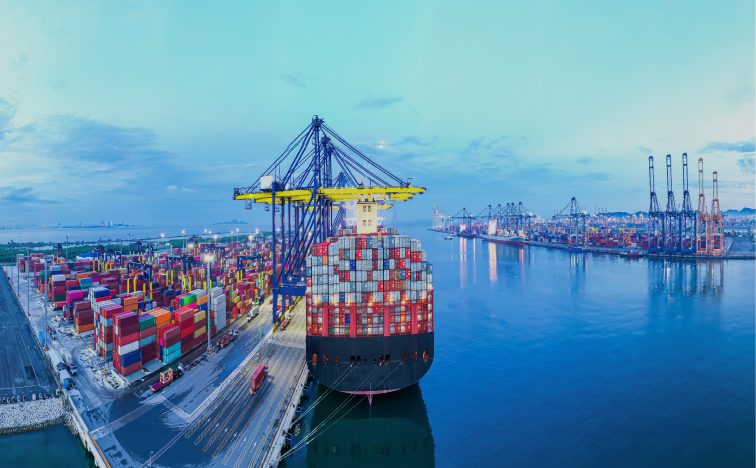
- Valencia: Largest container port in Spain, ideal for general cargo.
- Barcelona: Strong for consumer goods and regional distribution.
- Algeciras: Key gateway for South Spain and Mediterranean trade.
- Bilbao: Suitable for northern Spain and industrial imports.
7. What Types of Goods Are Commonly Shipped via FCL?
- Electronics & Machinery (large volumes, sensitive equipment).
- Textiles & Garments (seasonal fashion goods).
- Furniture & Home Goods (bulky shipments).
- Automotive Parts (regular demand for Spain’s auto industry).
- Food & Beverages (bulk packaging, requiring containerized handling).
8. How Do Customs Work for FCL Shipments to Spain?
- Spain Customs Duties: Based on HS codes, typically 0–12%.
- VAT: Standard 21% applied on CIF value (Cost + Insurance + Freight).
- Clearance Time: Usually 1–3 days if documents are accurate.
- Inspection: Random checks may cause minor delays.
9. What Are the Key Steps in FCL Shipping?
- Booking the container with a freight forwarder.
- Loading at factory/warehouse in Shenzhen.
- Port handling & customs export clearance in China.
- Ocean freight transport to Spain.
- Arrival at Spanish port and import customs clearance.
- Delivery to final warehouse or distribution center.
10. Pros and Cons of FCL Shipping from Shenzhen to Spain
| Pros | Cons |
|---|---|
| Economical for large shipments | Requires full container load |
| Lower risk of damage | Longer transit time |
| Faster than LCL at ports | Seasonal price fluctuations |
| Flexible container options | Complex documentation |
11. How to Reduce Costs in FCL Shipping?
- Plan shipments during off-peak seasons.
- Work with trusted freight forwarders to access contract rates.
- Choose the right container size to avoid wasted space.
- Consolidate orders when possible.
- Ensure complete documentation to avoid delays.
📦Get a Free Quote
Looking for the best FCL shipping from Shenzhen to Spain? Our freight experts secure competitive container rates, handle customs efficiently, and ensure timely delivery to major Spanish ports. Contact us today for a tailored solution to simplify your supply chain.
❓ Frequently Asked Questions
1. How long does FCL shipping from Shenzhen to Spain take?
Transit times average 28–35 days, depending on carrier, route, and port congestion.
2. What is the cheapest container option for Spain?
A 20ft container is usually the most affordable for small to medium shipments.
3. Do I need a Certificate of Origin for Spain imports?
Yes, it helps with tariff reductions under certain trade agreements.
4. Which port in Spain is best for my goods?
Valencia and Barcelona are the most efficient for general consumer products.
5. Can FCL shipping handle temperature-sensitive goods?
Yes, refrigerated containers (reefers) are available for perishable cargo.
Conclusion
The best FCL shipping from Shenzhen to Spain combines cost efficiency, reliability, and simplified logistics for bulk cargo. With major Spanish ports offering excellent connections, businesses can benefit from predictable transit times, secure container handling, and professional customs support. By choosing the right freight partner and planning ahead, importers can optimize supply chains and ensure timely delivery.