

- By carlie tj
- November 3, 2025
- Logistics Guide
As global trade dynamics evolve, many importers now rely on reliable rail freight from China to Spain to strike the ideal balance between cost, speed, and convenience. If you’re looking for a fast, affordable, and dependable option to move goods across Eurasia, ChinaTopFreight offers tailored logistics services that ensure smooth door-to-door delivery. This article explores why rail freight is growing in popularity and how it can benefit your business.
1. What Makes Rail Freight from China to Spain So Reliable?
Rail freight provides a stable and predictable transit solution by avoiding air traffic delays and ocean port congestions. The China-Europe Railway Express (CRE) now operates regular departures with tracking-enabled carriages and improved infrastructure, enhancing both reliability and security.
Moreover, with dedicated routes through Kazakhstan, Russia, Belarus, Poland, and Germany before reaching Spain, rail freight is less vulnerable to weather-related disruptions compared to sea transport.
2. How Long Does Rail Freight Take from China to Spain?
Transit time is a major consideration for importers. On average, rail freight from major Chinese hubs such as Xi’an, Chongqing, or Zhengzhou to Madrid or Valencia takes 18–22 days—faster than sea freight and far more economical than air freight.
| Shipping Mode | Average Transit Time | Cost Level | Suitability |
|---|---|---|---|
| Air Freight | 3–7 days | High | Urgent, lightweight goods |
| Rail Freight | 18–22 days | Medium | Standard delivery, medium to high value |
| Sea Freight | 30–45 days | Low | Bulk cargo, flexible timeline |
3. Why Choose Rail Over Sea or Air Freight?
While each shipping mode has its pros and cons, rail freight offers a sweet spot between time and budget. It’s particularly ideal for medium-sized loads, e-commerce shipments, or high-value products where time is a factor but air is too expensive.
Additionally, rail freight offers fixed schedules, low carbon emissions compared to air, and better inland delivery integration—making it a strategic choice for modern European importers.
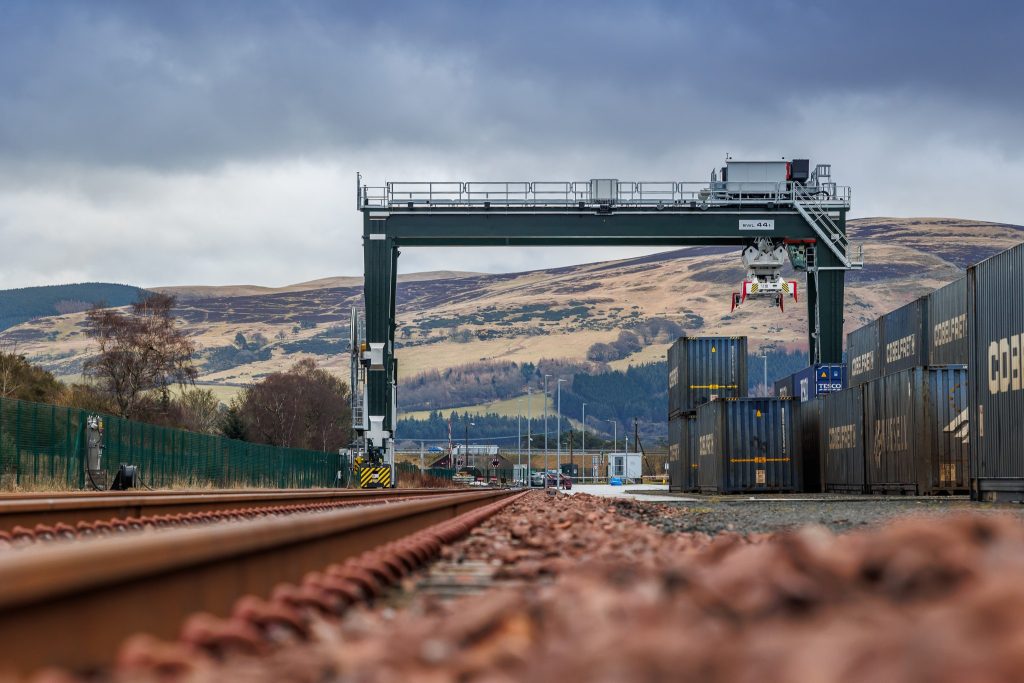
4. What Types of Goods Are Best Suited for Rail Freight?
Rail freight supports a broad spectrum of goods, including:
- Electronics and tech components
- Automotive parts
- Textiles and garments
- Medical equipment
- Household appliances
- Furniture and consumer goods
However, perishable goods or temperature-sensitive cargo may require specialized containers or alternate shipping methods.
5. How Much Does Rail Freight from China to Spain Cost?
Costs vary based on container size, weight, route, and value-added services. As a reference:
| Container Size | Approx. Price (USD) | Transit Time | CBM Capacity |
|---|---|---|---|
| 20’ FCL | $6,500 – $7,800 | 18–22 days | 28–30 CBM |
| 40’ FCL | $10,500 – $13,000 | 18–22 days | 58–60 CBM |
| LCL (1 CBM) | $280 – $350 | 20–25 days | Flexible |
Prices fluctuate due to seasonal demand, fuel rates, and route availability, but overall, rail freight is significantly cheaper than air freight for shipments above 300 kg.
6. What Documents Are Required for Customs Clearance?
Ensuring smooth customs procedures is crucial. Here’s a basic checklist for both export from China and import to Spain:
| Document | Required For | Notes |
|---|---|---|
| Commercial Invoice | Both export & import | Must list HS code, value, Incoterms |
| Packing List | Export | Detailed dimensions and weight |
| Bill of Lading / Rail Waybill | Export & Import | Proof of shipment |
| Export Declaration (China) | Export | Filed electronically |
| Import Declaration (Spain) | Import | Handled by consignee or broker |
| Certificate of Origin | Optional | May reduce tariffs under trade agreements |
Working with experienced freight forwarders like ChinaTopFreight ensures documentation is prepared and submitted accurately to avoid unnecessary delays.
7.Conclusion
In today’s fast-paced global trade environment, choosing reliable rail freight from China to Spain offers an optimal solution—balancing speed, cost, and reliability. With predictable delivery timelines, enhanced security, and sustainable operations, rail logistics continues to redefine Eurasian trade routes. Businesses aiming to expand in the Spanish or broader EU market should consider this freight mode as a strategic investment.
8. Request a Quote
China Top Freight offers:
- ✅ Origin and Destination Countries
- ✅ Cargo Type and Volume
- ✅ Preferred Transport Method (Air, Sea, Rail, Road)
- ✅ Delivery Timeline
- ✅ Special Handling Requirements (if any)
💬9. FAQ
What is the average cost of rail freight from China to Spain?
Costs typically range from $0.40/kg (LCL) to $7,000 per 40HQ container, depending on volume, service level, and season.
Is rail freight faster than sea shipping?
Rail freight is approximately twice as fast as sea freight, delivering goods within 18–22 days compared to 30–45 days.
Do I need an import license for rail shipments?
Only for specific controlled items. Most general cargo requires standard customs documents and an EORI number for Spain.
Can I track my rail freight in real time?
Most modern rail freight services offer GPS tracking, enabling shippers to monitor cargo movement across borders and terminals.
What cities in Spain receive rail freight from China?
Madrid, Valencia, Zaragoza, and Barcelona are common destinations connected via major China–Europe rail routes.