

- By ayla tj
- November 3, 2025
- Logistics Guide
When businesses source fitness gear, bicycles, or outdoor equipment internationally, sporting goods sea freight from China remains the most cost-effective and reliable solution. As China leads in sports equipment manufacturing, sea freight offers global retailers and distributors an efficient and affordable way to import large quantities without compromising delivery timelines or quality.
1. What Makes Sporting Goods Sea Freight from China So Popular?
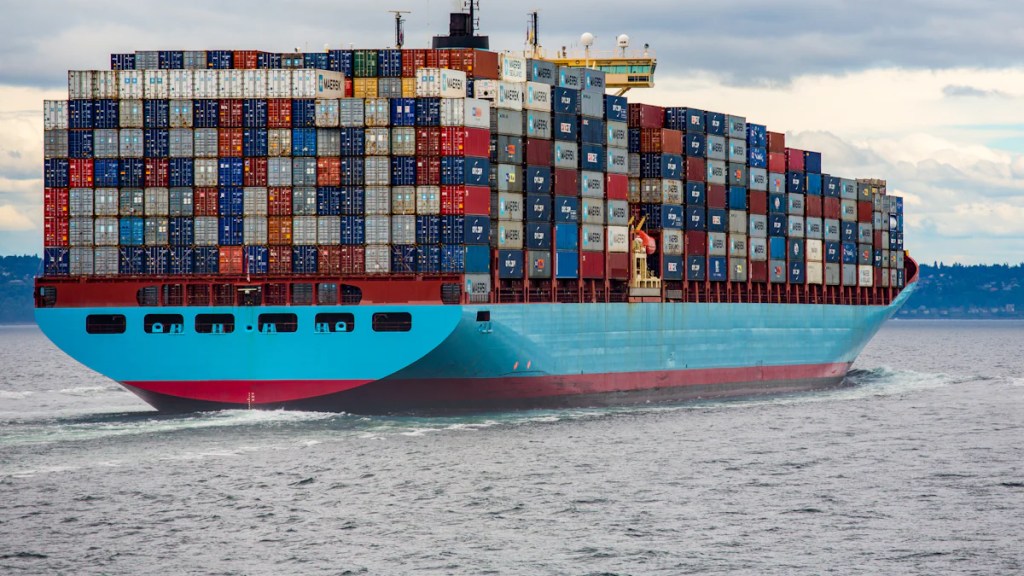
The sheer volume of sporting goods exported from China—from dumbbells to surfboards—makes ocean freight the most viable transport method. It allows companies to:
- Ship in bulk at lower costs
- Handle oversized and heavy cargo
- Maintain flexible schedules via major Chinese ports
- Enjoy comprehensive global coverage
Moreover, with global fitness trends booming, sea freight supports steady supply to markets like the USA, UK, and Australia while keeping logistics expenses under control.
2. How Does Sea Freight for Sporting Goods Work?
Shipping via sea freight follows a clear step-by-step process:
| Stage | Process | Description | Duration |
|---|---|---|---|
| 1 | Booking & Documentation | Choose a freight forwarder and prepare customs paperwork | 2–3 days |
| 2 | Cargo Pickup | Transport from factory to port (FCL/LCL) | 1–2 days |
| 3 | Export Customs Clearance | Submit packing list, invoice, HS code | 1–2 days |
| 4 | Sea Voyage | China → destination port | 20–35 days |
| 5 | Import Clearance | Local customs declaration and duty payment | 2–5 days |
| 6 | Final Delivery | Truck or rail transport to warehouse | 1–3 days |
Using trusted freight forwarders ensures smooth coordination between suppliers, ports, and customs authorities.
3. What Are the Main Ports Used for Sporting Goods Exports from China?
| Region | Key Port | Suitable Cargo | Highlights |
|---|---|---|---|
| East China | Shanghai, Ningbo | Bicycles, fitness gear | Largest export volume |
| South China | Shenzhen, Guangzhou | Surfboards, sportswear | Fast handling & connections |
| North China | Tianjin, Qingdao | Outdoor equipment | Ideal for European destinations |
Choosing the right port impacts shipping cost, transit time, and space availability during peak seasons.
4. How Much Does It Cost to Ship Sporting Goods by Sea from China?
| Mode | Average Cost (USD/CBM) | Best For | Advantages | Limitations |
|---|---|---|---|---|
| FCL (Full Container Load) | $2.5–$3.5 | Large shipments | Exclusive use, faster | Higher upfront cost |
| LCL (Less than Container Load) | $35–$50/CBM | Small or mixed cargo | Flexible, affordable | Slower handling |
| Express Sea (Fast Service) | $5–$6/CBM | E-commerce brands | Shorter transit | Limited capacity |
Prices fluctuate with seasonality, fuel rates, and destination surcharges. However, sporting goods sea freight from China remains up to 70% cheaper than air freight.
Are you ready to book?
Access live instant freight quotes
5. How Long Does It Take to Ship Sporting Goods from China by Sea?
Transit times vary due to port congestion, vessel schedules, and weather conditions. Planning ahead minimizes unexpected delays.
6. What Documents Are Required for Sporting Goods Sea Freight?
Proper documentation is essential for customs compliance.
| Document | Purpose | Issued By |
|---|---|---|
| Commercial Invoice | Declares goods’ value | Exporter |
| Packing List | Describes packaging details | Exporter |
| Bill of Lading | Confirms shipment ownership | Carrier |
| Certificate of Origin | Proof for tariff preferences | Chamber of Commerce |
| Import License | Authorizes product entry | Import authority |
| Insurance Certificate | Covers cargo risks | Insurer |
7. What Are the Advantages of Sea Freight for Sporting Goods?
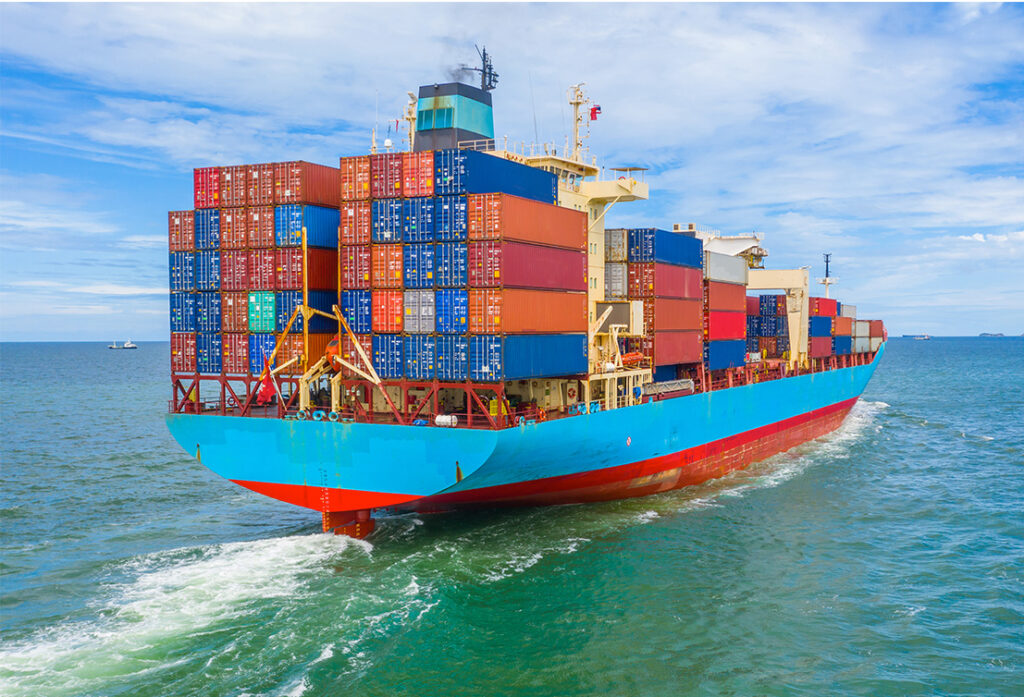
- Economical for Bulk Cargo: Sea shipping offers the lowest cost per kilogram for heavy items.
- Global Reach: Access to over 200 ports worldwide.
- Eco-Friendly: Lower CO₂ emissions compared to air freight.
- Scalable Solutions: Ideal for both small and large volumes.
- Comprehensive Safety: Containers protect goods from damage and theft.
Therefore, sporting goods sea freight from China ensures reliability and cost-effectiveness for international trade.
8. Are There Any Disadvantages or Challenges?
While sea freight is ideal for heavy goods, importers should consider:
- Longer transit times compared to air freight
- Peak-season congestion (especially before holidays)
- Complex customs regulations for mixed material goods
- Port handling charges that may vary by region
However, using experienced logistics partners minimizes these risks and ensures steady delivery schedules.
9. What Are the Packaging and Loading Best Practices?
Proper packaging prevents moisture damage and deformation.
Recommended Practices:
- Use waterproof wrapping for metal and foam-based goods.
- Reinforce boxes for heavy weights (like dumbbells).
- Clearly label each carton with HS codes and country of origin.
- Load evenly in containers to maintain balance.
| Container Type | Ideal Use | Capacity | Notes |
|---|---|---|---|
| 20FT | Smaller shipments | ~28 CBM | Cheaper for low volume |
| 40FT | Large orders | ~58 CBM | Common for bulk goods |
| 40HC | Oversized cargo | ~68 CBM | Best for lightweight, large items |
10. How to Calculate Total Shipping Costs for Sporting Goods?
The total cost involves multiple components:
Total Freight = Base Rate + Fuel Surcharge + Port Fees + Customs + Insurance + Delivery Charges
Factors like commodity type, port distance, and shipment volume affect final pricing. Requesting all-inclusive quotes ensures transparency and avoids hidden fees.
Conclusion
In summary, sporting goods sea freight from China provides a cost-efficient, secure, and eco-friendly logistics option for global retailers and importers. With proper planning, documentation, and the right freight partner, companies can maintain steady supply chains and achieve significant savings. For businesses aiming to balance cost and efficiency, sea freight remains the ultimate choice for sporting goods logistics in 2025 and beyond.
FAQ
1. Can I ship both large and small sporting goods together in one container?
Yes, mixed cargo loads are allowed. Your forwarder can consolidate multiple SKUs efficiently to save costs.
2. Do I need insurance for sporting goods sea freight?
Insurance is highly recommended to protect against damage, loss, or moisture-related issues during transit.
3. Which Incoterms are best for sea freight from China?
FOB (Free on Board) and CIF (Cost, Insurance & Freight) are most commonly used for sporting goods.
4. Are there restrictions on exporting branded sporting goods?
Yes, licensed or trademarked items require brand authorization or export approval to avoid seizure.
5. How early should I book sea freight space from China?
Book at least 2–3 weeks in advance during peak seasons to secure space and avoid surcharges.