

- By ayla tj
- November 3, 2025
- Logistics Guide
When importing tech products or gadgets, understanding how to ship electronics from China to USA efficiently is crucial. From selecting the right freight method to clearing customs smoothly, choosing the correct logistics strategy saves time, reduces costs, and ensures compliance.
1. Why Is China the Leading Source for Electronics Exports?
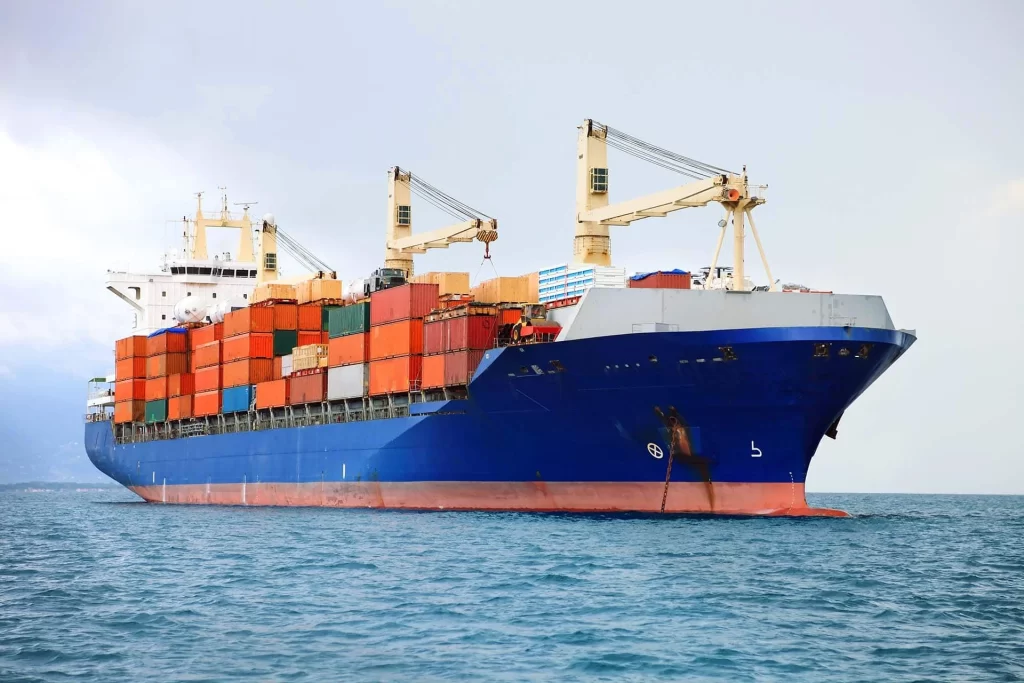
China dominates global electronics manufacturing, producing everything from smartphones to circuit boards. The country’s advanced supply chain, affordable labor, and modern port infrastructure make it the preferred source for U.S. importers.
Moreover, with strong e-commerce growth and OEM production capacity, the China-to-USA electronics trade continues to expand rapidly across both B2B and B2C channels.
2. What Are the Main Shipping Methods for Electronics from China to USA?
| Shipping Mode | Average Transit Time | Cost (USD/kg or CBM) | Best For | Pros | Cons |
|---|---|---|---|---|---|
| Air Freight | 3–7 days | $6–$12/kg | High-value goods | Fast, secure | Costly |
| Sea Freight (FCL/LCL) | 25–40 days | $2–$5/kg | Bulk shipments | Affordable, scalable | Slower |
| Express Courier (DHL/UPS/FedEx) | 2–5 days | $8–$15/kg | Small parcels | Quick customs | Expensive for volume |
| Rail + Sea Multimodal | 20–25 days | $4–$6/kg | Mid-volume cargo | Balanced option | Limited routes |
Are you ready to book?
Access live instant freight quotes
3. How Does the Sea Freight Process Work for Electronics?
Sea freight remains the most common choice for large shipments.
| Step | Description | Duration |
|---|---|---|
| 1. Supplier Coordination | Packaging and labeling electronics for export | 2–3 days |
| 2. Booking Shipment | Freight forwarder reserves space on vessel | 1–2 days |
| 3. Export Clearance | Submission of export declaration and CIQ inspection | 1–3 days |
| 4. Sea Transit | From Shanghai, Ningbo, or Shenzhen to U.S. ports | 20–30 days |
| 5. Import Customs | Declaration, inspection, duty payment | 2–5 days |
| 6. Final Delivery | Warehouse or FBA fulfillment center | 1–3 days |
Using experienced freight forwarders simplifies each step, ensuring all electronics shipments comply with international trade regulations.
4. What Are the Top U.S. Ports for Electronics Imports?
| Port | Location | Key Advantage |
|---|---|---|
| Port of Los Angeles | California | Fastest for West Coast deliveries |
| Port of Long Beach | California | Handles large tech shipments |
| Port of New York/New Jersey | East Coast | Ideal for Eastern states |
| Port of Savannah | Georgia | Efficient customs processing |
| Port of Seattle | Washington | Convenient for Pacific trade routes |
Selecting the right destination port shortens inland transport time and reduces costs.
5. What Documents Are Required to Ship Electronics from China?
| Document | Purpose | Who Issues It |
|---|---|---|
| Commercial Invoice | Declares product value | Exporter |
| Packing List | Describes packaging & quantity | Exporter |
| Bill of Lading (B/L) | Contract of carriage | Carrier |
| Certificate of Origin | Confirms manufacturing country | Chamber of Commerce |
| Importer Security Filing (ISF) | U.S. Customs pre-notification | Importer |
| FCC Declaration | Ensures compliance with U.S. electrical standards | Manufacturer |
| Insurance Certificate | Protects against damage/loss | Insurance provider |
Ensuring documentation accuracy is critical, especially since U.S. Customs and Border Protection (CBP) has strict requirements for electronic goods.
6. What Customs Regulations Apply to Electronics Imports?
When learning how to ship electronics from China to USA, compliance with customs and regulatory standards is essential.
Key considerations include:
- HS Codes: Correct classification determines duty rates.
- FCC Certification: Required for all electronic devices emitting radio frequencies.
- RoHS & CE Compliance: Demonstrates safety and environmental standards.
- Import Duty & Tariffs: Typically range from 0–5%, depending on the product category.
Failure to meet any of these requirements can lead to costly delays or seizure of goods.
7. How to Choose Between Air, Sea, or Express Shipping?

| Criteria | Air Freight | Sea Freight | Express Courier |
|---|---|---|---|
| Speed | Fastest | Slowest | Fast |
| Cost | High | Low | Highest per kg |
| Volume | Small–Medium | Large | Small parcels |
| Security | Excellent | Good | Excellent |
| Customs | Streamlined | Complex | Pre-cleared |
Air freight suits lightweight, valuable items like smartphones, while sea freight works best for large orders of monitors, cables, or hardware components.
8. How to Estimate Shipping Costs for Electronics?
To calculate your shipment cost:
Total Cost = Freight Rate + Customs Duty + Port Charges + Insurance + Delivery Fees
Example:
| Factor | Description | Cost Estimate |
|---|---|---|
| Freight (LCL) | $35/CBM × 10 CBM | $350 |
| Customs Duty | 3% on $10,000 goods | $300 |
| Port & Handling | Loading/unloading fees | $200 |
| Insurance | 1% of goods value | $100 |
| Domestic Delivery | Trucking to warehouse | $250 |
| Total Estimated Cost | $1,200 |
9. How Long Does It Take to Ship Electronics from China to USA?
| Mode | Average Transit Time | Recommended Use |
|---|---|---|
| Air Freight | 3–7 days | Urgent, lightweight shipments |
| Sea Freight | 25–40 days | Large volume, cost-sensitive cargo |
| Express Courier | 2–5 days | E-commerce parcels |
| Rail-Sea Combined | 20–25 days | Balanced time and cost option |
Transit times depend on departure port, U.S. destination, and carrier capacity.
10. What Are the Packaging and Safety Requirements?
Electronics are fragile and sensitive to moisture, temperature, and vibration.
Best Practices:
- Use anti-static bubble wrap and foam padding.
- Add fragile and “this side up” labels.
- Use double-corrugated boxes for extra protection.
- Avoid overloading containers.
| Container Type | Capacity | Ideal For |
|---|---|---|
| 20FT | 28 CBM | Small batch electronics |
| 40FT | 58 CBM | Standard large shipments |
| 40HQ | 68 CBM | Lightweight bulky items |
Conclusion
Understanding how to ship electronics from China to USA is vital for successful importing. With the right mode of transport, documentation, and compliance strategy, businesses can save on costs, avoid customs issues, and ensure timely delivery. Whether you’re a wholesaler or e-commerce seller, partnering with a reliable freight forwarder simplifies every step—making international trade both secure and profitable.
FAQ
1. Can I ship lithium batteries with my electronics?
Yes, but they require special handling and labeling under IATA and IMDG regulations to ensure safety during transport.
2. What is the best Incoterm for electronics shipments?
FOB (Free on Board) and CIF (Cost, Insurance & Freight) are most commonly used for electronics shipping from China.
3. Are there restrictions on refurbished electronics imports?
Yes, used or refurbished items may need additional inspection and FCC approval before entering the U.S.
4. How can I track my shipment in real-time?
Freight forwarders provide digital tracking platforms showing every transit stage—from loading in China to delivery in the U.S.
5. Do I need a U.S. customs broker?
Yes, if you’re not experienced with U.S. customs regulations, a licensed broker ensures smooth clearance and compliance.