

- By ayla tj
- November 3, 2025
- Logistics Guide
Shipping food internationally requires speed, compliance, and precision. The fastest way to ship food products from China to Europe depends on your product type, shelf life, and logistics priorities. While air freight remains the top choice for perishable goods, multimodal and express rail solutions are redefining how quickly and efficiently Chinese exporters reach European markets.

1. Why Speed Matters in Shipping Food Products from China to Europe
Food exports demand timely delivery to maintain freshness, safety, and market value. Therefore, businesses shipping perishables such as seafood, fruits, dairy, and frozen goods must minimize transit time. Europe’s strict food import regulations also require well-coordinated logistics to avoid costly delays at customs or cold chain interruptions.
2. What Is the Fastest Way to Ship Food Products from China to Europe?
The fastest method is air freight, offering 3–7 days of transit time from major Chinese airports like Shanghai, Guangzhou, or Shenzhen to European destinations such as London, Frankfurt, or Paris. However, express rail freight has emerged as a competitive alternative, combining speed with lower cost for semi-perishable items.
| Shipping Mode | Transit Time | Average Cost/kg | Ideal for |
|---|---|---|---|
| Air Freight | 3–7 days | $3–$8 | Perishables, seafood, frozen foods |
| Rail Freight | 12–18 days | $1.5–$2.5 | Semi-perishable goods, snacks |
| Sea Freight | 25–40 days | $0.5–$1 | Non-perishables, canned goods |
| Multimodal (Air + Rail) | 10–14 days | $2–$3 | Balanced cost and time |
3. How Does Air Freight Ensure Food Freshness and Compliance?
Air freight is the fastest way to ship food products from China to Europe because it maintains strict cold chain management. Specialized temperature-controlled containers, pre-cooling warehouses, and real-time tracking systems protect sensitive cargo throughout transit.
Moreover, certified airlines provide priority handling for fresh and frozen foods. Compliance with international standards such as IATA’s “Perishable Cargo Regulations (PCR)” ensures safety and efficiency.
4. Can Rail Freight Compete with Air for Food Shipping?
Yes—modern China-Europe rail freight offers temperature-controlled containers and door-to-door delivery across more than 15 European countries. Although slower than air freight, rail transport is 40–60% cheaper and still significantly faster than ocean freight.
Additionally, express rail corridors like Chongqing–Duisburg or Xi’an–Warsaw allow transit in as little as 12 days, making them ideal for packaged foods, snacks, beverages, and condiments.
| Route | Transit Time | Temperature Control Available | Suitable Products |
|---|---|---|---|
| Chongqing–Duisburg | 12–15 days | Yes | Coffee, biscuits, instant noodles |
| Yiwu–Madrid | 16–18 days | Yes | Dry foods, sauces |
| Chengdu–Warsaw | 13–16 days | Yes | Tea, canned fruit |
Are you ready to book?
Access live instant freight quotes
5. What Customs Requirements Apply for Shipping Food to Europe?
Food products must comply with EU import standards, including labeling, sanitary certifications, and origin documentation. Therefore, exporters should work with a licensed customs broker and ensure all documentation is accurate.
| Document | Purpose | Issued By |
|---|---|---|
| Commercial Invoice | Declares value and content | Exporter |
| Health Certificate | Ensures product safety | AQSIQ / CIQ China |
| Certificate of Origin | Confirms product source | Chamber of Commerce |
| Packing List | Lists product details | Exporter |
| Import License | Required for regulated foods | Importer |
| Bill of Lading / AWB | Proof of shipment | Carrier |
6. What Are the Cost Factors When Shipping Food Products to Europe?
Shipping cost depends on weight, product type, and transport mode. Air freight charges by weight or volume (whichever is higher), while sea freight uses container rates. Cold chain management, customs fees, and insurance also influence total costs.
| Cost Component | Description | Average Impact |
|---|---|---|
| Freight Rate | Per kg or per container | 40–60% |
| Cold Chain Fee | Refrigeration or frozen handling | 10–20% |
| Customs & Taxes | Duties and VAT in EU | 10–15% |
| Insurance | Based on product value | 1–3% |
| Handling & Warehousing | Storage and repackaging | 5–10% |
7. How to Ensure Food Safety During Long-Distance Shipping?
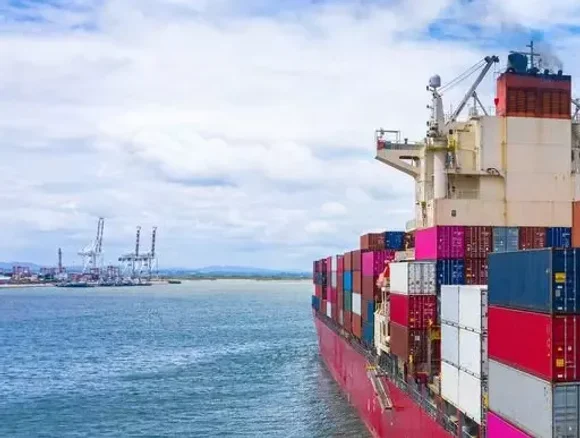
Maintaining consistent temperature and hygiene is vital. Exporters must use refrigerated containers, pre-cooling systems, and GPS-enabled trackers. Furthermore, partnering with experienced freight forwarders ensures all compliance and temperature data are properly monitored from China to Europe.
Key Tips:
- Use reefer containers for frozen goods.
- Monitor temperature via IoT devices.
- Schedule customs pre-clearance to reduce border delays.
8. What Are the Benefits of Multimodal Shipping for Food Exports?
Multimodal transport—combining air, rail, and road—balances cost and time efficiency. For example, goods can move by rail to Poland and then by truck to Germany or France, saving 20–30% versus direct air freight. This method ensures flexibility, reduced risk of spoilage, and compliance with European temperature control standards.
9. Which Ports and Airports Are Commonly Used for Food Exports?
Top export hubs in China include:
- Shanghai Pudong International Airport – Fast air routes to Europe.
- Guangzhou Baiyun Airport – Specialized perishable handling terminal.
- Shenzhen Port / Ningbo Port – Key sea freight terminals.
Top entry points in Europe:
- Frankfurt Airport (Germany) – Largest air freight hub.
- Rotterdam Port (Netherlands) – Major container gateway.
- Hamburg & Antwerp – Efficient cold chain facilities.
| Route Type | Departure | Destination | Transit Time |
|---|---|---|---|
| Air | Shanghai → Frankfurt | 3–5 days | |
| Rail | Chengdu → Warsaw | 14 days | |
| Sea | Shenzhen → Rotterdam | 30–35 days |
10. Should Small Exporters Use Freight Forwarders or Handle Logistics Themselves?
For food exporters, using an experienced freight forwarder ensures compliance with EU regulations, efficient cold chain management, and better shipping rates. Handling logistics independently increases the risk of delays, spoilage, and customs rejections.
Professional forwarders like ChinaTopFreight provide door-to-door services, real-time tracking, and customs clearance—ensuring that your food products arrive fresh and on time.
Conclusion
The fastest way to ship food products from China to Europe depends on your product category, shelf life, and budget. Air freight remains unmatched for speed, while rail and multimodal options provide a cost-efficient balance for semi-perishables. By working with a professional logistics partner and maintaining strict cold chain standards, businesses can ensure food arrives fresh, compliant, and on schedule—strengthening their reputation in Europe’s demanding markets.
FAQ
1. What is the average shipping time for frozen food to Europe?
Air freight takes 3–5 days, while rail freight delivers frozen or dry goods in about 12–16 days, depending on the destination.
2. Which European countries import the most Chinese food products?
Germany, France, the Netherlands, and Spain are top destinations for Chinese food products due to high consumer demand and efficient logistics hubs.
3. Do I need special permits to ship food to the EU?
Yes, exporters must provide sanitary certificates, health documents, and comply with EU food safety regulations before shipment.
4. Can I ship small quantities of food by express courier?
Yes, for small samples or e-commerce goods, couriers like DHL or FedEx provide temperature-controlled express delivery in 3–5 days.
5. What are the main risks of shipping perishable food by sea?
Long transit time, temperature fluctuations, and port delays can cause spoilage or loss of freshness without adequate refrigeration.