

- By ayla tj
- November 3, 2025
- Logistics Guide
Handling customs clearance China to Japan efficiently is crucial for businesses involved in trade between the two major Asian economies. With Japan’s strict import regulations and China’s export standards, understanding the process ensures smooth logistics, reduced costs, and timely deliveries. This guide explains procedures, documents, shipping options, and tips for avoiding costly delays.
1. What Is Customs Clearance Between China and Japan?
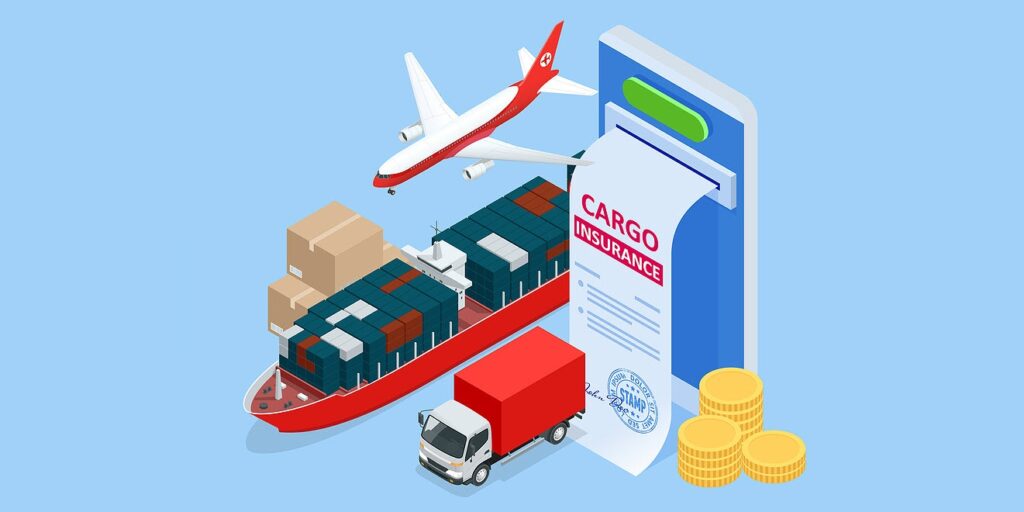
Customs clearance is the legal process of preparing and submitting documentation for importing or exporting goods between China and Japan. It ensures that products meet both countries’ regulatory standards and that all taxes, duties, and tariffs are properly paid.
Efficient customs clearance China to Japan prevents shipment detention, penalties, and delays — helping maintain consistent supply chains across East Asia.
2. Why Is Customs Clearance So Important for China–Japan Trade?
China and Japan share one of the world’s busiest bilateral trade routes, involving electronics, machinery, textiles, auto parts, and food products. However, both customs authorities enforce strict inspection procedures. Therefore, businesses must ensure accurate documentation, correct product classification, and proper labeling to avoid rejections or fines.
Moreover, quick clearance enables companies to meet production deadlines and retail demands in Japan’s fast-moving consumer market.
3. What Documents Are Required for Customs Clearance China to Japan?
Proper documentation is key to passing Japanese customs inspection without delays. Below is a checklist of essential paperwork.
| Document | Purpose | Issued By |
|---|---|---|
| Commercial Invoice | Declares value and product details | Exporter |
| Packing List | Itemized shipment details | Exporter |
| Bill of Lading / Air Waybill | Transport proof | Carrier |
| Certificate of Origin | Confirms product source | Chamber of Commerce |
| Import Declaration Form | Required by Japan Customs | Importer |
| Fumigation Certificate | For wooden packaging | Inspection authority |
| Quarantine Certificate | For food or agricultural items | CIQ / Customs |
| Insurance Certificate | Coverage for loss/damage | Insurer |
Tip: Use English or Japanese translations for invoices and product descriptions to simplify inspection.
4. How Long Does Customs Clearance Take from China to Japan?
The duration depends on transport mode, product type, and documentation accuracy.
| Shipping Mode | Customs Clearance Time | Total Transit Time |
|---|---|---|
| Air Freight | 1–2 days | 3–6 days |
| Sea Freight (FCL) | 2–4 days | 10–18 days |
| Sea Freight (LCL) | 3–5 days | 15–22 days |
| Courier / Express | 1 day | 2–4 days |
Electronic goods and perishable items may require additional inspection, adding 1–2 days to clearance time.
5. What Are the Main Shipping Methods from China to Japan?
| Mode | Transit Time | Cost Level | Best For | Pros | Cons |
|---|---|---|---|---|---|
| Air Freight | 3–6 days | High | Urgent or high-value cargo | Fast, reliable | Expensive |
| Sea Freight (FCL/LCL) | 10–22 days | Low | Bulk shipments | Cost-efficient | Slower |
| Courier (DHL, FedEx, EMS) | 2–4 days | High | Small parcels | Door-to-door | Limited weight |
| Rail Freight (via multimodal) | 12–16 days | Medium | Industrial goods | Eco-friendly | Limited routes |
Are you ready to book?
Access live instant freight quotes
6. How Are Customs Duties and Taxes Calculated in Japan?
Duties are based on the CIF (Cost, Insurance, and Freight) value, which includes product cost, shipping, and insurance.
| Tax Type | Rate | Description |
|---|---|---|
| Import Duty | 0–20% | Varies by product type |
| Consumption Tax | 10% | Applied to imported goods |
| Tariff Reduction | Available | Under China–Japan trade agreements |
7. What Are the Common Challenges in Customs Clearance China to Japan?
- Incomplete documents: Missing invoices or incorrect HS codes cause delays.
- Language barriers: Japanese customs prefers documents in English or Japanese.
- Restricted goods: Some chemicals, batteries, and agricultural products require special permits.
- Misdeclared value: Leads to additional inspections or fines.
However, experienced freight forwarders minimize these risks by reviewing documentation and coordinating pre-clearance procedures.
8. How to Ensure Smooth Customs Clearance Between China and Japan?
To guarantee hassle-free clearance:
- Classify products under correct HS codes.
- Hire a licensed customs broker in Japan.
- Verify trade compliance (especially for electronics and cosmetics).
- Prepare digital copies of all documents.
- Use pre-clearance systems for recurring shipments.
Additionally, using AEO (Authorized Economic Operator) certified logistics providers speeds up inspection and reduces random checks.
9. What Are the Differences Between Export and Import Customs Procedures?
| Process | China (Export) | Japan (Import) |
|---|---|---|
| Declaration | Via China Customs System | Japan NACCS system |
| Inspection | Random sampling | Detailed inspection for restricted goods |
| Taxes | Export VAT rebate (if eligible) | Import duty + consumption tax |
| Documentation | CIQ + Invoice + B/L | Invoice + Packing List + Declaration |
| Clearance Time | 1–2 days | 1–4 days |
Exporters must provide accurate product codes and declaration forms, while importers ensure tax payment and compliance with Japanese product standards.
10. Can Small Businesses Handle Customs Clearance Themselves?
Technically, yes—but it’s not recommended. Customs procedures in Japan are strict and require detailed filings in Japanese systems.
Therefore, small or medium businesses should use freight forwarders or customs agents to handle the process. These professionals ensure compliance, negotiate duties, and prevent shipment delays caused by documentation errors.
Conclusion
Smooth and compliant customs clearance China to Japan is essential for successful cross-border trade. By preparing accurate documentation, choosing the right shipping method, and collaborating with certified customs brokers, importers and exporters can minimize costs, avoid delays, and maintain steady trade flow. Whether you’re shipping electronics, machinery, or apparel, professional clearance management ensures your cargo arrives safely, quickly, and within regulation.
FAQ
1. How long does customs clearance take in Japan?
Usually 1–3 days for air freight and 3–5 days for sea shipments, depending on product type and documentation accuracy.
2. Do I need an import license to ship goods to Japan?
Yes, certain categories like food, cosmetics, and chemicals require import licenses or product registration with Japanese authorities.
3. What happens if my shipment fails inspection?
It may be detained, returned, or destroyed if found non-compliant. Corrections can be made by resubmitting proper documentation.
4. Can I pre-clear shipments before arrival in Japan?
Yes, pre-arrival declaration systems allow importers to submit documents before cargo arrives, shortening clearance time.
5. Are there restricted products for import to Japan?
Yes, firearms, narcotics, hazardous materials, and counterfeit goods are prohibited under Japanese customs law.