

- By ayla tj
- November 4, 2025
- Logistics Guide
Importing footwear from China to the UK has become a strategic choice for many fashion retailers. Choosing shoes sea freight China to UK offers a balance between cost-efficiency and reliability. This guide explores everything from shipping costs and transit times to customs documentation, ensuring your shipments arrive smoothly and profitably.

1. Why Choose Shoes Sea Freight from China to the UK?
Sea freight remains the most economical way to transport large volumes of shoes. Compared to air freight, it provides greater capacity at lower costs. Moreover, sea routes between China and the UK are well-established, serving ports such as Shanghai, Ningbo, and Shenzhen to Felixstowe, Southampton, and London Gateway.
Key Advantages:
- Lower cost per unit for bulky cargo like footwear.
- Eco-friendly option compared to air transport.
- Ideal for non-urgent shipments with flexible lead times.
2. How Long Does Sea Freight from China to the UK Take?
Transit time for shoes sea freight China to UK varies based on the origin and route. Typically, full container loads (FCL) take 25–40 days, while less-than-container loads (LCL) may take slightly longer due to consolidation.
| Shipping Route | Transit Time (Days) | Frequency | Port Examples |
|---|---|---|---|
| Shanghai → Felixstowe | 28–32 | Weekly | Major shoe exports |
| Shenzhen → Southampton | 30–35 | Weekly | South China footwear |
| Ningbo → London Gateway | 32–38 | Bi-weekly | Mixed footwear cargo |
| Qingdao → Liverpool | 35–40 | Weekly | Northern UK distribution |
Tip: Allow an additional 5–7 days for customs clearance and inland delivery to UK warehouses.
3. What Are the Shipping Costs for Shoes from China to the UK?
Freight rates depend on the shipping method, volume, and season. However, sea freight is far cheaper than air for heavy goods like shoes.
| Shipping Method | Estimated Cost (USD/CBM) | Transit Time | Pros | Cons |
|---|---|---|---|---|
| Sea (FCL) | $35–$55 | 25–35 days | Best for bulk cargo | Longer lead time |
| Sea (LCL) | $70–$90 | 30–40 days | Flexible for small loads | Slower consolidation |
| Air Freight | $6–$9 per kg | 5–8 days | Fastest method | Costly for shoes |
| Rail Freight | $120–$150/CBM | 20–25 days | Balanced speed & price | Limited routes |
Note: Rates fluctuate with fuel surcharges and seasonal demand (especially pre-Christmas and summer fashion seasons).
What are you waiting for?
Contact chinatopfreight for a fast, free quote.
Are you ready to book?
Access live instant freight quotes
4. How to Calculate Sea Freight Costs for Shoe Imports
Calculating the total shipping cost involves more than just the freight rate. You should also include:
- Ocean freight charges (FCL/LCL)
- Port handling & documentation fees
- Customs duties & VAT
- Inland delivery to warehouse
- Insurance and packing costs
Formula:Total Cost = Freight Rate × Volume (CBM) + Port Fees + Duties + Delivery Charges
5. What Documents Are Needed for Shoe Imports into the UK?
Importing footwear requires compliance with customs documentation to ensure smooth clearance.
| Document Type | Description |
|---|---|
| Bill of Lading (B/L) | Confirms ownership and shipment details |
| Commercial Invoice | Declares product value and origin |
| Packing List | Details carton quantity and size |
| Certificate of Origin | Verifies manufacturing country |
| Import License (if required) | For branded or restricted footwear |
| UK EORI Number | Mandatory for customs entry |
| Shoe Material Declaration | Required for customs classification |
6. What Are the Customs Duties for Shoes Imported from China to the UK?
The UK applies import duties and VAT (20%) on shoes from China. Duty rates depend on shoe material and type.
| Shoe Type | Customs Duty (%) | HS Code Example | Remarks |
|---|---|---|---|
| Leather Shoes | 8–17% | 6403.51 | Depends on upper material |
| Textile Shoes | 16–17% | 6404.19 | Common in sports footwear |
| Rubber/Plastic Shoes | 8–12% | 6402.99 | For casual or rain shoes |
| Safety Footwear | 8% | 6401.10 | Industrial use |
Tip: Work with a UK customs broker to classify your products correctly and avoid overpaying duties.
7. How to Pack Shoes for Safe Sea Shipping
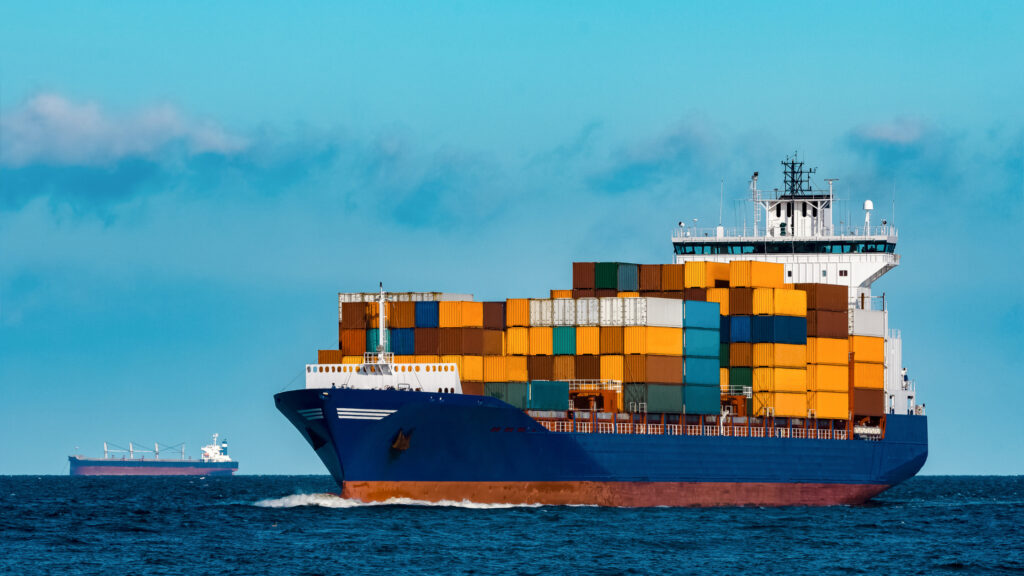
Proper packaging is vital to protect shoes during the long journey.
- Use durable cartons with moisture-proof liners.
- Avoid overpacking, which can crush shoe boxes.
- Use pallets and shrink wrap for FCL shipments.
- Mark each carton with SKU, PO, and “Made in China” labels.
Additionally, consider fumigation if shipping wooden pallets to comply with ISPM 15 standards.
8. How to Choose Between FCL and LCL for Shoe Shipping
| Factor | FCL (Full Container Load) | LCL (Less than Container Load) |
|---|---|---|
| Volume | Over 15 CBM | Under 15 CBM |
| Cost | Lower per unit | Higher per CBM |
| Security | Exclusive container | Shared with others |
| Speed | Faster | Slower consolidation |
| Ideal For | Large orders | Small/medium batches |
9. Common Challenges in Shoes Sea Freight and How to Avoid Them
a. Delays Due to Port Congestion
Book shipments early during peak seasons and choose flexible routes.
b. Incorrect Customs Classification
Use precise HS codes and consult freight experts.
c. Poor Packaging
Ensure cartons are moisture-resistant and labeled correctly.
d. Inaccurate Weight or Volume Declaration
Always verify CBM and gross weight to prevent unexpected charges.
10. How to Ensure Smooth Door-to-Door Shoes Sea Freight
A door-to-door sea freight service from China to the UK simplifies the entire process. Your freight forwarder handles pickup, customs, shipping, and delivery to your UK address.
Typical Route:Factory Pickup → Export Clearance → Sea Freight → UK Customs → Delivery to Warehouse
Benefits:
- End-to-end visibility
- One-stop billing
- Time-saving and hassle-free
Conclusion
Choosing shoes sea freight China to UK is the smartest strategy for cost-effective bulk shipping. While transit times are longer than air freight, the savings and scalability make it ideal for footwear importers. By understanding costs, customs, and packaging requirements, you can ensure timely and compliant deliveries to the UK market.
FAQ
1. What is the average cost of shipping shoes by sea from China to the UK?
The average cost ranges from $35 to $90 per CBM, depending on shipment size, route, and seasonal rates.
2. How many pairs of shoes fit in a 20ft container?
A 20ft container can typically hold 4,000–5,000 pairs of standard boxed shoes, depending on packaging and shoe size.
3. Do I need an import license to ship shoes to the UK?
Generally, no license is required for most shoes, but branded or restricted footwear may need special authorization.
4. What are common UK ports for shoe imports?
Major ports include Felixstowe, Southampton, and London Gateway, all offering strong customs and warehousing facilities.
5. Can I track my shoe shipment from China to the UK?
Yes, most freight forwarders provide real-time tracking through digital platforms or bill of lading reference numbers.