

- By kelly
- November 4, 2025
- Logistics Guide
Reliable Customs Clearance from Shenzhen to France
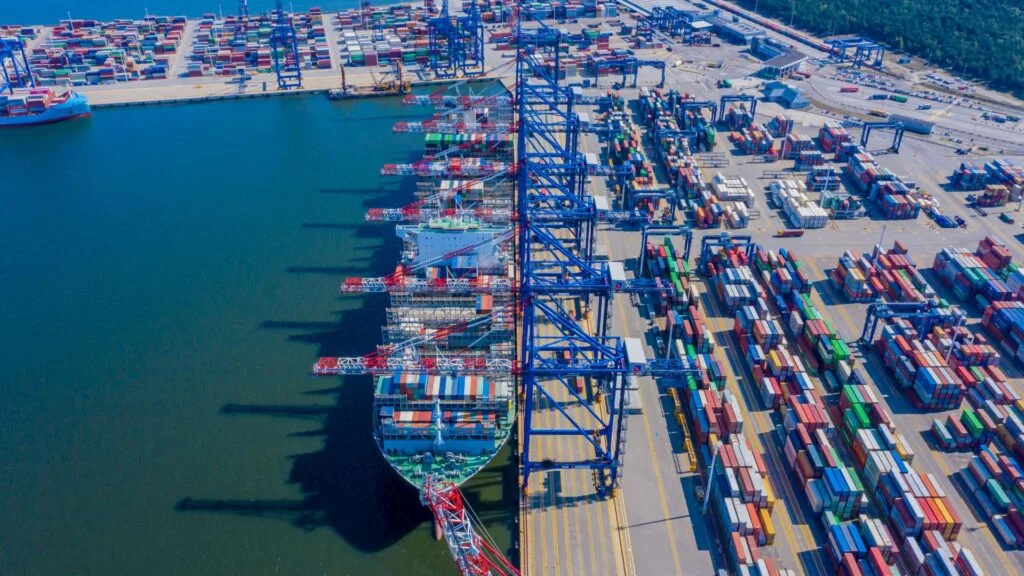
Efficient logistics begin with reliable customs clearance from Shenzhen to France. For importers, delayed or incorrect documentation can cause costly shipment holds. Partnering with an experienced freight forwarder like ChinaTopFreight ensures your goods pass smoothly through Chinese and French customs. This guide explains everything — procedures, costs, required documents, and best practices for smooth clearance.
1. What Is Customs Clearance and Why Is It Important?
Customs clearance is the process of preparing and submitting required documents to authorize goods’ entry or exit from a country.
It ensures that:
- Duties and taxes are correctly assessed
- Goods comply with import/export regulations
- Trade statistics remain accurate
Without proper customs management, your cargo may face delays, fines, or even confiscation. Therefore, working with reliable agents streamlines trade between Shenzhen and France.
2. How Does Customs Clearance Work Between Shenzhen and France?
The process involves both export clearance in China and import clearance in France.
| Stage | Location | Key Steps |
|---|---|---|
| Export Clearance | Shenzhen, China | Submit export declaration, HS code classification, obtain inspection certificates |
| Transit/Shipping | Air, Sea, or Rail | Provide Bill of Lading (B/L) or Air Waybill (AWB) |
| Import Clearance | France (e.g., Le Havre, Marseille, Paris CDG) | File import declaration, pay VAT and duties, inspection if needed |
This streamlined process, when handled by professionals, typically takes 1–3 days for export and 2–5 days for import depending on the transport mode.
3. What Documents Are Required for Customs Clearance?
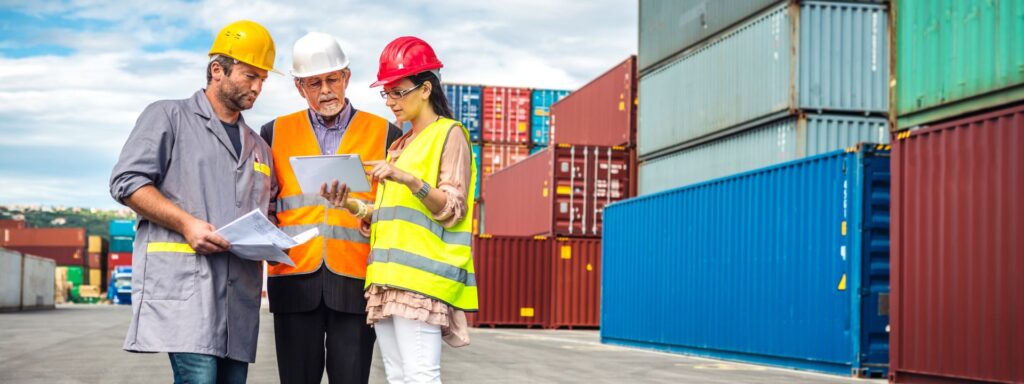
Accurate documentation ensures efficient clearance and avoids unnecessary inspections.
| Document Name | Purpose |
|---|---|
| Commercial Invoice | Declares product value and buyer/seller details |
| Packing List | Describes item quantity, dimensions, and weight |
| Bill of Lading / Air Waybill | Acts as transport contract and proof of shipment |
| Certificate of Origin | Determines tariff rates |
| Import Declaration | Filed by French importer to customs authority |
| Insurance Certificate | Provides cargo protection during transit |
Tip: Double-check HS codes and declared values, as errors can trigger audits or fines.
4. What Are the Common Shipping Methods from Shenzhen to France?
| Mode | Transit Time | Cost Range (USD/kg or per container) | Best For |
|---|---|---|---|
| Air Freight | 3–7 days | $4–$7/kg | Urgent or high-value goods |
| Sea Freight (FCL/LCL) | 25–40 days | $1,500–$3,000 per container | Bulk shipments |
| Rail Freight | 15–22 days | $2–$4/kg | Medium-volume goods |
| Express Courier | 3–5 days | $6–$10/kg | Small parcels, e-commerce |
Choosing the right mode depends on budget, urgency, and cargo volume.
5. How Are Customs Duties and Taxes Calculated in France?
France follows the EU Common Customs Tariff (CCT). Duties are based on the CIF value (Cost + Insurance + Freight).
| Tax Type | Calculation Base | Typical Rate |
|---|---|---|
| Import Duty | CIF Value | 0–20% depending on HS code |
| VAT (Value Added Tax) | CIF + Duty | 20% standard rate |
| Excise Duty | Specific products (alcohol, tobacco) | Varies |
Example:
If CIF value = €10,000 and duty = 10%, then VAT = (10,000 + 1,000) × 20% = €2,200.
6. What Are the Main Customs Challenges When Shipping to France?
Importers often encounter obstacles such as:
- Incorrect HS codes: Misclassification causes overpayment or penalties.
- Incomplete documentation: Missing certificates delay customs clearance.
- Random inspections: May increase delivery time by 1–3 days.
- VAT registration issues: EU importers must have valid EORI numbers.
However, a reliable freight forwarder manages all formalities, ensuring accurate filing and compliance.
7. How Long Does Customs Clearance Take in France?
The clearance timeline depends on shipment type and completeness of documents.
| Shipping Mode | Customs Duration | Additional Notes |
|---|---|---|
| Air Freight | 1–2 days | Fastest option via Paris CDG |
| Sea Freight | 2–5 days | Depends on port congestion |
| Rail Freight | 2–3 days | Efficient for east-west trade routes |
| Courier | Within 24 hours | Automated system for low-value goods |
Smooth documentation and digital declarations reduce delays by up to 40%.
8. Air vs. Sea vs. Rail Freight: Which Is Best for Your Shipment?
| Factor | Air Freight | Sea Freight | Rail Freight |
|---|---|---|---|
| Speed | Fastest | Slowest | Moderate |
| Cost | High | Low | Medium |
| Carbon Emissions | Moderate | Low | Lower than air |
| Volume Capacity | Limited | Very large | Medium |
| Customs Processing | Simplified | Standard | Simplified |
| Ideal For | Urgent, high-value goods | Bulk, non-urgent cargo | Balanced cost and speed |
For time-sensitive goods like electronics or fashion items, air freight is ideal, while sea freight fits large, non-urgent cargo.
9. What Role Does a Customs Broker Play in the Process?
A customs broker acts as your representative during import/export clearance. Their tasks include:
- Filing import/export declarations
- Verifying compliance with EU regulations
- Calculating duties and VAT
- Coordinating with customs authorities
Working with a reliable broker in Shenzhen and France ensures end-to-end documentation and transparency throughout the logistics chain.
10. How to Ensure Reliable Customs Clearance from Shenzhen to France
Follow these best practices to prevent issues:
- Prepare documents early: Review invoices, HS codes, and packing lists before shipment.
- Verify product compliance: Some goods require CE certification or sanitary approval.
- Monitor shipment in real time: Use digital tracking to anticipate customs processing.
- Use experienced forwarders: Their network in China and France reduces bureaucratic delays.
- Opt for pre-clearance services: Pre-approve your import data before cargo arrival.
11. How Does Shenzhen’s Export System Simplify the Process?
Shenzhen Customs uses an advanced Single Window System integrating export declaration, inspection, and clearance digitally.
- Faster electronic submissions
- Integrated inspection scheduling
- Real-time cargo release updates
This system improves transparency and reduces paperwork, allowing exporters to complete filings within 24 hours.
12. Common Mistakes to Avoid During Customs Clearance
- Declaring incorrect value to minimize duties
- Using incomplete packing details
- Missing product certifications (e.g., CE, RoHS)
- Ignoring import restrictions on food or chemicals
- Forgetting to update EORI or VAT registration
Avoiding these errors ensures reliable customs clearance from Shenzhen to France without shipment delays.
📦Get a Free Quote
Looking for a seamless customs experience?
Partner with ChinaTopFreight for reliable customs clearance from Shenzhen to France. Our experts handle everything — documentation, tariff classification, VAT calculation, and compliance — so your goods move smoothly across borders. Contact us now for a fast and transparent quote.
❓ Frequently Asked Questions
1. How long does customs clearance take from Shenzhen to France?
Typically, export clearance takes 1–3 days in China, and import clearance in France requires another 2–5 days depending on documentation.
2. What documents do I need for customs clearance?
You’ll need a commercial invoice, packing list, Bill of Lading or Air Waybill, Certificate of Origin, and import declaration.
3. Who pays customs duties and VAT in France?
Usually, the importer in France is responsible for paying customs duties and VAT based on CIF value.
4. Can I handle customs clearance myself?
Yes, but hiring a licensed customs broker is recommended to avoid errors, penalties, or shipment delays.
5. How are customs duties calculated?
They are based on the product’s HS code, CIF value, and origin country under EU customs tariff rules.
Conclusion
In conclusion, reliable customs clearance from Shenzhen to France is the backbone of smooth international trade. Whether shipping by air, sea, or rail, ensuring document accuracy, using proper HS codes, and partnering with professionals can prevent costly delays.
With the expertise of ChinaTopFreight, your shipments are handled efficiently — from declaration to final delivery — ensuring compliance and customer satisfaction every step of the way.