

- By ayla tj
- November 5, 2025
- Logistics Guide
Exporting food products from China to the United Kingdom requires detailed paperwork and strict compliance with UK import regulations. Understanding what documents needed for food products from China to UK ensures smooth customs clearance, prevents costly delays, and guarantees that your goods meet food safety standards. This guide covers every essential certificate, customs requirement, and compliance document you’ll need for a successful shipment.

1. Why Are Food Import Documents So Important?
Food imports are heavily regulated in the UK to ensure product safety and traceability. Missing or inaccurate documentation can result in:
- Customs delays or rejections
- Goods held at port
- Fines or destruction of non-compliant goods
Therefore, having the correct paperwork in place is critical for a seamless supply chain between China and the UK.
2. What Documents Needed for Food Products from China to UK?
Below is the complete checklist of documentation required for importing food products:
| Document | Purpose | Issued By |
|---|---|---|
| Commercial Invoice | Declares product value and trade details | Exporter |
| Packing List | Details product type, quantity, and packaging | Exporter |
| Bill of Lading / Air Waybill | Evidence of shipment ownership | Carrier |
| Certificate of Origin | Confirms goods’ manufacturing country | Chamber of Commerce |
| Health Certificate | Certifies food safety and hygiene | Chinese CIQ or authority |
| Export Health Certificate (EHC) | Required for animal-origin products | Chinese export authority |
| Phytosanitary Certificate | For plant or agricultural items | Chinese Quarantine Bureau |
| Import License (UK) | Needed for restricted goods | UK DEFRA or FSA |
| Customs Declaration (CHIEF/CDS) | Registers import data with HMRC | UK customs broker |
| Product Labeling & Composition Sheet | Ensures UK labeling compliance | Exporter |
Long-tail keywords integrated:
- food export documentation from China
- import food license UK
- health certificate for food export
- customs declaration for UK imports
- shipping food from China regulations
3. How to Obtain a Health Certificate in China?
For food products such as meat, dairy, honey, or seafood, exporters must obtain a Health Certificate issued by China’s General Administration of Customs (GACC).
Steps to obtain:
- Apply through the local CIQ office (China Inspection and Quarantine).
- Submit product test results, processing details, and supplier information.
- Receive the official stamped certificate for export.
This document proves the product was processed in approved facilities and meets safety standards.
What are you waiting for?
Contact chinatopfreight for a fast, free quote.
Are you ready to book?
Access live instant freight quotes
4. What Is the Role of the Phytosanitary Certificate?
For plant-based foods, nuts, tea, grains, or herbs, a Phytosanitary Certificate confirms the products are free from pests or diseases.
| Product Type | Certificate Required | Issued By |
|---|---|---|
| Fruits, Vegetables | Phytosanitary Certificate | GACC |
| Processed Food | Not required | — |
| Organic Tea | Organic & Phytosanitary Certificates | GACC + Organic Authority |
Semantic keywords: pest-free certificate, agricultural export document, plant product import approval, biosecurity compliance.
5. What Customs Procedures Apply When Shipping Food to the UK?
After Brexit, all imports from China must comply with UK Border Control rules.
| Step | Description | Responsible Party |
|---|---|---|
| 1. Pre-notification | Importer informs port authority before arrival | Importer |
| 2. Import Declaration | Registered on CHIEF/CDS | Customs Agent |
| 3. Health Inspection | Conducted by DEFRA / FSA | UK Border Agency |
| 4. Duties & VAT Payment | Based on HS code | Importer |
| 5. Release of Goods | Goods cleared for sale/distribution | HMRC |
Tip: Always ensure the HS codes for your products are correctly classified to avoid overpayment of duties.
6. Do I Need an Import License to Ship Food from China to the UK?
Not all food items require import licenses, but restricted or animal-based products do.
License-required categories:
- Meat and poultry products
- Dairy or egg-based goods
- Honey and royal jelly
- Organic foods (must be certified)
To apply, contact DEFRA or the UK Food Standards Agency (FSA) for the specific import licensing process.
7. How Are Food Shipments Transported from China to the UK?
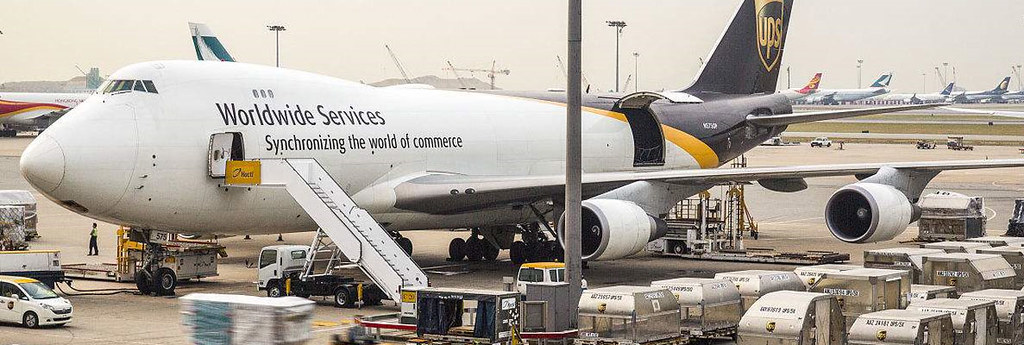
| Shipping Method | Transit Time | Average Cost | Best For | Pros | Cons |
|---|---|---|---|---|---|
| Sea Freight | 25–35 days | $80–$150 per CBM | Bulk goods | Low cost | Long transit |
| Air Freight | 5–10 days | $5–$8/kg | Perishable goods | Fast | Expensive |
| Rail + Truck (via Europe) | 18–25 days | $2–$4/kg | Packaged food | Balanced option | Limited routes |
Cold chain logistics is often used for frozen or perishable foods to maintain product quality during transit.
Long-tail keywords: cold chain freight China UK, air freight for food products, shipping cost for food import, transit time China UK.
8. What Labeling Requirements Must Be Followed?
Every food item imported into the UK must have English-language labeling that includes:
- Product name and description
- Ingredients list and allergens
- Country of origin
- Net weight
- Expiry or “best before” date
- Storage conditions
- Importer contact details
Non-compliance can result in seizure or re-labeling requirements at the importer’s expense.
9. How Are Customs Duties and VAT Calculated?
Import duties depend on the product’s HS code, value, and origin.
| Product Type | Average Import Duty | VAT Rate (UK) | Notes |
|---|---|---|---|
| Processed Food | 10%–20% | 20% | Based on declared value |
| Beverages | 8%–12% | 20% | Includes soft drinks |
| Frozen Meat | 15%–25% | 20% | Subject to inspection |
| Tea, Coffee | 6%–8% | 20% | Must meet origin labeling rules |
Tip: Working with a customs broker can help optimize HS code classification and reduce unnecessary duty costs.
10. What Are the Most Common Mistakes When Importing Food from China?
- Incorrect HS codes or undervaluation
- Missing health or phytosanitary certificates
- Poor packaging (especially for frozen goods)
- Labeling not in English
- Incomplete pre-arrival notification to UK customs
Avoiding these mistakes saves you from costly port storage and re-export penalties.
Conclusion
In conclusion, knowing what documents needed for food products from China to UK is the key to successful, delay-free shipping. Importers must prepare a comprehensive file—including health certificates, packing lists, invoices, and customs declarations—to comply with UK food safety standards.
Moreover, correct labeling, temperature-controlled transport, and compliance with DEFRA and FSA regulations ensure that your food products reach UK markets safely and efficiently.
Working with a trusted freight forwarder simplifies the process, helping you manage compliance, customs, and logistics with confidence—ensuring your next food import from China arrives on time and hassle-free.
FAQ
1. Do all food items from China need a health certificate?
No. Only animal-origin or perishable food products require a health certificate; processed or packaged dry foods do not.
2. Can I import organic food from China to the UK?
Yes, but products must be certified organic by an approved body recognized by the UK’s DEFRA or FSA.
3. Are samples of food products subject to customs clearance?
Yes. Even samples must include proper documentation, including invoices, labeling, and customs declarations.
4. How can I speed up customs clearance in the UK?
Submit complete documents in advance, classify HS codes correctly, and use an experienced customs broker.
5. Is air freight better for perishable food shipments?
Yes, air freight offers faster transit and better temperature control, ideal for seafood, dairy, and frozen goods.