

- By ayla tj
- November 6, 2025
- Logistics Guide
Hiring a professional shipping agent China to Germany can significantly streamline your import process, reduce costs, and ensure compliance with international trade regulations. Whether you’re a small eCommerce seller or a large-scale manufacturer, working with an experienced agent helps coordinate transportation, customs clearance, and door-to-door delivery without delays or stress.

1. Why Do You Need a Shipping Agent from China to Germany?
Shipping goods between China and Germany involves multiple steps—booking cargo space, preparing documents, handling customs, and managing transport modes. A shipping agent simplifies the entire process.
Key benefits include:
- Expert coordination of sea, air, and rail freight.
- Simplified customs and paperwork management.
- Cost-effective carrier selection and rate negotiation.
- End-to-end shipment tracking and delivery assurance.
Therefore, using a reliable shipping agent ensures smooth, timely, and compliant international trade operations.
2. What Are the Main Shipping Methods from China to Germany?
A skilled shipping agent offers multiple transport modes tailored to your budget and time frame.
| Shipping Method | Transit Time | Cost Level | Best For | Pros | Cons |
|---|---|---|---|---|---|
| Air Freight | 3–7 days | $$$ | Urgent & high-value cargo | Fastest & reliable | Expensive |
| Rail Freight | 18–22 days | $$ | Medium-volume cargo | Eco-friendly & stable | Limited routes |
| Sea Freight | 30–40 days | $ | Large shipments | Cheapest per unit | Slower |
| Express Courier | 3–6 days | $$$$ | Small parcels | Door-to-door service | Costly for bulk goods |
Your shipping agent China to Germany can help you balance speed and cost by combining these modes or recommending multimodal transport solutions.
3. How Long Does Shipping from China to Germany Take?
Transit time depends on your chosen method and destination city.
| Route | Transport Mode | Transit Time (Days) |
|---|---|---|
| Shanghai → Hamburg | Sea Freight | 32–38 |
| Shenzhen → Bremen | Sea Freight | 30–35 |
| Chengdu → Duisburg | Rail Freight | 18–22 |
| Xi’an → Munich | Rail Freight | 17–21 |
| Guangzhou → Frankfurt | Air Freight | 3–5 |
| Ningbo → Berlin | Air Freight | 4–6 |
Moreover, customs clearance and inland trucking can add 1–3 days depending on documentation accuracy and port congestion.
4. What Are the Shipping Costs from China to Germany?
Shipping costs fluctuate based on cargo type, size, and season.
| Cargo Type | Estimated Cost (USD) | Mode |
|---|---|---|
| 1 CBM (LCL) | $120 – $180 | Sea Freight |
| 20ft Container (FCL) | $2,800 – $3,600 | Sea Freight |
| 40ft Container (FCL) | $4,800 – $5,600 | Sea Freight |
| 100 KG | $400 – $600 | Air Freight |
| 1 CBM | $350 – $450 | Rail Freight |
| 1 KG | $6 – $9 | Express Courier |
Additional cost factors:
- Customs duties and VAT (Germany: 19%)
- Fuel surcharges and peak season fees
- Delivery and warehousing services
A shipping agent negotiates bulk rates, helping you reduce total shipping costs.
Are you ready to book?
Access live instant freight quotes
5. How Does a Shipping Agent Handle Customs Clearance?
Navigating customs procedures is one of the most complex steps in international shipping. A shipping agent ensures compliance with both Chinese export and German import regulations.
| Document | Purpose |
|---|---|
| Commercial Invoice | Declares product value and description |
| Packing List | Lists cargo content and weight |
| Bill of Lading / Air Waybill | Proof of shipment |
| Certificate of Origin | Identifies country of manufacture |
| Import License (if applicable) | Required for restricted goods |
| Customs Declaration Form | Submitted to German customs |
| EORI Number | Needed for EU importers |
6. What Goods Are Commonly Shipped from China to Germany?
China exports a diverse range of goods to Germany, and shipping agents specialize in handling them securely.
Top imported goods include:
- Electronics and computer parts
- Machinery and automotive components
- Furniture and home appliances
- Apparel, textiles, and footwear
- Medical and pharmaceutical equipment
- Renewable energy equipment (solar panels, batteries)
Additionally, your agent ensures compliance with EU safety and packaging regulations for these categories.
7. What Are the Main Ports and Logistics Hubs in China and Germany?
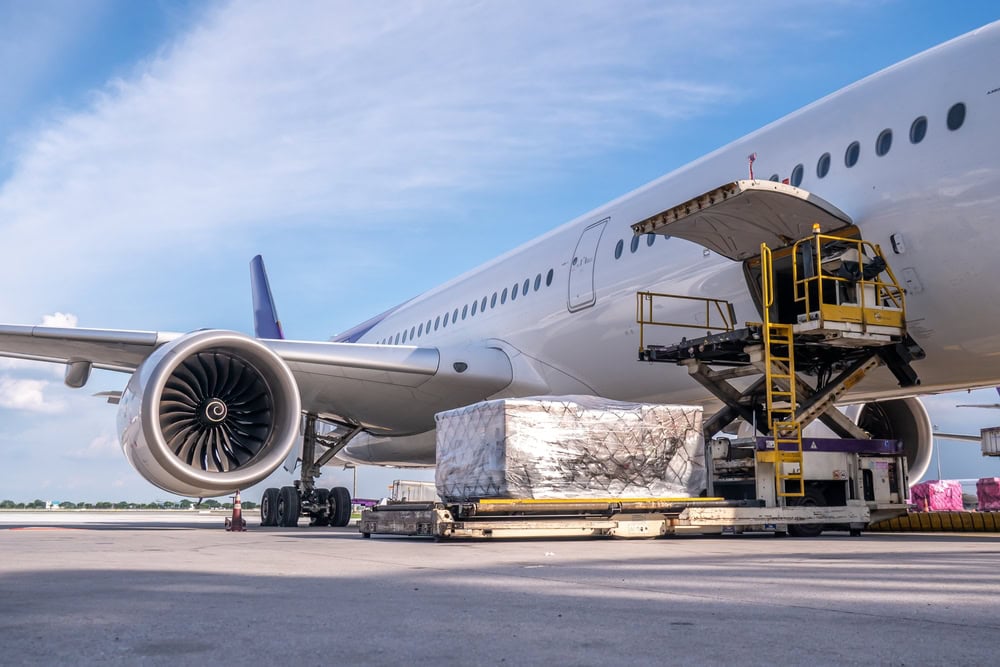
Efficient trade depends on strategic port and rail connections.
| Country | Key Logistics Hubs | Type |
|---|---|---|
| China | Shanghai, Shenzhen, Ningbo, Guangzhou, Tianjin, Xi’an, Chengdu | Sea, Air, Rail |
| Germany | Hamburg, Bremen, Duisburg, Munich, Frankfurt, Berlin | Sea, Rail, Air |
For rail freight, the China–Europe Railway Express connects cities like Chongqing, Wuhan, and Yiwu to Duisburg, Germany’s largest inland port.
8. What Are the Advantages of Using a Shipping Agent?
| Advantage | Description |
|---|---|
| Cost Optimization | Agents negotiate better freight rates. |
| Compliance | Ensure all customs requirements are met. |
| End-to-End Management | Handle pickup, packaging, customs, and delivery. |
| Transparency | Provide real-time shipment tracking. |
| Flexibility | Combine transport modes for efficiency. |
Therefore, hiring a professional shipping agent China to Germany enhances operational efficiency, allowing businesses to focus on growth rather than logistics hassles.
9. What Is the Difference Between a Freight Forwarder and a Shipping Agent?
| Aspect | Shipping Agent | Freight Forwarder |
|---|---|---|
| Primary Role | Acts as local representative for carriers | Manages overall logistics for clients |
| Responsibility | Documentation, customs, port operations | Multi-modal transport & network coordination |
| Focus Area | Local shipping procedures | Global logistics management |
| Suitable For | Businesses exporting/importing to specific countries | Large companies needing global freight management |
However, many modern logistics companies act as both, offering complete import/export solutions.
10. What to Consider When Choosing a Shipping Agent from China to Germany?
When selecting a logistics partner, evaluate the following:
- Experience: Years of handling China–EU trade routes.
- Licenses: Valid certifications and EU compliance.
- Network Coverage: Access to multiple ports and carriers.
- Transparency: Real-time updates and digital tracking.
- Customer Support: Responsive communication throughout the process.
A professional agent should also offer DDP (Delivered Duty Paid) services, covering customs, tax, and delivery in one package.
Conclusion
In conclusion, working with an experienced shipping agent China to Germany ensures your goods travel efficiently through every stage—from supplier pickup to final delivery. A reliable agent reduces costs, manages customs, and ensures compliance with EU trade regulations.
Partnering with ChinaTopFreight guarantees transparent pricing, timely communication, and full-service logistics support, making your China–Germany trade operations faster, safer, and more profitable.
FAQ
1. How much does it cost to ship from China to Germany?
Costs range from $120 per CBM for sea freight to $5–$6 per kg for air freight, depending on cargo size and route.
2. How long does shipping take from China to Germany?
Sea freight takes 30–40 days, rail freight 18–22 days, and air freight around 3–6 days, depending on clearance speed.
3. Do shipping agents handle customs clearance in Germany?
Yes, most agents provide full customs brokerage, including document submission, duty calculation, and VAT payment.
4. Can small businesses use shipping agents?
Absolutely. Agents assist small and medium-sized enterprises (SMEs) with flexible services like LCL, consolidation, and express delivery.
5. What documents are required for import into Germany?
You’ll need a commercial invoice, packing list, bill of lading, certificate of origin, and a valid EORI number.