

- By ayla tj
- November 7, 2025
- Logistics Guide
Shipping electronics freight from China requires precision, safety, and reliable logistics management. Whether you’re importing smartphones, computer parts, or appliances, the right freight solution ensures that sensitive goods arrive on time and intact. With China being the world’s largest electronics exporter, efficient freight services are essential for maintaining your business’s supply chain.

1. Why Is Electronics Freight from China in High Demand?
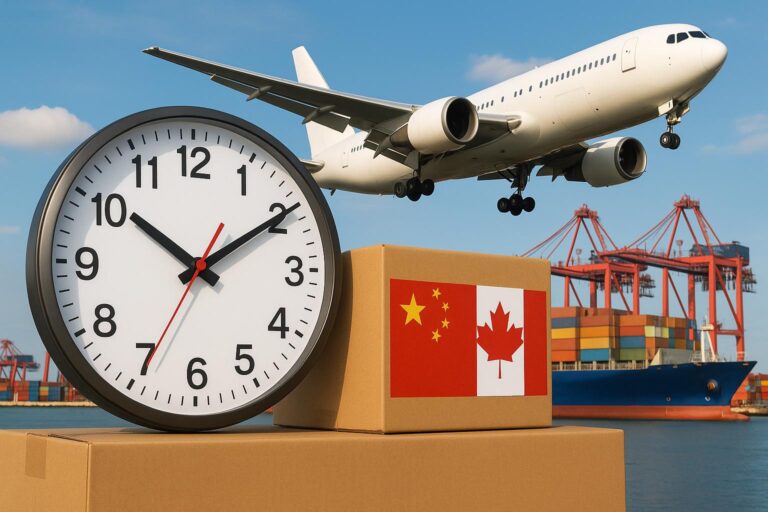
China manufactures and exports over 35% of the world’s electronic products. Businesses around the globe rely on efficient electronics freight from China to keep up with fast-changing consumer demands. Moreover, international logistics services have improved significantly, offering flexible options such as air freight, sea freight, rail freight, and express delivery for all cargo sizes and budgets.
| Shipping Method | Transit Time | Cost Level | Best For |
|---|---|---|---|
| Air Freight | 3–7 days | $$$ | High-value, urgent electronics |
| Sea Freight (FCL/LCL) | 25–40 days | $ | Large or bulk electronics |
| Rail Freight | 18–25 days | $$ | E-commerce, mid-volume goods |
| Express Courier | 2–5 days | $$$$ | Samples or small devices |
2. What Are the Main Shipping Methods for Electronics from China?
A. Air Freight
The most secure and time-efficient option for valuable and delicate items like smartphones, tablets, and semiconductors.
B. Sea Freight
Ideal for bulk shipments or when cost efficiency outweighs speed. Electronics are typically packed in FCL (Full Container Load) or LCL (Less than Container Load).
C. Rail Freight
A reliable middle ground between air and sea freight, popular for shipments to Europe. It offers faster delivery than sea freight at moderate cost.
D. Express Courier
Used by online retailers and small distributors for samples or parcels under 50 kg, handled by carriers such as DHL, UPS, and FedEx.
3. How Long Does It Take to Ship Electronics from China?
Transit time depends on destination, shipping mode, and customs clearance speed.
| Route | Mode | Average Transit Time |
|---|---|---|
| China → USA | Air Freight | 3–5 days |
| China → UK | Rail Freight | 18–22 days |
| China → Germany | Rail Freight | 20–25 days |
| Sea Freight | 25–35 days | |
| China → Canada | Air Freight | 4–6 days |
Note: Customs procedures, weather, and holidays may slightly extend delivery time.
4. How Much Does Electronics Freight from China Cost?
The cost varies by transport type, weight, and volume.
| Shipping Type | Weight/Volume | Estimated Cost (USD) | Transit Time |
|---|---|---|---|
| Air Freight | 100 kg | $500–$700 | 4–6 days |
| Sea Freight (LCL) | 1 CBM | $120–$180 | 30–40 days |
| Rail Freight | 300 kg | $900–$1,100 | 18–22 days |
| Express Delivery | 50 kg | $400–$550 | 2–4 days |
However, additional costs such as insurance, fuel surcharges, and customs duties should be considered when planning your budget.
Are you ready to book?
Access live instant freight quotes
5. What Documents Are Required for Shipping Electronics from China?
Proper documentation prevents customs delays and ensures smooth clearance.
| Document | Purpose |
|---|---|
| Commercial Invoice | Declares value and description of electronics |
| Packing List | Lists all items and packaging details |
| Bill of Lading / Air Waybill | Proof of shipment |
| Certificate of Origin | Confirms manufacturing location |
| Import License (if needed) | For restricted or regulated electronics |
6. What Are the Challenges of Shipping Electronics from China?
- Fragile Cargo: Electronics require temperature and shock protection.
- Battery Restrictions: Lithium batteries are subject to IATA and IMDG regulations.
- High Customs Duties: Tariffs differ by destination country.
- Risk of Damage or Theft: Insurance and secure packaging are essential.
However, working with a professional freight forwarder can help overcome these challenges through specialized handling, insurance, and compliance support.
7. How Are Electronics Packaged for International Shipping?
Packaging is crucial to prevent damage during transport.
| Packaging Method | Purpose |
|---|---|
| Anti-static Bags | Protect sensitive electronic components |
| Bubble Wrap & Foam | Absorb shocks during transit |
| Wooden Crates or Pallets | Provide stability and security |
| Temperature-Controlled Containers | Used for delicate or temperature-sensitive devices |
8. Air vs. Sea vs. Rail Freight: Which Is Best for Electronics?
| Aspect | Air Freight | Sea Freight | Rail Freight |
|---|---|---|---|
| Speed | 3–7 days | 25–40 days | 18–25 days |
| Cost | High | Low | Medium |
| Reliability | Very high | Medium | High |
| Carbon Emissions | High | Low | Moderate |
| Cargo Safety | Excellent | Good | Very good |
9. How Do Customs and Duties Work for Electronics Freight from China?
Each importing country sets specific tariffs for electronics.
- Duties: Usually based on the product’s CIF value (Cost + Insurance + Freight).
- VAT/GST: Typically ranges from 5%–20%, depending on the country.
- Restricted Goods: Certain devices (e.g., telecom equipment) require import licenses.
Moreover, freight forwarders help with customs declarations, HS code classification, and DDP (Delivered Duty Paid) services for hassle-free deliveries.
10. How to Choose the Best Freight Forwarder for Electronics from China
When shipping electronics, selecting an experienced freight forwarder ensures safety and compliance. Consider:
- Experience in electronics logistics
- Knowledge of battery and hazardous goods handling
- Transparent pricing and real-time tracking
- Strong partnerships with carriers and airlines
- Comprehensive insurance and customs clearance support
Working with a trusted provider like ChinaTopFreight guarantees professional handling from factory pickup to final delivery.
Conclusion
In conclusion, managing electronics freight from China requires a careful balance of cost, speed, and security. By understanding available shipping methods, customs processes, and packaging requirements, importers can streamline their logistics and avoid unnecessary delays. Whether shipping by air, sea, or rail, partnering with an experienced freight forwarder like ChinaTopFreight ensures your electronics reach their destination safely, on time, and at the best possible rate.
FAQ
1. Can I ship lithium batteries with my electronics cargo?
Yes, but they must comply with IATA Dangerous Goods Regulations and be packed separately or in limited quantities.
2. Which port is best for electronics export from China?
Shenzhen, Shanghai, and Ningbo are top ports offering extensive routes and competitive freight rates for electronics.
3. Do I need insurance for electronics freight?
Yes. Cargo insurance is strongly recommended to cover loss, theft, or damage during international transit.
4. How do I ensure electronics pass customs smoothly?
Accurate HS codes, proper invoices, and professional customs brokers ensure quick clearance and avoid penalties.
5. What’s the best transport mode for high-value electronics?
Air freight provides the safest and fastest delivery, minimizing the risk of damage or theft.