

- By ayla tj
- November 7, 2025
- Logistics Guide
Managing clothing freight China to Europe is essential for fashion brands, retailers, and e-commerce businesses seeking to balance cost, speed, and reliability. China’s massive garment industry and Europe’s strong demand create a high-volume trade route that requires professional logistics expertise to ensure smooth delivery across borders.

1. Why Is Clothing Freight from China to Europe So Important?
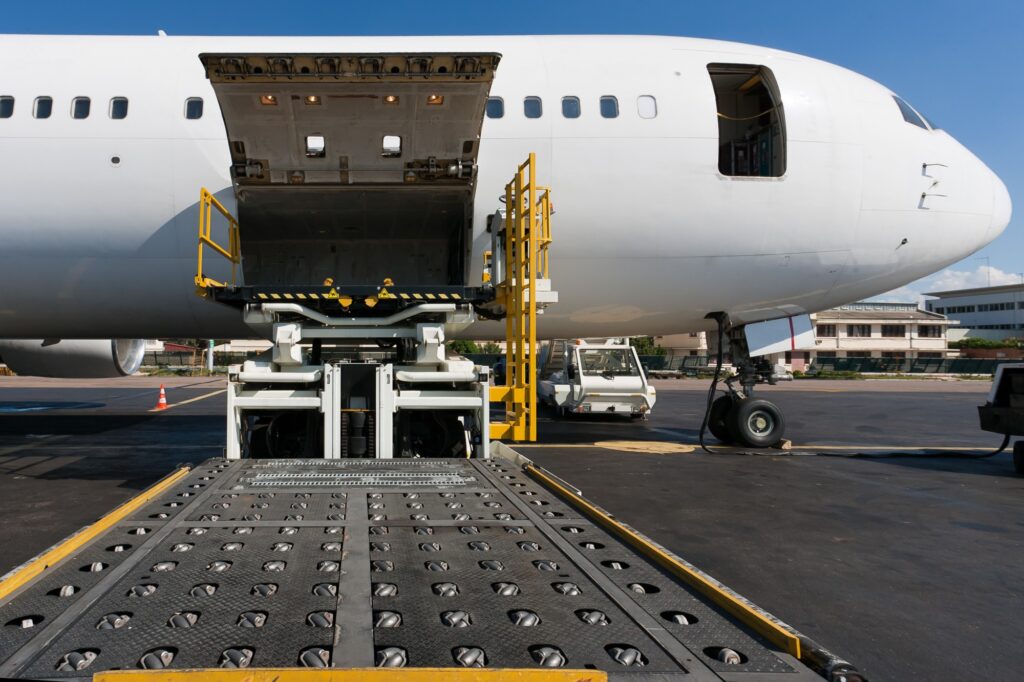
China remains the world’s largest exporter of textiles and apparel, accounting for over 30% of global supply. European countries such as Germany, France, Italy, and Spain import millions of clothing items each year. Therefore, efficient clothing freight China to Europe helps businesses maintain inventory flow, meet retail deadlines, and reduce logistics risks.
| Shipping Mode | Transit Time | Cost Range | Best For |
|---|---|---|---|
| Air Freight | 5–9 days | $$$ | Urgent or high-value fashion goods |
| Sea Freight (FCL/LCL) | 25–40 days | $ | Bulk or seasonal clothing |
| Rail Freight | 15–22 days | $$ | Balanced option for mid-volume clothing |
| Express Courier | 3–5 days | $$$$ | Small, urgent e-commerce parcels |
2. What Are the Main Shipping Methods for Clothing from China to Europe?
A. Air Freight
Fast, secure, and reliable—ideal for luxury apparel, new collections, or time-sensitive products.
Airlines connect major Chinese airports like Shanghai, Guangzhou, and Shenzhen to key European hubs such as Paris, Frankfurt, and London.
B. Sea Freight
The most economical option for large garment volumes. Clothing can be shipped in Full Container Load (FCL) or Less than Container Load (LCL), depending on quantity and urgency.
C. Rail Freight
A growing choice for businesses that need faster transit than sea freight but lower costs than air freight. It runs along the China-Europe rail corridor, connecting cities like Chongqing and Yiwu to European destinations.
D. Express Courier
Perfect for e-commerce shipments, samples, or small batches. Services like DHL, UPS, and FedEx ensure door-to-door delivery within 3–5 days.
3. How Long Does It Take to Ship Clothing from China to Europe?
Shipping times depend on the mode and destination country.
| Origin | Destination | Mode | Average Transit Time |
|---|---|---|---|
| Shenzhen | Germany | Rail Freight | 18–22 days |
| Shanghai | UK | Sea Freight | 30–35 days |
| Guangzhou | France | Air Freight | 6–8 days |
| Yiwu | Italy | Rail Freight | 16–20 days |
| Ningbo | Spain | Sea Freight | 28–33 days |
Note: Customs clearance, port congestion, and holidays may add 2–3 days to transit time.
4. What Is the Cost of Clothing Freight from China to Europe?
Freight costs are influenced by cargo weight, volume, shipping method, and destination.
| Shipping Mode | Estimated Cost (USD/kg or CBM) | Transit Time |
|---|---|---|
| Air Freight | $5.00–$7.50 per kg | 5–8 days |
| Rail Freight | $2.00–$4.00 per kg | 15–22 days |
| Sea Freight (LCL) | $90–$160 per CBM | 25–40 days |
| Express Delivery | $7.00–$10.00 per kg | 3–5 days |
Seasonal surcharges (e.g., during Chinese New Year or Black Friday) can slightly increase rates.
What are you waiting for?
Contact chinatopfreight for a fast, free quote.
Are you ready to book?
Access live instant freight quotes
5. What Customs Documents Are Needed for Clothing Freight?
Accurate paperwork ensures fast customs clearance and avoids penalties.
| Document | Purpose |
|---|---|
| Commercial Invoice | Declares item value and quantity |
| Packing List | Lists all garment details |
| Bill of Lading / Air Waybill | Confirms shipment and route |
| Certificate of Origin | Confirms where goods were made |
| Import License (if needed) | Required for specific clothing materials |
| Textile Declaration | For fiber content and labeling compliance |
Tip: Always match HS codes and descriptions to prevent customs delays.
6. How Do Customs and Duties Work for Clothing in Europe?
Clothing imports are subject to EU customs duties and VAT based on CIF value (Cost + Insurance + Freight).
- Customs Duty: Typically 8–12% depending on material type
- VAT: Around 20% (varies by country)
- Tariff-Free Options: Possible under certain free trade agreements if origin rules apply
Moreover, working with an experienced freight forwarder helps ensure compliance with textile labeling, fiber content, and EU environmental standards.
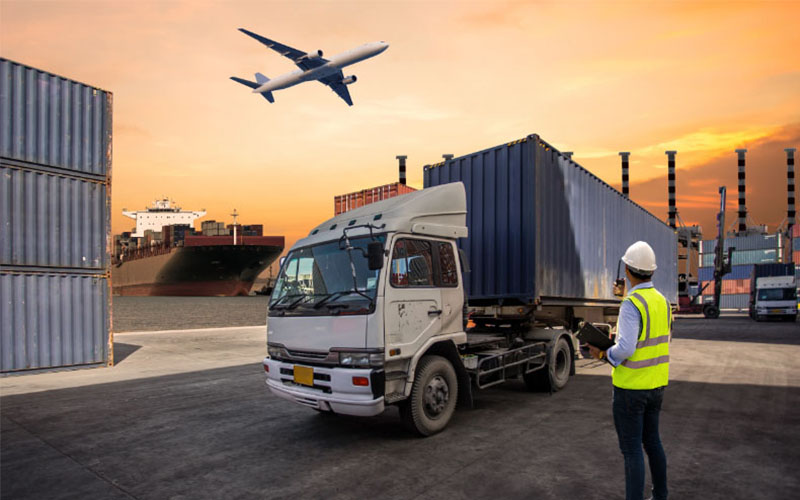
7. Air vs. Sea vs. Rail Freight: Which Is Best for Clothing Shipments?
| Criteria | Air Freight | Sea Freight | Rail Freight |
|---|---|---|---|
| Speed | Fastest | Slowest | Moderate |
| Cost | Highest | Lowest | Medium |
| Reliability | Very High | High | High |
| Cargo Type | High-value or urgent apparel | Large volumes | E-commerce and fashion items |
| Environmental Impact | High | Low | Moderate |
Recommendation:
- Use air freight for high-end fashion and short-run collections.
- Choose sea freight for large-scale seasonal clothing.
- Opt for rail freight for medium-cost, time-sensitive apparel.
8. How Should Clothing Be Packed for International Freight?
Proper packaging prevents wrinkles, moisture, and damage.
| Packaging Type | Purpose |
|---|---|
| Cartons with Poly Bags | Protect folded garments |
| Vacuum-Sealed Bags | Save space and reduce volume weight |
| Hanging Garment Boxes | Prevent creases in formal wear |
| Moisture Barrier Bags | Prevent mold and humidity damage |
Additionally, using desiccants and labeling boxes with SKU details simplifies customs inspection and warehouse sorting.
9. What Are the Challenges in Clothing Freight from China to Europe?
Shipping apparel involves unique challenges:
- Strict Customs Compliance: EU textile labeling and safety rules
- Seasonal Demand Fluctuations: High volumes during holidays increase costs
- Packaging Requirements: Garments must stay clean and undamaged
- Sustainability Concerns: Brands are expected to adopt eco-friendly shipping practices
However, experienced logistics partners can handle these complexities efficiently, ensuring timely delivery and compliance with European standards.
10. How to Choose the Right Freight Forwarder for Clothing Shipments
When selecting a provider for clothing freight China to Europe, consider:
- Experience with apparel logistics and textile regulations
- Network coverage across European ports and rail terminals
- Customs brokerage expertise and EU compliance knowledge
- Flexible options (DDP, DDU, or door-to-door)
- Real-time shipment tracking and reliable communication
Partnering with a trusted freight forwarder like ChinaTopFreight ensures smooth operations from factory pickup to retail warehouse delivery.
Conclusion
In summary, managing clothing freight China to Europe requires strategic planning, regulatory compliance, and the right logistics partner. From air to sea to rail transport, each method offers unique advantages in speed, cost, and flexibility. With proper packaging, documentation, and freight consolidation, fashion brands can ensure smooth, cost-efficient delivery to European markets. Partnering with experts like ChinaTopFreight guarantees reliability, transparency, and seamless logistics performance from factory floor to fashion showroom.
FAQ
1. What is the fastest shipping method for clothing from China to Europe?
Air freight is the fastest, delivering clothing in 5–8 days depending on origin and destination.
2. Can I ship small clothing parcels for e-commerce orders?
Yes. Express couriers like DHL or UPS provide quick door-to-door service for small parcels.
3. Do I need a textile declaration for European customs?
Yes. The EU requires detailed fiber composition, origin, and labeling for imported garments.
4. Which European ports receive most clothing shipments from China?
Key ports include Rotterdam, Hamburg, Antwerp, and Felixstowe, offering efficient customs and warehousing.
5. How can I reduce wrinkling during shipment?
Use hanging garment cartons or vacuum-sealed bags to protect clothes during transit.