

- By carlie tj
- November 10, 2025
- Logistics Guide
When global businesses need dependable logistics, reliable sea freight from China to Germany stands as the most trusted solution. Through ChinaTopFreight, companies benefit from efficient routes, competitive pricing, and expert customs clearance. Whether you ship electronics, furniture, or machinery, sea freight ensures safe, affordable, and scalable logistics from Asia’s production hub to Europe’s largest market.
1. Why Choose Reliable Sea Freight from China to Germany?
Sea freight is the backbone of international trade due to its unmatched capacity and cost efficiency. Compared to air or rail transport, sea shipping allows bulk transportation of goods at a fraction of the price. Moreover, its stable routes connecting ports like Shanghai, Ningbo, and Shenzhen to Hamburg or Bremerhaven ensure timely, sustainable deliveries.
Long-tail keywords: sea freight solutions China to Germany, cost-effective cargo shipping, bulk container shipping, reliable ocean logistics.
2. How Long Does Sea Freight from China to Germany Take?
Transit times depend on the shipping mode (FCL or LCL), route, and port congestion. On average, cargo takes 28 to 38 days from major Chinese ports to German destinations.
| Route | Transit Time (Days) | Mode | Remarks |
|---|---|---|---|
| Shanghai → Hamburg | 28–32 | FCL/LCL | Fastest route via Suez Canal |
| Shenzhen → Bremerhaven | 30–36 | FCL | Ideal for electronics |
| Ningbo → Hamburg | 33–38 | LCL | Affordable for mixed cargo |
| Qingdao → Bremen | 29–35 | FCL/LCL | Stable year-round service |
Semantic keywords: transit time, shipping schedule, delivery speed, freight timeline, logistics planning.
3. What Are the Costs of Sea Freight from China to Germany?
Sea freight costs are influenced by shipment size, type, and Incoterms. FCL is economical for larger volumes, while LCL suits smaller loads.
| Container Type | Average Cost (USD) | Volume (CBM) | Best For |
|---|---|---|---|
| 20ft FCL | $2,000–$2,500 | 28 CBM | Medium cargo loads |
| 40ft FCL | $3,800–$4,800 | 58 CBM | Large consignments |
| LCL | $45–$80 per CBM | Flexible | Mixed goods or small batches |
Long-tail keywords: freight cost China to Germany, FCL vs LCL pricing, import cost analysis, sea shipping rates.
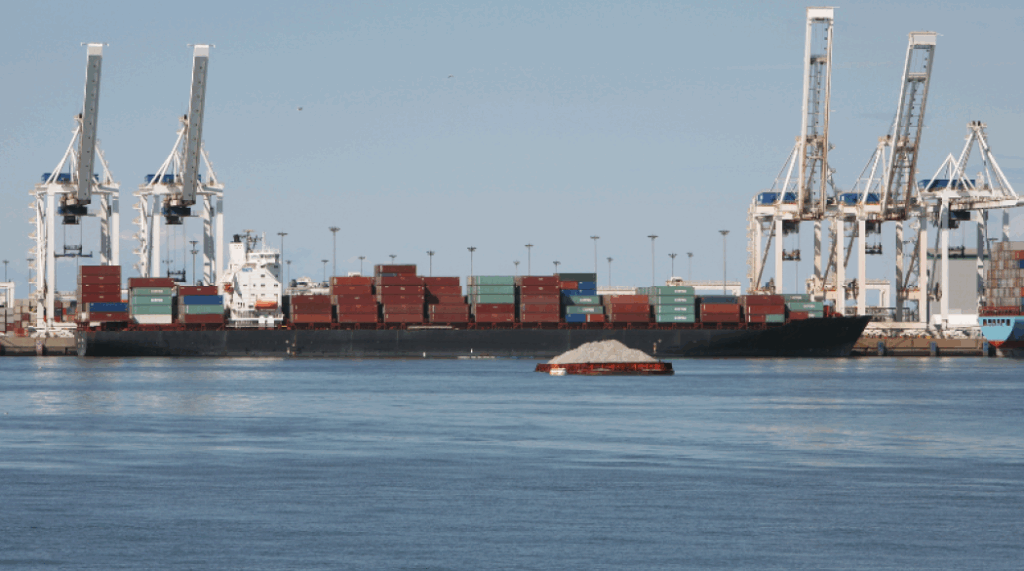
4. Which Ports Are Commonly Used for Sea Freight from China to Germany?
Efficient shipping starts with selecting the right ports.
Main Chinese ports:
- Shanghai Port – largest global container hub
- Ningbo-Zhoushan – key gateway for East China manufacturing
- Shenzhen – South China’s technology export base
- Qingdao – ideal for Northern China industries
Main German ports:
- Hamburg: Europe’s second-largest port with advanced logistics
- Bremerhaven: Specialized in automotive and container handling
- Wilhelmshaven: Deep-water port for large vessels
These routes support continuous trade flow under global alliances such as MSC, COSCO, and Maersk.
5. What Are the Advantages of Reliable Sea Freight from China to Germany?
| Advantages | Details |
|---|---|
| Cost Efficiency | Low unit cost for large shipments |
| Environmental Sustainability | Lower CO₂ emissions than air transport |
| Cargo Capacity | Handles oversized and bulk goods |
| Flexible Options | FCL, LCL, and special containers |
| Global Connectivity | Regular vessel schedules across major ports |
Semantic keywords: sustainable logistics, cargo flexibility, global shipping network.
6. How Does the Sea Freight Process Work Between China and Germany?
A smooth logistics process ensures timely and compliant delivery.
- Quotation & Booking: Get shipping estimates based on cargo type and volume.
- Cargo Pickup: Goods collected from supplier or factory.
- Export Clearance: China Customs reviews documents before departure.
- Ocean Transport: Cargo sails through the Suez Canal to Germany.
- Import Customs: Cargo cleared and duties paid in Germany.
- Delivery: Cargo delivered to the consignee’s address or warehouse.
Long-tail keywords: shipping procedure China to Germany, customs process, logistics workflow, international shipping steps.
7.Conclusion
Choosing reliable sea freight from China to Germany ensures stability, affordability, and global reach for your supply chain. From competitive pricing to timely delivery and customs compliance, ChinaTopFreight delivers trusted logistics solutions for every business size. Partnering with an experienced freight forwarder secures your goods’ journey from China’s ports to Germany’s markets—efficiently, safely, and reliably.
8. Request a Quote
China Top Freight offers:
- ✅ Origin and Destination Countries
- ✅ Cargo Type and Volume
- ✅ Preferred Transport Method (Air, Sea, Rail, Road)
- ✅ Delivery Timeline
- ✅ Special Handling Requirements (if any)
9. FAQ
1. How long does sea freight take from China to Germany?
Transit takes around 28–38 days, depending on route, weather, and customs efficiency.
2. What is the most reliable shipping route between China and Germany?
Shanghai to Hamburg is the most consistent and frequently serviced trade route for sea freight.
3. Can I ship smaller loads from China to Germany by sea?
LCL (Less than Container Load) allows small cargo sharing space, providing affordable shipping for low-volume goods.
4. What is the main advantage of sea freight over air freight?
Sea freight offers much lower costs per unit, making it ideal for non-urgent, high-volume shipments.
5. How can I track my cargo during sea transport?
Freight forwarders provide online tracking systems showing vessel location and estimated delivery times.