

- By ayla tj
- November 10, 2025
- Logistics Guide
Businesses importing from China to Europe often choose ocean freight China to Germany for its cost-efficiency and capacity. With trade between the two nations continuing to grow, sea freight remains the backbone of international logistics, balancing affordability, scalability, and environmental sustainability.
However, many importers struggle with customs, shipping schedules, and cost control. This guide simplifies every aspect—from rates and routes to documentation and delivery—to help you manage your ocean shipments efficiently.

1. What Is Ocean Freight from China to Germany?
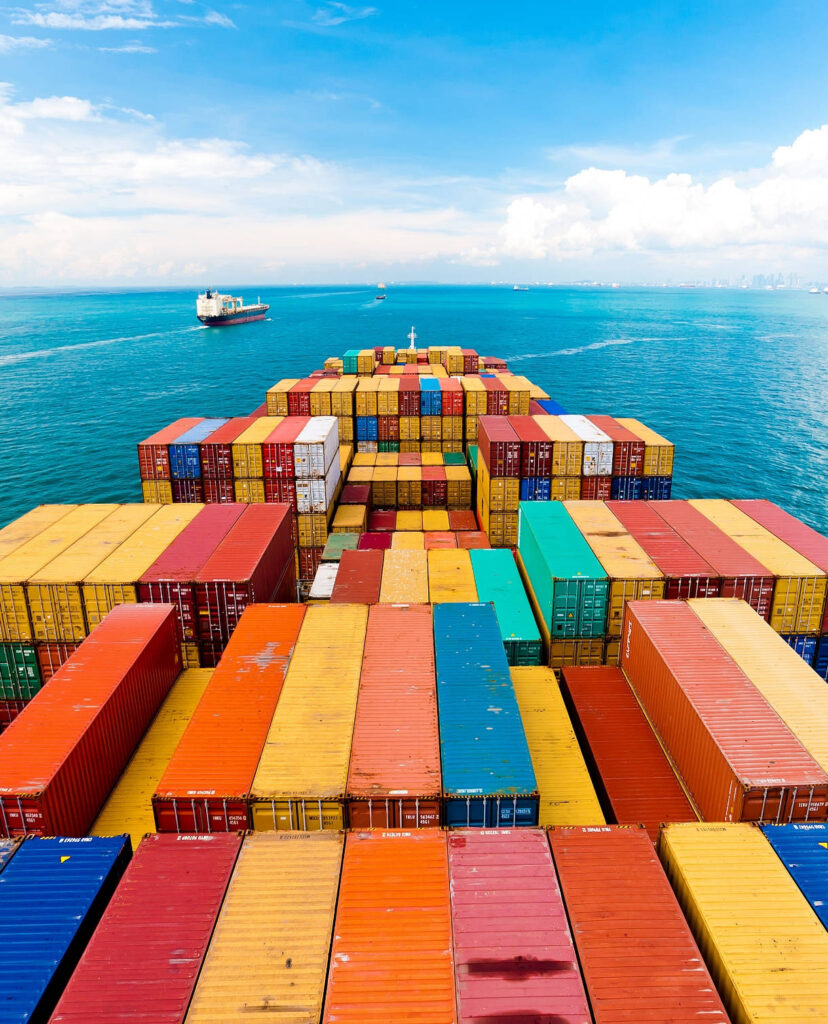
Ocean freight refers to transporting goods in containers via cargo vessels between Chinese ports and German seaports. It’s the most economical method for large shipments and provides flexibility for different container sizes and cargo types.
Common Cargo Types:
- Consumer goods and electronics
- Industrial machinery
- Textiles, footwear, and garments
- Furniture and household items
- Automotive parts
Long-tail keywords: FCL shipping China to Germany, LCL sea freight service, maritime transport Europe, containerized cargo China–Germany, import logistics China to Hamburg.
2. Why Choose Ocean Freight Instead of Air or Rail?
Ocean freight offers the best value for high-volume cargo. While air freight is faster and rail freight is moderately quick, sea shipping remains unbeatable in terms of cost per cubic meter.
| Shipping Mode | Transit Time | Cost | Best For |
|---|---|---|---|
| Air Freight | 5–8 days | Highest | Urgent, high-value goods |
| Rail Freight | 16–22 days | Medium | Moderate shipments |
| Ocean Freight | 30–40 days | Lowest | Bulk, non-urgent goods |
Advantages:
- Most cost-effective for heavy or large cargo
- Environmentally friendly (lower CO₂ emissions)
- Scalable for small or full container loads
- Flexible routing options via multiple ports
Semantic keywords: shipping comparison, freight cost optimization, transport efficiency, logistics sustainability, trade network China Germany.
3. What Are the Major Sea Routes from China to Germany?
Shipping routes depend on the origin port in China and the destination in Germany.
| Origin Port (China) | Destination Port (Germany) | Average Transit Time |
|---|---|---|
| Shanghai | Hamburg | 30–35 days |
| Ningbo | Bremerhaven | 32–37 days |
| Shenzhen | Hamburg | 35–40 days |
| Qingdao | Bremen | 33–38 days |
| Tianjin | Hamburg | 36–42 days |
Main Shipping Lines:
- Maersk Line
- MSC (Mediterranean Shipping Company)
- COSCO
- Hapag-Lloyd
- Evergreen
Long-tail keywords: sea route China to Europe, shipping transit time Hamburg, COSCO container service, maritime trade Asia Germany.
What are you waiting for?
Contact chinatopfreight for a fast, free quote.
Are you ready to book?
Access live instant freight quotes
4. What Are the Shipping Costs from China to Germany?
Ocean freight costs vary based on cargo size, season, and container type.
| Shipping Type | Estimated Cost (USD) | Transit Time | Remarks |
|---|---|---|---|
| FCL (20ft) | $1,800–$2,500 | 30–35 days | For small full loads |
| FCL (40ft) | $3,000–$3,800 | 30–35 days | For high-volume cargo |
| LCL (per CBM) | $80–$130 | 35–40 days | Ideal for smaller loads |
| Reefer Container | $2,500–$4,500 | 30–35 days | Temperature-sensitive goods |
Factors Affecting Cost:
- Seasonal demand (peak season surcharges)
- Bunker Adjustment Factor (fuel cost)
- Port handling and terminal fees
- Customs and inland transport
Semantic keywords: freight pricing, logistics surcharges, shipping quotes, CIF cost calculation, international trade costs.
5. FCL vs LCL: Which One Should You Choose?
Your choice between FCL (Full Container Load) and LCL (Less than Container Load) depends on shipment volume and urgency.
| Criteria | FCL (Full Container) | LCL (Shared Container) |
|---|---|---|
| Cargo Volume | >15 CBM | <15 CBM |
| Cost | Higher per shipment, lower per CBM | Lower upfront, higher per CBM |
| Handling | Less handling, lower risk | More handling, higher damage risk |
| Speed | Faster (direct route) | Slightly slower (consolidation required) |
| Ideal For | Large, single shipments | Smaller or mixed cargo |
Recommendation:
For regular importers, FCL ensures lower long-term costs and safer handling.
Long-tail keywords: FCL vs LCL comparison, container load decision, consolidated sea freight, logistics planning China Germany.
6. How Long Does Ocean Freight Take from China to Germany?
Transit time depends on the port of origin, route, and weather conditions.
| Port Pair | Transit Time | Shipping Line Example |
|---|---|---|
| Shanghai – Hamburg | 30–35 days | Maersk / COSCO |
| Ningbo – Bremerhaven | 33–37 days | MSC / Hapag-Lloyd |
| Shenzhen – Bremen | 35–40 days | Evergreen |
| Qingdao – Hamburg | 32–36 days | CMA CGM |
Additional Time Considerations:
- Loading/export clearance: 2–5 days
- Import customs clearance: 2–3 days
- Inland trucking (Germany): 1–4 days
Long-tail keywords: sea freight duration China Germany, port transit schedule, cargo delivery timeline, logistics planning Europe.
7. What Documents Are Required for Customs Clearance?
Customs documentation is vital to ensure compliance and prevent delays.
| Document | Purpose |
|---|---|
| Bill of Lading | Proof of shipment and ownership |
| Commercial Invoice | Declares product value |
| Packing List | Details cargo weight and volume |
| Certificate of Origin | Confirms goods’ origin for duty rates |
| Import Declaration | Submitted to German Customs (Zoll) |
| Insurance Certificate | Protects against cargo loss or damage |
Tip: Ensure that all documents are accurate and consistent with your Incoterms (FOB, CIF, DDP).
Semantic keywords: customs clearance Germany, export documents China, EU import regulations, trade compliance, HS code declaration.
8. What Are the Customs Duties and VAT in Germany?
Germany, as an EU member, applies standard EU customs procedures.
| Type | Rate / Requirement |
|---|---|
| Import Duty | 0–12% (depending on HS code) |
| VAT (Value Added Tax) | 19% standard rate |
| EORI Number | Required for importers |
| Customs Inspection Fee | Applicable for random checks |
Example:
If your CIF value = €10,000 and duty = 5%:
- Duty = €500
- VAT = 19% × (€10,500) = €1,995
- Total = €12,495
Long-tail keywords: EU customs duties, import VAT Germany, EORI registration, duty calculator, tax compliance China Germany trade.
9. How to Calculate Ocean Freight Charges?
Ocean freight pricing includes base rate, surcharges, and local fees.
Formula:
Total Cost = (Base Freight + BAF + THC + DOC + Customs Fees)
| Term | Meaning |
|---|---|
| BAF | Bunker Adjustment Factor (fuel cost) |
| THC | Terminal Handling Charge |
| DOC | Documentation Charge |
| ISPS | Security Surcharge |
| CAF | Currency Adjustment Factor |
10. What Are the Top German Ports for Chinese Imports?
Germany’s ports are key logistics hubs in Europe.
| Port | Location | Specialization |
|---|---|---|
| Hamburg | Northern Germany | Largest port; handles over 8 million TEUs annually |
| Bremerhaven | Bremen | Automotive and containerized goods |
| Bremen | Northwest | Industrial cargo, machinery |
| Wilhelmshaven | Lower Saxony | Deep-water port for mega vessels |
Conclusion
Ocean freight China to Germany is a cornerstone of global trade, offering affordable, large-scale shipping for businesses of all sizes. Moreover, with reliable routes, transparent pricing, and efficient customs handling, it remains the preferred choice for importers across Europe. Therefore, partnering with an experienced freight forwarder like ChinaTopFreight guarantees secure, on-time delivery—helping your business grow seamlessly across borders.
FAQ
1. How long does ocean freight take from China to Germany?
Transit time averages 30–40 days, depending on origin port, route, and customs clearance at the destination.
2. What is the cheapest way to ship from China to Germany?
Sea freight (FCL or LCL) is the most affordable option for bulk shipments compared to air or rail.
3. Do I need an import license to ship goods into Germany?
Most general goods do not require an import license, but restricted products need specific permits under EU trade laws.
4. How are customs duties calculated in Germany?
Duties are based on the CIF value (Cost + Insurance + Freight) and the product’s HS code classification.
5. Can I track my sea shipment in real time?
Yes, most shipping lines and freight forwarders offer digital tracking platforms showing vessel location and estimated arrival times.