

- By kelly
- November 10, 2025
- Logistics Guide
Professional Sea Freight from Shenzhen to Germany: Affordable, Reliable, and Efficient Shipping
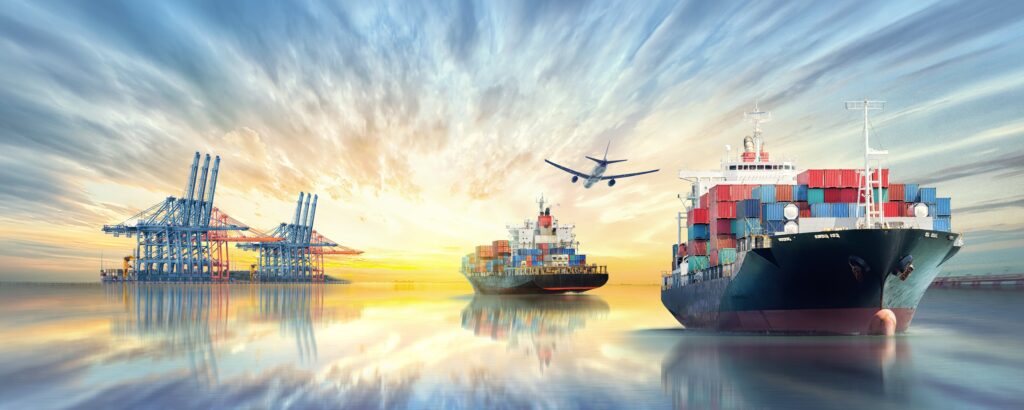
When it comes to international shipping, businesses that need to transport large quantities of goods often look for cost-effective yet reliable options. Professional sea freight from Shenzhen to Germany offers one of the most efficient and affordable methods for shipping bulky goods and large containers. While air freight offers speed, sea freight provides an ideal balance of cost savings and volume capacity, making it the preferred choice for many businesses.
In this article, we will explore the advantages of choosing professional sea freight from Shenzhen to Germany, compare it with other shipping methods, and provide key insights into transit times, shipping costs, documentation, and how to optimize your shipping process.
1. Why Choose Professional Sea Freight from Shenzhen to Germany?
Sea freight is often the most economical solution for shipping large volumes of goods over long distances. When shipping from Shenzhen to Germany, sea freight offers businesses the best combination of cost savings, reliability, and shipping capacity. Here are some key reasons why businesses opt for sea freight:
Key Benefits of Sea Freight:
- Cost-Effective: Sea freight is much cheaper than air freight, especially for large or heavy shipments.
- High Capacity: Sea freight can accommodate large volumes of goods, making it ideal for bulk shipping.
- Reliability: Shipping companies that offer sea freight services typically have well-established and reliable schedules, reducing the chances of delays.
- Global Network: Major shipping lines operate internationally, offering a wide range of ports and routes for your shipments.
- Environmental Impact: Sea freight has a lower carbon footprint compared to air transport, making it a more sustainable option.
2. What Are the Average Transit Times for Sea Freight from Shenzhen to Germany?
Sea freight is known for its slower transit times compared to air freight, but it offers a significant cost advantage for large shipments. The average transit time for sea freight from Shenzhen to Germany typically ranges from 25 to 40 days, depending on the specific destination port, the shipping company, and the chosen service level.
Estimated Transit Times:
| Destination Port | Transit Time (Days) |
|---|---|
| Hamburg | 28–32 |
| Bremerhaven | 30–35 |
| Bremen | 32–36 |
| Duisburg | 35–40 |
Shipping times may vary depending on factors such as customs clearance, weather conditions, and transshipment points, so it’s important to plan accordingly.
3. What Are the Costs of Professional Sea Freight from Shenzhen to Germany?
While sea freight is generally cheaper than air freight, the cost will still depend on several factors, including the size and weight of your shipment, the route, and the type of service. It is important to calculate the total cost, considering the factors that influence shipping prices:
Key Cost Factors:
- Cargo Size and Weight: Sea freight costs are often calculated based on the volume (cubic meters) or weight (tons) of the shipment.
- Port Fees: Different ports may have different handling, loading, and unloading fees, which can affect the total cost.
- Container Type: The type of container used (e.g., dry container, refrigerated container, or flat rack) will also impact pricing.
- Additional Services: Extra services, such as insurance, customs clearance, or port-to-door delivery, can increase the overall shipping cost.
Estimated Pricing Based on Container Size:
| Container Size | Estimated Cost (USD) |
|---|---|
| 20ft Container | $1,000–$1,500 |
| 40ft Container | $2,000–$3,000 |
| LCL (Less-than-Container Load) | $100–$500 per cubic meter |
The more goods you ship, the more cost-efficient sea freight becomes, especially when using FCL (Full Container Load) services.
4. How Does Sea Freight Compare to Air and Rail Freight?
While sea freight is often the best option for large shipments, it is not always the fastest method. Here’s how sea freight compares with air and rail freight in terms of cost, speed, and capacity.
Shipping Method Comparison:
| Shipping Method | Cost (per kg) | Transit Time (Days) | Ideal For | Pros | Cons |
|---|---|---|---|---|---|
| Sea Freight | $ | 25–40 | Large shipments, non-urgent goods | Low cost, large volume capacity | Slow, not ideal for urgent shipments |
| Air Freight | $$$$ | 3–7 | Time-sensitive goods | Fastest delivery, reliable | Expensive, limited volume |
| Rail Freight | $$ | 15–30 | Medium-sized shipments | Faster than sea, more affordable than air | Limited availability, slower than air |
Sea freight is best suited for businesses that prioritize cost over speed and are shipping large volumes of goods. If time is a critical factor, air freight or rail freight may be better options, though they come at a higher price.
5. What Types of Goods Are Ideal for Sea Freight from Shenzhen to Germany?
Sea freight is suitable for a wide range of goods, particularly those that don’t require the fast delivery of air freight. Commonly shipped products include:
- Electronics: Computers, mobile phones, and other electronic devices.
- Clothing and Textiles: Fashion items, garments, and fabric materials.
- Furniture: Large or bulk items for residential or commercial use.
- Automotive Parts: Components for car manufacturing and repair.
- Industrial Equipment: Machinery and tools for manufacturing and construction.
- Raw Materials: Bulk items like chemicals, metals, and raw materials for industries.
Sea freight is ideal for these types of goods, as it can accommodate large and heavy items that would be too costly or impractical to ship by air.
6. What Documents Are Required for Sea Freight from Shenzhen to Germany?
When shipping goods internationally via sea freight, several documents are required to ensure smooth customs clearance and safe transport. The key documents include:
- Commercial Invoice: A document that lists the items being shipped, their value, and the terms of sale.
- Packing List: A breakdown of how the goods are packed and the dimensions of the shipment.
- Bill of Lading: A receipt issued by the shipping carrier, outlining the shipment’s details.
- Certificate of Origin: This certifies the country of origin of the goods.
- Customs Declarations: Required for clearing goods through customs in both Shenzhen and Germany.
Ensuring that all necessary documentation is in order will prevent delays and additional fees at the port.
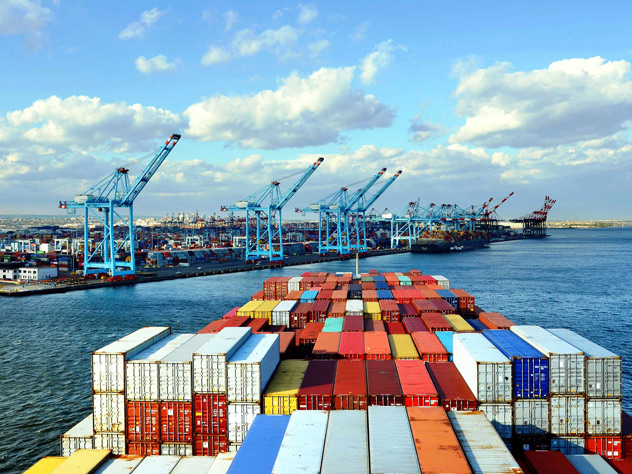
7. How Can You Optimize Your Sea Freight Process from Shenzhen to Germany?
To ensure a smooth and efficient shipping process, consider the following tips for optimizing your sea freight experience:
- Work with a Reliable Freight Forwarder: Freight forwarders can manage logistics, handle documentation, and ensure timely delivery.
- Consolidate Shipments: For smaller loads, consider Less-than-Container Load (LCL) services, which allow you to share a container with other shipments, reducing costs.
- Proper Packaging: Properly pack and label goods to prevent damage during transport.
- Plan for Customs: Ensure all required customs documentation is completed accurately to avoid delays.
These steps will help streamline your shipping process, ensuring your goods are delivered without issue.
📦Get a Free Quote
If you’re ready to start shipping goods via sea freight from Shenzhen to Germany, we can help. Our professional sea freight services provide reliable, cost-effective solutions to meet your shipping needs. Contact us today for a personalized quote and get your goods to Germany efficiently and affordably!
❓ Frequently Asked Questions
1. What is the cost of sea freight from Shenzhen to Germany?
The cost of sea freight depends on the size and weight of the shipment, as well as the destination. Typically, prices range from $1,000 to $3,000 for a 20ft to 40ft container.
2. How long does sea freight from Shenzhen to Germany take?
Sea freight typically takes 25 to 40 days, depending on the destination and any potential delays at the ports.
3. What documents are required for sea freight shipments?
Key documents include the commercial invoice, packing list, bill of lading, certificate of origin, and customs declarations.
4. Is sea freight the most cost-effective shipping method?
Yes, sea freight is the cheapest method for large shipments compared to air or rail freight, though it is slower.
5. Can I track my sea freight shipment?
Yes, most shipping companies provide tracking services so you can monitor your goods throughout their journey.
Conclusion
In conclusion, professional sea freight from Shenzhen to Germany offers businesses a cost-effective and reliable method for shipping large or bulk goods internationally. By understanding the costs, transit times, and required documentation, you can make informed decisions that streamline your logistics operations. Contact us today to get started with your sea freight shipping needs!