

- By carlie tj
- November 11, 2025
- Logistics Guide
Shipping food products from China to Europe involves strict documentation, hygiene standards, and customs procedures. Understanding all shipping requirements for food products from China to Europe is essential to ensure compliance, safety, and smooth logistics. At ChinaTopFreight, we specialize in managing international food shipments, ensuring your cargo meets European import regulations, temperature controls, and delivery schedules.
1. What Are the Basic Shipping Requirements for Food Products from China to Europe?
Shipping food products requires compliance with both Chinese export laws and European Union (EU) food import regulations.
Core requirements include:
- Valid export license and health certificates.
- Sanitary and phytosanitary (SPS) compliance for edible goods.
- Approved packaging and labeling (in English or target country language).
- Compliance with EU Regulation (EC) No 852/2004 on food hygiene.
- Customs documentation (invoice, packing list, certificate of origin, etc.).
Moreover, the EU enforces traceability standards, requiring exporters to record the entire supply chain from origin to end-user.
2. What Documents Are Needed for Shipping Food from China to Europe?
Correct documentation ensures customs clearance and product acceptance.
| Document | Purpose | Issued By | Required For |
|---|---|---|---|
| Commercial Invoice | Declares value and content of goods | Exporter | Customs clearance |
| Packing List | Lists weight, volume, and description | Exporter | Inspection verification |
| Certificate of Origin | Proves country of production | Chamber of Commerce | Duty assessment |
| Health Certificate | Confirms product safety | China CIQ Authority | All food exports |
| Phytosanitary Certificate | For plant-based or processed foods | AQSIQ | Sanitary inspection |
| Bill of Lading | Confirms cargo ownership | Shipping line | Shipment release |
| EU Import License (if required) | Regulates restricted food items | EU Importer | Controlled goods |
| Insurance Certificate | Covers loss or spoilage | Insurer | Risk management |
Incomplete or inconsistent documents may result in delays, product rejection, or fines.
3. What Packaging Standards Apply to Food Shipments?
Packaging plays a crucial role in maintaining product integrity and compliance with European food safety laws.
Packaging Requirements:
- Use food-grade materials approved for contact with consumables.
- Avoid contamination by using sealed, tamper-proof packaging.
- Display clear labeling in English or destination country language.
- Include details like product name, net weight, storage conditions, origin, and expiration date.
- Outer packaging should be durable, moisture-resistant, and suitable for sea or air freight.
4. How to Comply with EU Food Labeling Requirements?
European authorities enforce strict labeling rules for imported food.
Mandatory labeling details:
- Product name and ingredient list.
- Allergen information.
- Manufacturer name and address.
- Country of origin (“Made in China”).
- Expiration and batch numbers.
- Nutritional values (for processed food).
Therefore, exporters must verify compliance with Regulation (EU) No 1169/2011, which standardizes food labeling across Europe.
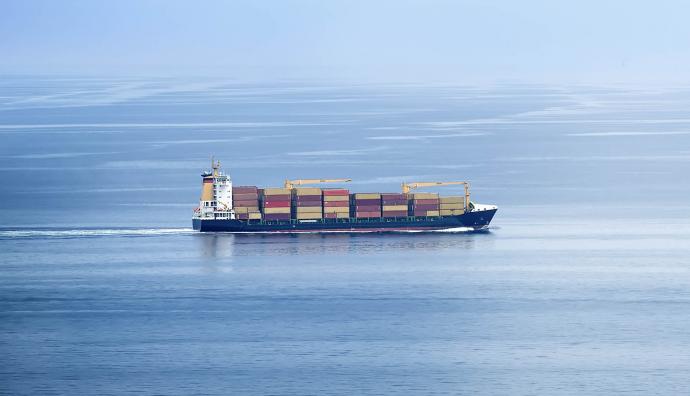
5. What Are the Main Shipping Methods for Food Products?
Choosing the right transport method depends on the product’s shelf life, temperature sensitivity, and urgency.
| Shipping Method | Cost | Transit Time | Ideal Cargo | Advantages | Disadvantages |
|---|---|---|---|---|---|
| Sea Freight (FCL/LCL) | Low | 25–40 days | Bulk dry or frozen goods | Economical | Longer transit time |
| Air Freight | High | 5–10 days | Perishable, high-value items | Fast, reliable | Expensive |
| Rail Freight | Medium | 18–25 days | Chilled or dry foods | Balanced speed and cost | Limited coverage |
| Courier/Express | Very High | 3–7 days | Samples, small batches | Door-to-door delivery | Costly for heavy cargo |
Sea freight is ideal for non-perishable food, while air freight is recommended for perishable or high-value items requiring strict temperature control.
6. What Are Temperature Control Requirements for Perishable Foods?
Maintaining proper temperature during transport ensures food safety and compliance with EU health laws.
Temperature Standards:
- Frozen foods: –18°C or below.
- Chilled foods: 0–5°C.
- Ambient/dry foods: 10–25°C.
Recommended Practices:
- Use reefer containers for refrigerated cargo.
- Employ temperature loggers to record real-time conditions.
- Ensure cold chain continuity from factory to distribution point.
Non-compliance may result in spoilage, rejection, or public health violations.
7.Conclusion
Understanding shipping requirements for food products from China to Europe is critical for maintaining quality, compliance, and cost efficiency. Exporters must prepare proper documentation, follow EU safety and labeling rules, and use the right logistics method to protect perishable cargo. Partnering with ChinaTopFreight guarantees professional handling, transparent communication, and regulatory expertise — ensuring your food shipments arrive fresh, compliant, and on time across Europe.
8. Request a Quote
China Top Freight offers:
- ✅ Origin and Destination Countries
- ✅ Cargo Type and Volume
- ✅ Preferred Transport Method (Air, Sea, Rail, Road)
- ✅ Delivery Timeline
- ✅ Special Handling Requirements (if any)
9. FAQ
1. Can I ship perishable food products from China to Europe?
Perishable items like seafood and dairy can be shipped using reefer containers or air freight with strict temperature control.
2. What certificates are required for food exports to Europe?
Essential certificates include the health certificate, phytosanitary certificate, and certificate of origin for customs clearance.
3. Are there restrictions on certain food items entering Europe?
Meat, dairy, and processed foods face stricter import rules and must come from approved facilities.
4. How can I reduce shipping costs for food exports?
Consolidate cargo, use sea freight for non-perishables, and work with logistics experts to optimize routes.
5. Do I need special packaging for frozen food shipments?
Frozen goods require insulated packaging and reefer containers to maintain a stable temperature throughout transport.