

- By ayla tj
- November 11, 2025
- Logistics Guide
Efficient train cargo China to Germany services have become a cornerstone of modern Eurasian logistics. For businesses seeking a faster alternative to sea freight and a cheaper option than air freight, rail freight provides the ideal balance. With consistent schedules, sustainable transport, and competitive costs, this shipping method supports Europe–Asia trade growth and supply chain resilience.

1. Why Choose Train Cargo from China to Germany?
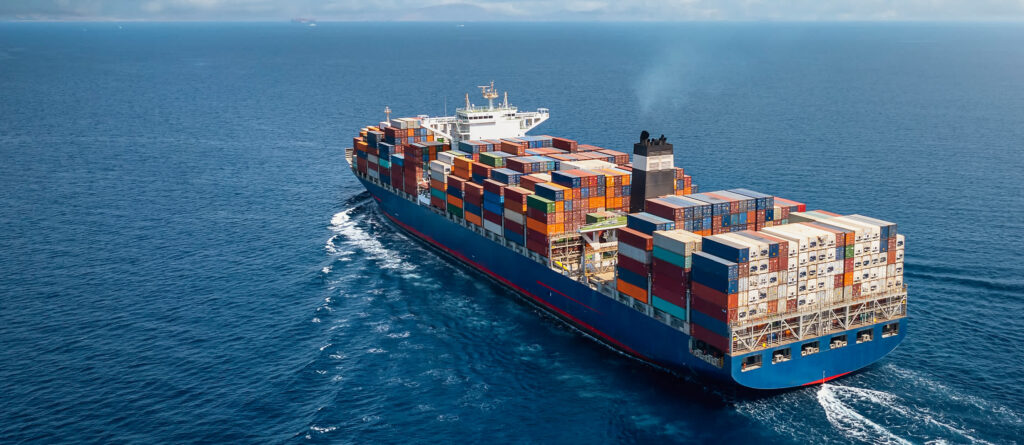
Rail freight between China and Germany offers businesses a reliable, cost-efficient solution. It bridges the gap between speed and economy while minimizing environmental impact. Moreover, the China–Europe Railway Express network connects over 60 Chinese cities to major German hubs like Hamburg, Duisburg, and Munich, providing comprehensive logistics coverage.
| Shipping Mode | Transit Time | Average Cost (USD/CBM) | Best For |
|---|---|---|---|
| Air Freight | 5–7 days | $8–$12 | Urgent, small cargo |
| Rail Freight | 14–18 days | $3–$6 | General commercial goods |
| Sea Freight | 35–45 days | $1–$2 | Bulk, low-value cargo |
2. How Long Does Train Cargo from China to Germany Take?
The typical rail transit time is 14–18 days, depending on the departure city and the final German destination. Routes like Chengdu–Duisburg and Xi’an–Hamburg are among the fastest, thanks to direct connections and streamlined customs clearance.
However, factors such as border inspections, customs delays, and seasonal demand can slightly extend delivery schedules.
3. What Are the Main Train Routes Between China and Germany?
The China–Europe Railway network connects industrial hubs to Germany’s primary logistics centers. Below is an overview of the most active corridors:
| Origin (China) | Destination (Germany) | Approx. Transit Time | Frequency |
|---|---|---|---|
| Chongqing | Duisburg | 15–17 days | 3–4 times/week |
| Chengdu | Hamburg | 16–18 days | 2–3 times/week |
| Xi’an | Munich | 15 days | 2 times/week |
| Yiwu | Nuremberg | 17–19 days | Weekly |
These routes form part of the Belt and Road Initiative (BRI), enhancing connectivity and reducing logistics costs for European importers.
4. What Types of Goods Are Shipped by Train to Germany?
Rail freight is suitable for most commercial products, particularly those requiring faster delivery than sea freight but lower cost than air transport. Common cargo types include:
- Electronics and consumer goods
- Automotive parts and machinery
- Clothing, textiles, and footwear
- Furniture and home appliances
- Medical equipment and pharmaceuticals
- E-commerce parcels
Moreover, reefer containers are available for temperature-controlled goods such as food and chemicals, ensuring product safety throughout the journey.
5. What Are the Benefits of Train Cargo from China to Germany?
Train freight offers numerous operational advantages for importers and exporters:
- Faster Transit Times: About half the duration of sea freight.
- Cost Efficiency: 60% cheaper than air freight.
- Sustainability: Up to 75% fewer CO₂ emissions than air.
- Reliability: Fixed departure schedules and stable routes.
- Security: Sealed containers and GPS tracking ensure safety.
- Accessibility: Links inland factories directly to European markets.
6. How Much Does Train Cargo from China to Germany Cost?
However, additional charges such as insurance, documentation, and customs duties should be considered when budgeting total logistics costs.
| Service Type | Estimated Cost (USD/CBM) | Transit Time | Notes |
|---|---|---|---|
| LCL (Less than Container Load) | $3 – $6 | 16–20 days | Ideal for small cargo |
| FCL (Full Container Load) | $5,000 – $7,000 per 40ft | 14–18 days | For large shipments |
| Express Rail (Priority Service) | +10–15% | 12–15 days | Faster customs and handling |
Are you ready to book?
Access live instant freight quotes
7. What Documents Are Required for Rail Freight?
Proper documentation is essential for smooth customs clearance in both China and Germany. Below is a checklist of commonly required papers:
| Document | Purpose |
|---|---|
| Commercial Invoice | Declares product details and value |
| Packing List | Describes cargo weight and volume |
| Rail Waybill | Confirms carriage and route |
| Certificate of Origin | Validates country of manufacture |
| Insurance Certificate | Covers goods during transport |
| Export Declaration | Filed with Chinese customs |
| Import Declaration | Required by German customs authority |
Working with an experienced freight forwarder ensures compliance with all EU import regulations.
8. How Does Train Cargo Compare to Air and Sea Freight?
| Aspect | Rail Freight | Air Freight | Sea Freight |
|---|---|---|---|
| Transit Time | 14–18 days | 5–7 days | 35–45 days |
| Cost | Moderate | High | Low |
| Reliability | High | High | Medium |
| Environmental Impact | Low | Very High | Moderate |
| Capacity | Medium | Low | Very High |
| Tracking | Real-time | Real-time | Limited |
Therefore, train cargo from China to Germany offers an ideal balance of speed, price, and environmental responsibility.
9. How Are Customs Procedures Managed in Rail Freight?
Rail freight benefits from integrated customs systems between China and Europe, known as “One Declaration, One Inspection, One Release.”
Key customs procedures include:
- Pre-declaration of goods before arrival at the border.
- Transit clearance through Kazakhstan, Russia, Belarus, and Poland.
- Final clearance upon arrival in Germany (Duisburg or Hamburg terminals).
Partnering with a forwarder familiar with Eurasian Customs Union procedures helps minimize clearance delays.
10. What Are the Key German Destinations for Train Cargo?
Germany serves as the primary gateway for rail freight entering Europe. Key terminals include:
- Duisburg: Europe’s largest inland port and rail hub.
- Hamburg: Ideal for redistribution via sea or truck.
- Leipzig: A growing logistics hub for automotive and electronics.
- Munich: Supports Southern European distribution.
These terminals connect easily to France, Poland, Netherlands, and Belgium, making Germany a central hub for onward deliveries.
Conclusion
Choosing train cargo China to Germany is a strategic logistics decision combining speed, reliability, and cost-effectiveness. It provides a sustainable alternative to air freight while outperforming sea freight in delivery time.
By partnering with a professional forwarder like ChinaTopFreight, you can streamline customs, minimize risk, and enhance your international supply chain efficiency—ensuring your cargo reaches Germany quickly and safely.
FAQ
1. What is the average delivery time for train cargo from China to Germany?
Transit usually takes 14–18 days depending on departure terminal, route, and customs efficiency.
2. Can I send small parcels by rail freight?
Yes, through LCL (Less than Container Load) consolidation services, allowing smaller shipments to share container space.
3. Is rail freight suitable for electronics or delicate goods?
Yes, containers are vibration-resistant and temperature-controlled options are available for sensitive cargo.
4. How can I track my rail shipment?
Most forwarders provide real-time GPS tracking systems covering each border crossing and terminal update.
5. Are customs fees included in the rail freight price?
Usually not. Customs fees, duties, and VAT are billed separately according to product classification and value.