

- By ayla tj
- November 11, 2025
- Logistics Guide
For e-commerce sellers expanding in Southeast Asia, efficient Amazon logistics China to Singapore is vital. As one of the top trade routes for online retail, the China–Singapore supply chain supports thousands of sellers shipping to Amazon FBA Singapore and direct consumers. However, to ensure timely delivery, cost efficiency, and customs compliance, choosing the right shipping method is essential.

1. Why Amazon Sellers Choose Shipping from China to Singapore
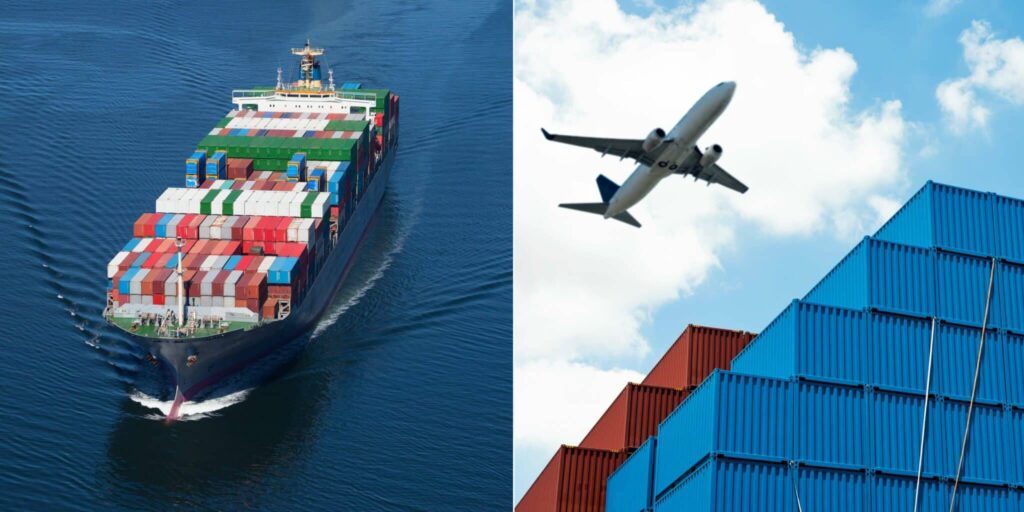
Singapore serves as a major logistics and e-commerce hub in Southeast Asia, offering proximity to Malaysia, Indonesia, and Thailand. Therefore, many Amazon sellers source products from China and store or fulfill orders via Amazon FBA Singapore.
Moreover, China’s export cities like Shenzhen, Guangzhou, Yiwu, and Ningbo have robust shipping networks, enabling seamless freight options—air, sea, and express—with predictable timelines and competitive prices.
| Shipping Method | Transit Time | Average Cost (USD/kg) | Best For |
|---|---|---|---|
| Express Courier | 3–5 days | $7–$10 | Small, high-value parcels |
| Air Freight | 5–7 days | $4–$6 | Fast FBA replenishment |
| Sea Freight (LCL/FCL) | 10–15 days | $1–$2 | Bulk inventory |
| Rail + Truck | 12–18 days | $2–$3 | Balanced cost-speed combo |
2. How Long Does It Take to Ship from China to Singapore?
Transit time depends on shipping mode, departure city, and destination warehouse.
| Origin (China) | Destination (Singapore) | Mode | Average Transit Time |
|---|---|---|---|
| Shenzhen | Amazon SG Warehouse | Express | 3–4 days |
| Shanghai | Singapore Port | Sea (LCL) | 12–15 days |
| Guangzhou | Changi Airport | Air Freight | 5–7 days |
| Ningbo | Jurong Port | FCL (40ft) | 10–12 days |
Express and air freight are preferred for FBA inventory restock, while sea freight is ideal for large-scale shipments with cost constraints.
3. What Are the Main Shipping Options for Amazon Logistics?
Different types of freight suit different business needs. Below are the most popular options for Amazon sellers:
| Option | Pros | Cons |
|---|---|---|
| Sea Freight | Low cost, large capacity | Slower transit |
| Air Freight | Fast, reliable | Costlier |
| Express Courier (DHL, FedEx, UPS) | Door-to-door delivery | Expensive for bulk |
| FCL (Full Container Load) | Dedicated space, secure | Requires full container |
| LCL (Less than Container Load) | Economical for small loads | Longer handling time |
Therefore, combining LCL sea freight for bulk items and air/express freight for top-selling SKUs can optimize both speed and cost.
4. How Does Amazon FBA Work for Singapore?
Amazon FBA (Fulfillment by Amazon) allows sellers to store inventory in Amazon’s Singapore warehouse, where Amazon handles order fulfillment, packaging, and delivery.
To send inventory from China, follow these steps:
- Create a shipment plan in Amazon Seller Central (choose Singapore as destination).
- Label products according to Amazon FBA guidelines.
- Choose a freight forwarder with FBA experience.
- Provide commercial invoice, packing list, and FBA shipment ID.
- Track and confirm delivery to the Amazon SG fulfillment center.
5. How Much Does Amazon Logistics from China to Singapore Cost?
Shipping costs vary based on weight, volume, and transport method. Below is an average pricing reference:
| Service Type | Approx. Cost (USD/kg) | Transit Time | Details |
|---|---|---|---|
| Express Courier | $7 – $10 | 3–5 days | Door-to-door |
| Air Freight | $4 – $6 | 5–7 days | Airport-to-warehouse |
| Sea Freight (LCL) | $1 – $2 | 10–15 days | Best for bulk |
| FCL (40ft Container) | $2,800 – $3,800 | 10–12 days | 25–28 CBM cargo |
Pro Tip: Always confirm DDP (Delivered Duty Paid) pricing to include customs clearance, taxes, and delivery to Amazon warehouses.
Are you ready to book?
Access live instant freight quotes
6. What Documents Are Required for Customs Clearance?
Proper documentation ensures smooth customs processing when importing from China to Singapore.
| Required Document | Purpose |
|---|---|
| Commercial Invoice | Declares shipment value and buyer/seller info |
| Packing List | Details products and quantities |
| Bill of Lading / Air Waybill | Transport document |
| Certificate of Origin | Verifies production country |
| Import Permit (if applicable) | For restricted goods |
| FBA Shipment ID | Identifies delivery for Amazon warehouse |
Additionally, working with an experienced freight forwarder minimizes customs delays and ensures compliance with Singapore’s Customs Act.
7. What Are the Advantages of Using Amazon Logistics to Singapore?
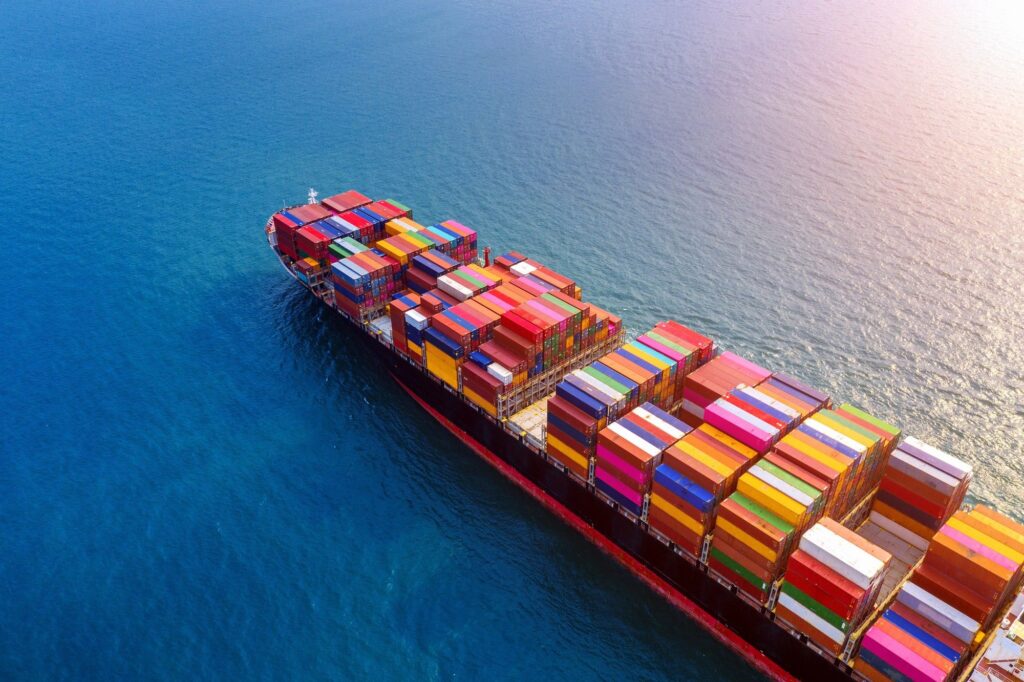
- Proximity and connectivity: Singapore’s central location enables faster regional shipping.
- Stable trade relations: Strong China–Singapore partnerships simplify logistics.
- Low import duties: Many consumer goods have 0% tariff under FTA.
- Advanced port and airport systems: Changi Airport and Jurong Port handle large e-commerce volumes efficiently.
- Efficient customs clearance: Singapore’s customs are among the fastest globally.
8. How to Handle Duties and Taxes for Imports into Singapore?
Singapore applies Goods and Services Tax (GST) at 8% (2025 rate) on imported goods valued above S$400.
| Cost Component | Rate/Details |
|---|---|
| GST | 8% of CIF value (Cost + Insurance + Freight) |
| Customs Duty | 0% for most goods (except alcohol, tobacco, motor vehicles) |
| Processing Fee | Minimal, varies by freight forwarder |
Note: Amazon FBA shipments usually include GST payment in the DDP quote if handled by the logistics provider.
9. Which Amazon Warehouses Are in Singapore?
Amazon operates multiple fulfillment and distribution centers across Singapore.
| Facility | Location | Purpose |
|---|---|---|
| Amazon Fulfillment Center | West Singapore | Storage, order picking |
| Amazon Prime Hub | Near Changi | Last-mile delivery |
| Cross-Border Facility | Tuas | Regional distribution to Malaysia/Indonesia |
This ensures quick fulfillment for customers across Southeast Asia and supports both FBA and FBM (Fulfilled by Merchant) sellers.
10. How Does Air Freight Compare with Sea Freight?
| Criteria | Air Freight | Sea Freight |
|---|---|---|
| Speed | 5–7 days | 10–15 days |
| Cost | Higher | Lower |
| Capacity | Limited | Very high |
| Best For | Urgent, high-value goods | Bulk inventory |
| Tracking | Real-time | Limited |
| Reliability | Excellent | Moderate |
Air freight is best for FBA restock or product launches, while sea freight suits long-term inventory shipments.
Conclusion
Choosing the right Amazon logistics China to Singapore solution ensures timely delivery, reduced costs, and compliance with FBA requirements. Whether through air, sea, or express freight, a professional logistics partner helps sellers streamline the supply chain, manage customs efficiently, and maintain smooth Amazon operations.
For fast, reliable, and hassle-free cross-border delivery, ChinaTopFreight provides comprehensive logistics solutions tailored for Amazon sellers across Asia.
FAQ
1. Can I ship directly from China to Amazon Singapore FBA?
Yes, you can ship directly to Amazon’s fulfillment center in Singapore via air, sea, or express freight with DDP service.
2. What’s the average delivery time for FBA shipments to Singapore?
Air freight takes about 5–7 days, while sea freight typically requires 10–15 days depending on port and customs clearance.
3. Do I need to pay import tax for Amazon FBA shipments?
Yes, shipments above S$400 value are subject to 8% GST, usually included in DDP quotes by freight forwarders.
4. Can I send mixed products in one shipment?
Yes, you can consolidate different SKUs as long as they’re properly labeled and listed under your Amazon shipment plan.
5. How can I track my shipment to Amazon Singapore?
Freight forwarders provide online tracking systems and updates once goods clear customs and reach Amazon’s receiving dock.