

- By ayla tj
- November 11, 2025
- Logistics Guide
Efficient sea freight China to Japan is one of the most vital logistics routes in East Asia. As neighboring trade partners with thriving import–export activities, businesses rely on sea transport to move everything from industrial components to consumer electronics. This guide covers transit times, shipping costs, customs procedures, and expert logistics tips to streamline your China–Japan supply chain.

1. Why Choose Sea Freight from China to Japan?
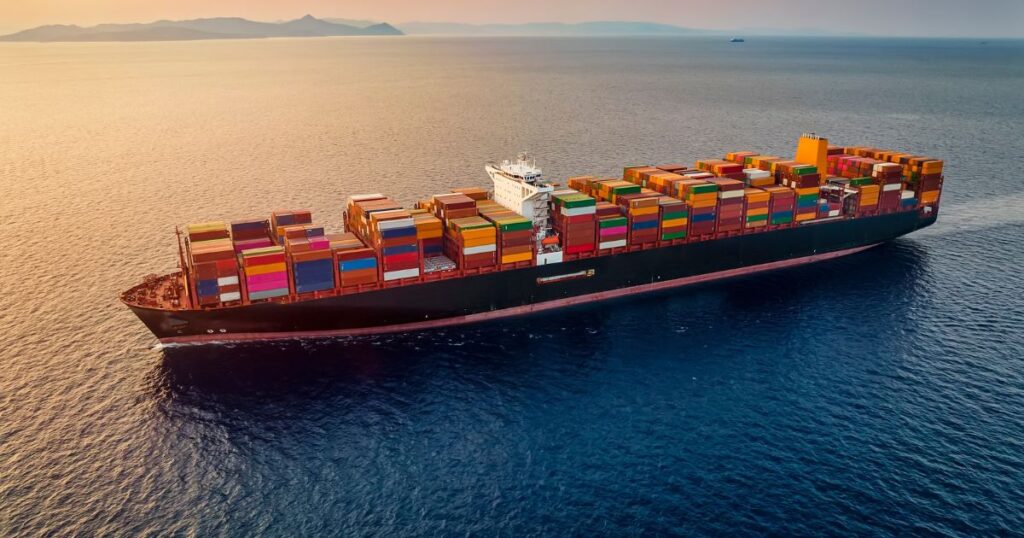
Sea freight remains the most popular shipping option for Chinese exports to Japan due to its cost-effectiveness, high volume capacity, and reliable schedules. The short maritime distance between the two nations enables frequent sailings and steady cargo flows.
| Shipping Method | Transit Time | Average Cost (USD/kg) | Best For |
|---|---|---|---|
| Sea Freight | 3–7 days | $0.10–$0.30 | Large, non-urgent cargo |
| Air Freight | 1–3 days | $3–$6 | Urgent or high-value goods |
| Express Courier | 1–2 days | $5–$10 | Small parcels |
Additionally, sea freight offers excellent stability in pricing and can handle oversized or heavy cargo that air transport cannot accommodate.
2. How Long Does Sea Freight from China to Japan Take?
The transit time for sea freight varies depending on the departure and destination ports, as well as the shipping line’s schedule.
| Origin Port (China) | Destination Port (Japan) | Transit Time (Days) |
|---|---|---|
| Shanghai | Yokohama | 3–4 days |
| Ningbo | Osaka | 4–6 days |
| Qingdao | Tokyo | 5–6 days |
| Shenzhen | Kobe | 6–7 days |
| Tianjin | Nagoya | 5–6 days |
Short sailing distances between China’s coastal ports and Japan’s major harbors allow for quick turnaround times, ideal for both FCL (Full Container Load) and LCL (Less than Container Load) shipments.
3. What Are the Main Sea Routes from China to Japan?
China and Japan are connected through multiple maritime trade corridors across the East China Sea.
| Route | Primary Chinese Port | Japanese Port | Frequency |
|---|---|---|---|
| Eastern Route | Shanghai | Yokohama, Tokyo | Daily |
| Southern Route | Shenzhen, Xiamen | Osaka, Kobe | 4–5 sailings/week |
| Northern Route | Qingdao, Dalian | Nagoya, Niigata | 3–4 sailings/week |
These routes are serviced by top carriers such as Maersk, COSCO, ONE, Evergreen, and NYK Line, offering high reliability and competitive rates.
4. How Much Does Sea Freight from China to Japan Cost?
Sea freight rates depend on container size, port combination, and cargo type. Below is a general cost estimate:
| Container Type | Average Cost (USD) | Cargo Volume (CBM) |
|---|---|---|
| 20ft Container | $600 – $1,000 | 33 CBM |
| 40ft Container | $1,000 – $1,400 | 67 CBM |
| LCL (Per CBM) | $40 – $70 | Shared space |
Note: Prices fluctuate based on season, fuel costs, and trade demand. Bulk shippers often negotiate lower rates with forwarders.
Are you ready to book?
Access live instant freight quotes
5. FCL vs LCL: Which Should You Choose for Shipping to Japan?
Choosing between FCL and LCL depends on shipment size and budget.
| Factor | FCL (Full Container Load) | LCL (Less than Container Load) |
|---|---|---|
| Cost Efficiency | Better for bulk cargo | Ideal for smaller volumes |
| Transit Speed | Direct shipment | May have consolidation delay |
| Security | Higher—exclusive use | Shared with other shippers |
| Customs Handling | Faster | Slightly longer due to consolidation |
| Recommended Volume | ≥15 CBM | <15 CBM |
If your cargo volume exceeds 15 CBM or occupies more than half a 20ft container, FCL shipping is the best choice.
6. What Are the Major Ports Involved in China–Japan Sea Freight?
Main Ports in China
- Shanghai Port: The world’s busiest container port.
- Shenzhen Port: Ideal for electronics and export goods.
- Ningbo-Zhoushan Port: Major trade hub for East Asia.
- Qingdao Port: North China’s key shipping center.
- Xiamen Port: Suited for smaller exporters and e-commerce goods.
Main Ports in Japan
- Port of Yokohama: Near Tokyo, ideal for consumer goods.
- Port of Osaka: Handles manufacturing and textiles.
- Port of Kobe: Strong connection with Chinese industrial exports.
- Port of Nagoya: Largest for automotive cargo.
- Port of Tokyo: Central hub for imports and distribution.
These ports have short sailing distances and regular connections, enabling a steady logistics flow for cross-border supply chains.
7. What Documents Are Required for Sea Freight to Japan?
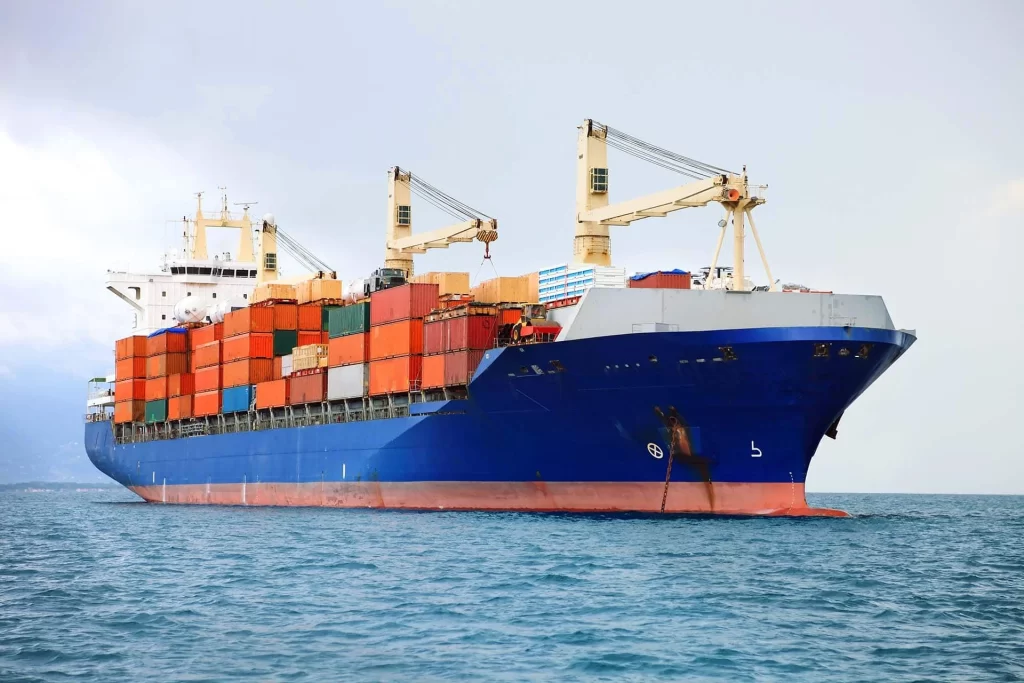
Proper documentation ensures smooth customs clearance for imports into Japan.
| Required Document | Purpose |
|---|---|
| Bill of Lading | Official proof of shipment |
| Commercial Invoice | Declares goods’ value and description |
| Packing List | Lists cargo contents and packaging details |
| Certificate of Origin | Confirms manufacturing country |
| Import Declaration | Required for customs clearance |
| Insurance Certificate | Covers loss or damage during transit |
Additionally, Japan’s customs authorities may require product-specific certifications for electronics, food, or medical equipment imports.
8. How Are Customs Duties and Taxes Calculated in Japan?
Japan applies customs duty and consumption tax (10%) on imported goods. Duties are determined by the HS code classification.
| Product Type | Average Duty Rate |
|---|---|
| Electronics | 0–3% |
| Apparel | 8–10% |
| Machinery | 2–5% |
| Furniture | 3–8% |
| Food Items | 5–12% |
Pro Tip: Using an experienced freight forwarder ensures correct tariff classification and minimizes clearance delays.
9. What Are the Benefits of Sea Freight Between China and Japan?
- High Frequency: Multiple sailings per week.
- Short Distance: 3–7 days transit time.
- Low Cost: Economical for bulk shipments.
- Eco-Friendly: Lower carbon footprint than air freight.
- Flexible Load Options: Supports FCL and LCL cargo.
- Extensive Port Network: Covers all major manufacturing regions.
Moreover, sea freight offers excellent scalability, making it ideal for both SMEs and large corporations managing regular trade volumes.
10. What Are Common Challenges in Sea Freight to Japan?
While efficient, importers must navigate a few challenges:
- Customs complexity for regulated goods.
- Weather disruptions during typhoon season (August–October).
- Peak-season congestion around holidays like Golden Week.
- Documentation errors causing clearance delays.
However, with proper planning and reliable partners, these issues can be minimized.
Conclusion
Choosing sea freight China to Japan is a smart, sustainable, and affordable solution for businesses handling regular imports. With short transit times, strong port infrastructure, and reliable carriers, this route supports steady supply chain operations between two of Asia’s largest economies.
By partnering with a professional freight forwarder like ChinaTopFreight, you can simplify customs, reduce costs, and ensure every shipment arrives on time and in perfect condition.
FAQ
1. What is the average sea freight time from China to Japan?
Transit takes 3–7 days, depending on the port combination, vessel schedule, and customs clearance efficiency.
2. Can I ship small cargo from China to Japan?
Yes, LCL (Less than Container Load) allows you to share container space and pay only for your cargo’s volume.
3. Are there daily sailings between China and Japan?
Yes, major ports like Shanghai, Ningbo, and Shenzhen have daily or near-daily sailings to Japan’s major cities.
4. What Incoterms are commonly used for China–Japan trade?
FOB (Free on Board) and CIF (Cost, Insurance & Freight) are most popular for sea freight shipments.
5. How do I calculate import tax for goods entering Japan?
Import taxes are based on product HS codes and CIF value (Cost + Insurance + Freight).