

- By ayla tj
- November 11, 2025
- Logistics Guide
Managing machinery freight from China requires expertise, precise coordination, and the right logistics strategy. From industrial equipment to agricultural machines, importers depend on reliable freight services to ensure safe, timely, and cost-effective delivery. This comprehensive guide explains how to ship machinery from China globally—covering transport modes, shipping costs, documentation, customs clearance, and more.
1. Why Machinery Freight from China Is in High Demand
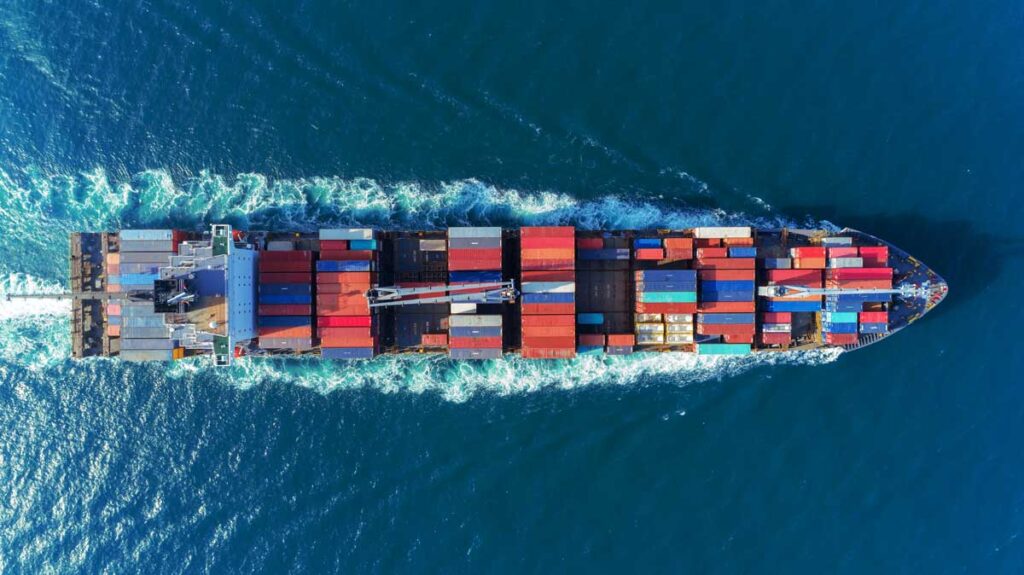
China is the world’s largest machinery exporter, supplying everything from construction machines and manufacturing tools to electrical and textile equipment.
Buyers choose machinery freight from China due to its lower manufacturing cost, vast supply chain, and strong international logistics infrastructure.
Moreover, China’s ports—Shanghai, Shenzhen, Ningbo, Qingdao, and Guangzhou—are connected to global sea, air, and rail networks, enabling seamless export operations to countries like the USA, Germany, Australia, and the UK.
2. What Are the Main Shipping Methods for Machinery from China?
Different types of machinery require tailored shipping solutions based on weight, size, urgency, and destination.
| Shipping Method | Transit Time | Average Cost (USD/kg) | Best For | Pros | Cons |
|---|---|---|---|---|---|
| Sea Freight | 25–40 days | $0.3–$0.8 | Heavy/bulky machinery | Low cost, high capacity | Slow transit |
| Air Freight | 5–10 days | $4–$8 | Urgent, light parts | Fast and secure | High cost |
| Rail Freight | 14–20 days | $2–$3 | To Europe | Balanced time-cost | Limited coverage |
| Express Courier | 3–7 days | $7–$10 | Small components | Door-to-door | Limited by weight |
Pro Tip: For machinery exceeding 500 kg, FCL sea freight is typically the most cost-efficient option.
3. How Much Does Machinery Shipping from China Cost?
Costs depend on cargo size, destination, shipping mode, and Incoterms (FOB, CIF, DDP).
| Container Type | Estimated Cost (USD) | Capacity (CBM) | Suitable For |
|---|---|---|---|
| 20ft Container | $1,200 – $1,800 | 33 CBM | Small or medium machines |
| 40ft Container | $2,000 – $2,800 | 67 CBM | Large or multiple machines |
| Air Freight (per kg) | $4 – $8 | N/A | Urgent spare parts |
| Rail Freight (per CBM) | $150 – $250 | N/A | Europe-bound shipments |
Additionally, importers should factor in:
- Insurance (1–2% of cargo value)
- Port handling and customs fees
- Inland transportation costs
- Packaging and loading expenses
What are you waiting for?
Contact chinatopfreight for a fast, free quote.
Are you ready to book?
Access live instant freight quotes
4. What Is the Best Way to Ship Heavy Machinery from China?
Sea Freight (FCL/LCL)
- FCL (Full Container Load): Suitable for large, single shipments of machinery.
- LCL (Less than Container Load): Best for small volumes that don’t fill a container.
Break Bulk or RO-RO (Roll-on/Roll-off)
- For oversized or non-containerized machinery, such as bulldozers, excavators, or generators.
- Machinery is directly rolled or lifted onto the vessel, minimizing handling damage.
Air Freight for Urgent Machinery
- Ideal for spare parts or prototypes needing fast delivery.
- Requires professional crating and documentation to meet IATA standards.
5. How to Prepare Machinery for International Shipping
Proper preparation reduces the risk of damage and customs issues.
Key Steps
Clean machinery to avoid quarantine issues.
Disassemble large units into manageable components.
Use anti-rust coatings for long voyages.
Securely crate and palletize for loading.
Include clear labeling and weight markings.
Recommended Packaging Materials
- Steel or wooden crates
- Shockproof pallets
- Waterproof wrapping
- Desiccants for humidity control
6. What Documents Are Needed for Machinery Freight from China?
Correct documentation ensures smooth customs clearance and compliance with international trade laws.
| Document | Purpose |
|---|---|
| Commercial Invoice | Details buyer, seller, and value |
| Packing List | Lists machinery specifications |
| Bill of Lading (B/L) | Contract between shipper and carrier |
| Certificate of Origin | Verifies manufacturing country |
| Export Declaration | Required by Chinese customs |
| Insurance Certificate | Protects against loss/damage |
| CE/FCC Certificate (if applicable) | Compliance for electronic or mechanical goods |
Note: Some countries require additional certifications for safety or energy compliance.
7. What Are the Customs and Tax Requirements?
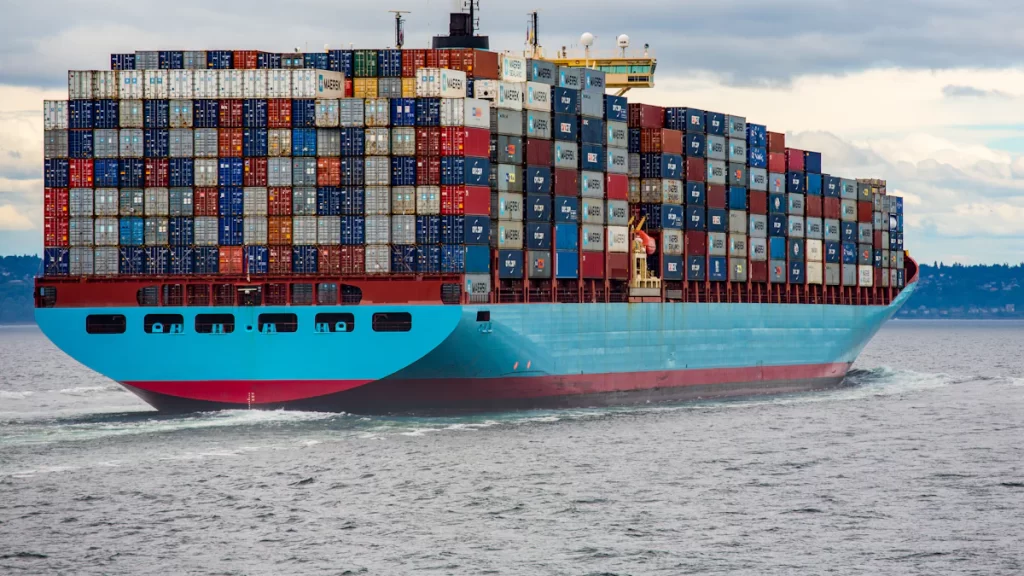
Import Duties
Machinery often benefits from lower tariffs under trade agreements, but rates depend on HS codes.
| Region | Duty Rate Range | VAT/GST |
|---|---|---|
| USA | 0–5% | None |
| EU | 2–8% | 21% VAT (average) |
| Australia | 0–5% | 10% GST |
| UK | 2–6% | 20% VAT |
Common Customs Challenges
- Incorrect HS code classification
- Missing product manuals or safety certificates
- Incomplete invoices or inconsistent weight data
Working with a freight forwarder experienced in machinery shipments ensures customs compliance and quick clearance.
8. Sea vs Air vs Rail: Which Is the Best Option for Machinery?
| Criteria | Sea Freight | Air Freight | Rail Freight |
|---|---|---|---|
| Transit Time | 25–40 days | 5–10 days | 14–20 days |
| Cost | Lowest | Highest | Moderate |
| Capacity | High | Limited | Medium |
| Eco-Friendliness | High | Low | Medium |
| Recommended For | Heavy equipment | Spare parts | EU-bound machinery |
Conclusion: Choose sea freight for heavy machinery, air freight for urgent spare parts, and rail freight for mid-sized EU shipments.
9. How Long Does It Take to Deliver Machinery from China?
| Destination | Shipping Mode | Transit Time (Days) |
|---|---|---|
| USA (West Coast) | Sea Freight | 25–30 |
| Germany | Rail Freight | 15–18 |
| UK | Sea Freight | 30–34 |
| Australia | Sea Freight | 18–22 |
| UAE | Sea Freight | 15–20 |
| Canada | Air Freight | 5–8 |
Additionally, customs clearance may add 3–5 working days depending on the port and documentation accuracy.
11. How to Reduce Machinery Freight Costs from China
- Book early during non-peak seasons.
- Choose sea or rail freight for bulk cargo.
- Negotiate long-term contracts with carriers.
- Use consolidated shipping for smaller machinery.
- Work with freight forwarders offering DDP solutions.
- Ensure correct packaging to avoid dimensional weight surcharges.
Moreover, maintaining accurate documentation avoids costly customs delays or penalties.
Conclusion
Efficient machinery freight from China requires selecting the right transport mode, understanding customs rules, and preparing proper documentation. Whether shipping via sea, air, or rail, working with a trusted logistics partner ensures cost efficiency, timely delivery, and complete cargo protection.
For dependable, global machinery transport, ChinaTopFreight offers one-stop logistics solutions—from factory pickup to final delivery—helping your business move heavy equipment safely and affordably.
FAQ
1. How do I ship heavy machinery from China?
Use sea freight or RO-RO shipping for heavy equipment. Ensure professional crating, documentation, and insurance before departure.
2. What’s the average cost to ship machinery from China?
Costs range between $0.3–$1.0 per kg for sea freight, depending on size, destination, and Incoterms.
3. Is air freight suitable for machinery?
Yes, but only for lightweight machinery or urgent spare parts due to high per-kilogram costs.
4. Do I need insurance for machinery shipments?
Yes, machinery should always be insured against damage, theft, or loss during international transit.
5. How can I ensure smooth customs clearance?
Provide accurate HS codes, complete invoices, and necessary certificates like CE or ISO compliance.