

- By ayla tj
- November 11, 2025
- Logistics Guide
Managing ocean freight China to Europe is crucial for importers seeking cost-effective and reliable logistics. With Europe being one of China’s largest trading partners, choosing the right sea freight solution ensures timely delivery, optimized costs, and smooth customs clearance. This comprehensive guide explains costs, transit times, shipping routes, Incoterms, and professional tips to streamline your shipping process.

1. Why Choose Ocean Freight from China to Europe?
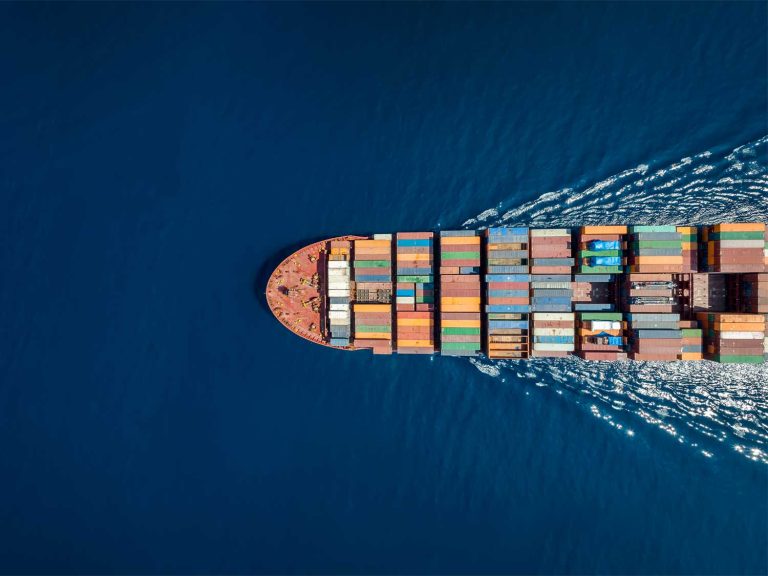
Ocean freight remains the most economical and sustainable shipping method for bulk goods. It connects major Chinese ports—Shanghai, Shenzhen, Ningbo, Qingdao—to Europe’s logistics gateways such as Rotterdam, Hamburg, Antwerp, and Valencia.
Moreover, with advanced container tracking and established sea routes, it offers reliability for FCL (Full Container Load) and LCL (Less than Container Load) shipments.
| Shipping Type | Transit Time | Average Cost (USD) | Best For |
|---|---|---|---|
| FCL (20ft/40ft) | 28–38 days | $2,000–$4,800 | Large, high-volume goods |
| LCL | 30–42 days | $60–$90/CBM | Small or mixed cargo |
| Express Sea Freight | 20–25 days | $150–$200/CBM | Urgent shipments |
Conclusion: For most importers, ocean freight from China to Europe balances affordability, reliability, and scalability.
2. What Are the Main Shipping Routes from China to Europe?
Ocean freight follows multiple sea routes, each optimized for distance and port accessibility.
| Route | Chinese Port | European Port | Average Transit Time |
|---|---|---|---|
| East China – Northern Europe | Shanghai / Ningbo | Rotterdam / Hamburg | 30–35 days |
| South China – Western Europe | Shenzhen / Guangzhou | Valencia / Antwerp | 25–30 days |
| North China – Mediterranean | Qingdao / Tianjin | Piraeus / Genoa | 28–32 days |
| Mixed Consolidation Route | Multiple | Various EU Ports | 35–40 days |
Pro Tip: Choose a direct service route (non-transshipment) for faster delivery and fewer handling risks.
3. How Long Does Ocean Freight Take from China to Europe?
Transit time depends on origin, destination, and carrier schedule. On average, it takes 30 to 40 days port-to-port and about 45–50 days door-to-door, considering customs clearance and inland trucking.
| Origin (China) | Destination (Europe) | Average Transit (Days) |
|---|---|---|
| Shanghai → Rotterdam | 30–32 | |
| Ningbo → Hamburg | 33–35 | |
| Shenzhen → Antwerp | 28–31 | |
| Qingdao → Genoa | 34–37 | |
| Xiamen → Marseille | 29–32 |
Rates vary based on fuel, peak seasons, and carrier availability.
4. What Are the Costs of Ocean Freight from China to Europe?
Shipping costs fluctuate based on container size, cargo volume, fuel surcharge, and carrier.
| Container Type | Average Price (USD) | Weight Capacity (Tons) | Volume (CBM) |
|---|---|---|---|
| 20ft Standard | $2,000–$2,800 | 21.5 | 33 |
| 40ft Standard | $3,800–$4,800 | 26.5 | 67 |
| 40ft High Cube | $4,000–$5,200 | 26.5 | 76 |
| LCL (per CBM) | $60–$90 | Based on volume | N/A |
Note: Rates may rise during peak seasons (August–November). Always request all-in quotes to include handling, customs, and destination charges.
Are you ready to book?
Access live instant freight quotes
5. What Are the Advantages of Ocean Freight Over Air or Rail Freight?
| Feature | Ocean Freight | Air Freight | Rail Freight |
|---|---|---|---|
| Cost | Lowest | Highest | Moderate |
| Transit Time | 30–40 days | 5–8 days | 15–22 days |
| Capacity | Very high | Limited | Medium |
| Eco-Friendliness | High | Low | Medium |
| Best For | Bulk & heavy goods | Urgent cargo | Medium shipments |
Therefore, while air freight suits time-sensitive goods and rail freight offers moderate speed, ocean freight remains unmatched in volume capacity and affordability.
6. What Are the Common Types of Containers Used?
Different products require specific container types to maintain condition and efficiency.
| Container Type | Dimensions (L×W×H) | Use Case |
|---|---|---|
| 20ft Standard | 5.9m × 2.35m × 2.39m | General cargo |
| 40ft Standard | 12.03m × 2.35m × 2.39m | Bulk goods |
| 40ft High Cube | 12.03m × 2.35m × 2.69m | Light but bulky cargo |
| Reefer (Refrigerated) | Varies | Food, pharmaceuticals |
| Open Top | Varies | Oversized equipment |
| Flat Rack | Varies | Machinery and vehicles |
Selecting the correct container reduces risk and optimizes freight cost efficiency.
7. What Documents Are Required for Ocean Freight from China to Europe?
Accurate documentation ensures smooth customs clearance and compliance with trade laws.
| Document | Purpose |
|---|---|
| Bill of Lading (B/L) | Legal contract between shipper and carrier |
| Commercial Invoice | Declares value and buyer-seller details |
| Packing List | Itemized cargo details |
| Certificate of Origin | Confirms manufacturing country |
| Insurance Certificate | Covers cargo damage or loss |
| Import Declaration (EU) | Required for customs clearance |
| Product Compliance Certificates | For electronics, textiles, or machinery |
Incomplete paperwork can lead to delays, penalties, or cargo holds at European ports.
8. What Are the Major European Ports Handling Chinese Imports?
Europe’s logistics infrastructure features some of the world’s busiest and most efficient ports.
| Port | Country | Annual Volume (TEUs) | Specialization |
|---|---|---|---|
| Rotterdam | Netherlands | 14.3 million | Largest import hub |
| Hamburg | Germany | 8.7 million | Machinery and industrial goods |
| Antwerp | Belgium | 12 million | Chemicals and electronics |
| Valencia | Spain | 5.6 million | Mediterranean gateway |
| Piraeus | Greece | 5.3 million | Transshipment hub for Asia |
Rotterdam and Hamburg dominate northern Europe, while Valencia and Piraeus serve the Mediterranean corridor.
9. How Does Customs Clearance Work in Europe?
European customs regulations are governed by the EU Customs Union, applying uniform import policies across member states.
Key Steps:
- Submit an Import Declaration (DAU form) electronically.
- Pay applicable VAT and import duties based on HS codes.
- Provide inspection certificates for regulated goods (CE mark, RoHS).
- Obtain customs release after clearance.
| Category | Duty Rate | VAT (Average) |
|---|---|---|
| Electronics | 0–4% | 21% |
| Machinery | 2–5% | 21% |
| Apparel & Textiles | 10–12% | 21% |
| Furniture | 3–5% | 21% |
Working with a freight forwarder simplifies this process, ensuring compliance and timely release.
10. What Are Common Incoterms Used for China–Europe Ocean Freight?
| Incoterm | Seller’s Responsibility | Buyer’s Responsibility |
|---|---|---|
| EXW (Ex Works) | Factory delivery only | All shipping and customs |
| FOB (Free on Board) | Export clearance and loading | Freight and insurance |
| CIF (Cost, Insurance, Freight) | Sea freight and insurance | Import taxes |
| DDP (Delivered Duty Paid) | All-inclusive door-to-door | None |
CIF is most common for European importers, offering balanced cost and control over freight.
Conclusion
Efficient ocean freight China to Europe depends on choosing the right route, carrier, and freight partner. With consistent shipping schedules, cost-effective container options, and modern European ports, sea freight remains the backbone of international trade between the two regions.
By partnering with an experienced logistics provider like ChinaTopFreight, you ensure reliable shipping, simplified customs, and transparent pricing—helping your business stay competitive in global commerce.
FAQ
1. How long does ocean freight take from China to Europe?
Transit times average 30–40 days port-to-port, depending on route, weather, and customs clearance procedures.
2. What’s the cheapest way to ship goods from China to Europe?
Sea freight (FCL) offers the lowest cost per unit for large volumes, though it’s slower than rail or air freight.
3. Which ports in Europe receive the most Chinese cargo?
Rotterdam, Hamburg, and Antwerp are the top destinations for Chinese containerized goods entering Europe.
4. Are there size limits for ocean freight shipments?
No strict limits, but oversized or heavy cargo may require flat rack or open-top containers with additional fees.
5. What’s the difference between FCL and LCL?
FCL uses a full container for one shipper, while LCL combines multiple shipments in one container to reduce cost.