

- By carlie tj
- November 12, 2025
- Logistics Guide
Shipping heavy machinery overseas is complex, involving cost, timing, and strict customs processes. If you’re planning machinery sea freight China to UK, this guide provides everything you need — from choosing the best routes to understanding customs requirements. For trusted freight solutions, visit ChinaTopFreight to simplify your shipping from China to the UK.
1. What Is Machinery Sea Freight from China to the UK?
Machinery sea freight China to UK refers to transporting industrial or commercial machines by ocean cargo. It’s the most cost-effective way to move large, heavy, or oversized equipment such as construction machines, manufacturing tools, and agricultural units.
Shipping by sea is slower than air but ideal for high-volume shipments, offering flexibility in container options (FCL or LCL) and lower per-unit shipping costs.
2. Why Choose Sea Freight for Machinery Shipping?
Sea freight remains the preferred method for heavy machinery due to its:
| Factor | Benefit | Comparison to Air Freight |
|---|---|---|
| Cost | Lowest per cubic meter | Up to 70% cheaper |
| Capacity | Handles oversized or heavy cargo | Limited by aircraft weight |
| Safety | Secure containerized transport | More handling during flights |
| Flexibility | Multiple container types | Restricted cargo size |
| Environmental Impact | Lower CO₂ emissions per ton | Higher carbon footprint |
This method suits industrial machinery, engines, compressors, generators, and factory equipment, ensuring balance between cost and safety.
3. How Long Does Machinery Sea Freight from China to the UK Take?
Transit time depends on port locations, shipping lines, and customs clearance efficiency.
| Route | Estimated Transit Time | Mode |
|---|---|---|
| Shanghai → Felixstowe | 30–35 days | FCL |
| Shenzhen → Southampton | 28–33 days | FCL/LCL |
| Ningbo → London Gateway | 32–36 days | FCL |
| Qingdao → Liverpool | 33–38 days | FCL |
Additionally, customs inspection and inland transport may add 3–5 days. Planning at least 40 days total is ideal for machinery shipments.
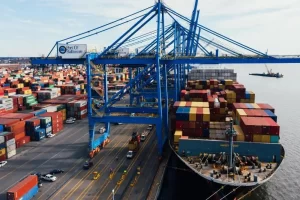
4. What Are the Costs for Machinery Sea Freight from China to the UK?
Pricing varies by container type, cargo volume, and delivery service (door-to-port, door-to-door).
| Container Type | Average Cost (USD) | Cargo Capacity |
|---|---|---|
| 20ft FCL | $2,200 – $2,800 | 28–30 CBM |
| 40ft FCL | $3,500 – $4,500 | 58–60 CBM |
| LCL (per CBM) | $80 – $150 | Shared container |
Additional fees include port charges, documentation, insurance, and inland trucking in the UK. Working with experienced freight forwarders ensures transparent pricing.
5. What Documents Are Needed for Machinery Sea Freight?
When shipping machinery from China to the UK, accurate documentation is critical to avoid customs delays.
Common Documents Required:
- Commercial Invoice
- Packing List
- Bill of Lading (B/L)
- Certificate of Origin
- Import License (for restricted machinery)
- Insurance Certificate
- CE Certification (for compliance with EU/UK standards)
Customs authorities may inspect machinery to verify compliance with UK import safety and emission regulations.
6. How to Choose Between FCL and LCL for Machinery Shipping?
FCL (Full Container Load):
- Best for large or heavy machines.
- Exclusive use of a container ensures safety and less handling.
LCL (Less than Container Load):
- Suitable for smaller parts or modular equipment.
- Cost-effective but may experience longer transit times.
Recommendation: For expensive or heavy industrial machinery, FCL is generally safer and more efficient.
rally safer and more efficient.
7.Conclusion
ChinaTopFreight offers specialized machinery sea freight from China to the UK, covering every step — from pickup, documentation, and packing to customs and delivery. Contact our expert team today to get a tailored quote for your heavy equipment shipment.
8. Request a Quote
China Top Freight offers:
- ✅ Origin and Destination Countries
- ✅ Cargo Type and Volume
- ✅ Preferred Transport Method (Air, Sea, Rail, Road)
- ✅ Delivery Timeline
- ✅ Special Handling Requirements (if any)
💬9. FAQ
1. What is the cheapest way to ship machinery from China to the UK?
The most affordable method is sea freight using FCL containers, offering the lowest cost per unit for large or heavy cargo.
2. How long does machinery sea freight take from China to the UK?
On average, shipping takes 30–35 days port-to-port, plus additional time for customs clearance and local UK delivery.
2. How long does machinery sea freight take from China to the UK?
Yes, but ensure it meets UK import regulations and provide inspection certificates proving safety, emissions, and compliance.
4. What container type is best for heavy machinery?
Flat rack or open-top containers are ideal for oversized machinery that cannot fit into standard enclosed containers.
5. Is insurance necessary for machinery sea freight?
Insurance is strongly recommended to protect against potential damage or loss during transit over long ocean routes.