

- By carlie tj
- November 12, 2025
- Logistics Guide
Shipping industrial machinery across continents involves more than just booking a container. It requires understanding logistics, transit time, customs, and coordination across multiple ports. With ChinaTopFreight, businesses can easily estimate the time to ship machinery from China to Europe, streamline operations, and ensure timely delivery.
1. What Is the Average Time to Ship Machinery from China to Europe?
The time to ship machinery from China to Europe varies based on the transportation mode—sea, rail, or air—and the specific European destination. Sea freight is the most common option for bulky and heavy machinery due to its cost-effectiveness, while rail and air freight serve businesses with shorter deadlines.
| Shipping Method | Average Transit Time | Typical Route | Best For |
|---|---|---|---|
| Sea Freight | 30–45 days | Shanghai to Rotterdam | Large or heavy equipment |
| Rail Freight | 18–25 days | Xi’an to Duisburg | Medium-sized cargo needing faster delivery |
| Air Freight | 5–8 days | Guangzhou to Frankfurt | Urgent or high-value machinery |
2. How Do Shipping Routes Affect Transit Time?
Transit time depends largely on the port of origin and the European destination. Machinery shipped from northern China usually reaches Europe faster due to proximity to major ports and railway hubs.
| China Port | Main European Port | Estimated Transit Time (Sea) |
|---|---|---|
| Shanghai | Rotterdam | 35–40 days |
| Shenzhen | Hamburg | 38–45 days |
| Ningbo | Antwerp | 33–40 days |
| Qingdao | Marseille | 32–38 days |
Moreover, direct routes are faster than transshipment routes that involve cargo transfers in intermediate ports like Singapore or Dubai.
3. Why Is Sea Freight the Most Common Option for Machinery Shipping?
Sea freight remains the most popular choice due to its capacity, affordability, and flexibility. Machinery often requires special handling, such as loading via cranes or shipping in flat rack or open-top containers, which are easily available in ocean freight services.
Benefits of Sea Freight
- Cost-effective for large and heavy cargo
- Can handle oversized machinery
- Suitable for bulk and multiple-unit shipments
Limitations
- Slower transit time compared to rail or air
- Subject to weather delays and port congestion
Therefore, sea freight is ideal for companies focusing on cost optimization and long-term logistics planning.
4. How Fast Is Rail Freight for Machinery from China to Europe?
The China–Europe Railway Express offers an excellent alternative for faster delivery. Rail freight connects over 100 Chinese cities to major European hubs including Duisburg, Warsaw, Madrid, and Milan.
Typical Transit Times via Rail:
- Xi’an to Duisburg: 18–20 days
- Chongqing to Hamburg: 20–22 days
- Zhengzhou to Madrid: 22–25 days
This makes rail freight perfect for businesses requiring moderate speed and lower cost than air transport, while avoiding the long delays of sea routes.
5. How Long Does Air Freight Take for Machinery?
Air freight is the fastest but most expensive option. It is primarily used for urgent deliveries, precision machinery, or high-value industrial parts.
Transit Time (Air Freight):
- From China to Western Europe: 5–8 days
- To Eastern Europe: 6–10 days
Air freight’s speed makes it indispensable for supply chain continuity when downtime is costly, although space and weight restrictions may apply.
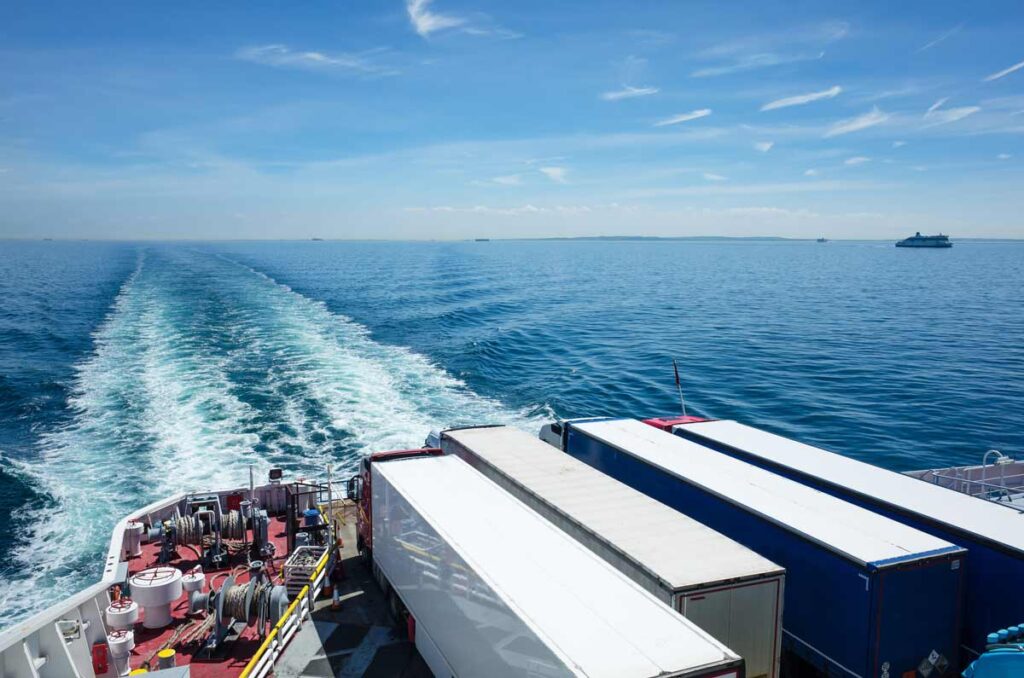
6. What Factors Influence the Time to Ship Machinery from China to Europe?
Several variables can impact delivery schedules:
- Port Congestion: Peak seasons like pre–Chinese New Year may delay sea shipments.
- Customs Clearance: Missing or incorrect documents can cause multi-day delays.
- Weather Conditions: Typhoons in the South China Sea or storms near Europe affect vessel schedules.
- Route Efficiency: Direct shipping routes are faster than multi-stop connections.
- Logistics Coordination: Professional freight forwarders ensure optimized routing and paperwork efficiency.
Efficient planning and document preparation minimize these risks significantly.
7.Conclusion
Understanding the time to ship machinery from China to Europe is essential for planning production schedules, managing costs, and ensuring business continuity. Transit times vary widely depending on route, freight type, and customs efficiency. By working with professional logistics providers like ChinaTopFreight, you can ensure faster delivery, complete documentation, and seamless coordination across borders—helping your machinery reach Europe securely and on schedule.
8. Request a Quote
China Top Freight offers:
- ✅ Origin and Destination Countries
- ✅ Cargo Type and Volume
- ✅ Preferred Transport Method (Air, Sea, Rail, Road)
- ✅ Delivery Timeline
- ✅ Special Handling Requirements (if any)
💬9. FAQ
1. What is the average transit time for machinery by sea from China to Europe?
Sea freight generally takes 30–45 days, depending on origin and destination ports and the specific shipping route selected.
2. Is rail freight faster than sea shipping for machinery?
Rail freight is typically 40% faster, with delivery times between 18–25 days compared to sea freight’s 35–45 days.
3. Can I ship oversized machinery from China to Europe?
Oversized machinery can be shipped using flat rack or open-top containers designed for heavy or irregularly shaped industrial equipment.
4. What are the fastest ports for shipping to Europe?
Shanghai and Ningbo offer the most frequent departures, while Rotterdam and Hamburg are Europe’s fastest arrival hubs.
5. What factors delay machinery shipments?
Delays usually stem from customs issues, port congestion, weather disruptions, or incomplete export documentation.