

- By ayla tj
- November 12, 2025
- Logistics Guide
When it comes to moving goods across continents, sea freight China to Italy remains the most cost-effective and reliable method for businesses of all sizes. Whether you’re shipping containers, machinery, or bulk goods, understanding shipping options, transit times, and customs procedures is essential for smooth international trade.

1. Why Choose Sea Freight from China to Italy?
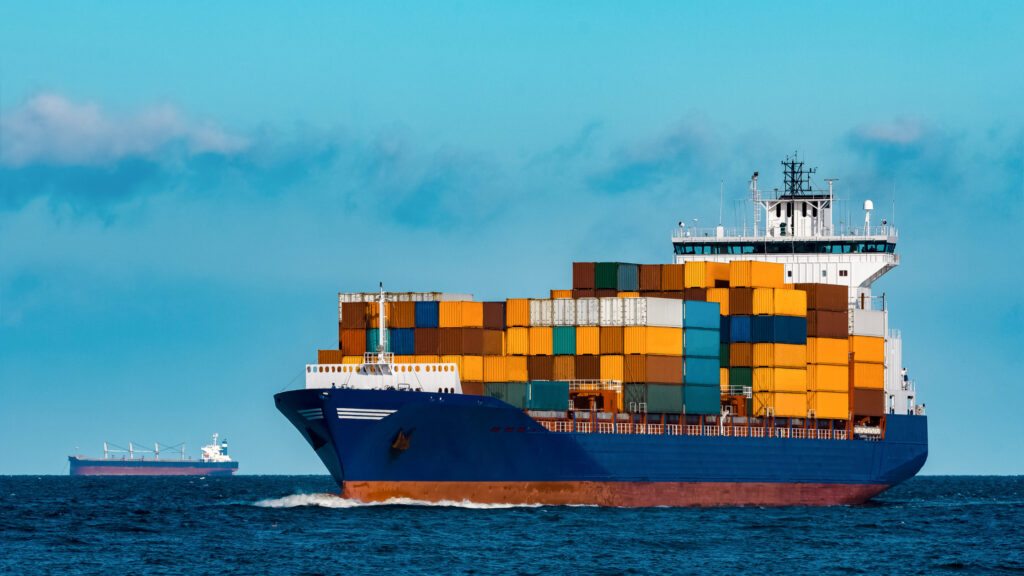
Sea freight is ideal for businesses prioritizing cost efficiency over speed. It’s the backbone of global trade, especially between China — the world’s manufacturing hub — and Italy, a key European market.
Key Benefits of Sea Freight:
- Lower transportation costs for large shipments
- High-volume cargo handling (FCL or LCL)
- Safe and environmentally friendly
- Flexible scheduling with weekly vessel departures
Moreover, sea shipping offers better cost-per-unit savings, making it perfect for importers managing high-volume or heavy cargo.
2. What Are the Main Shipping Routes Between China and Italy?
There are multiple maritime routes connecting major Chinese ports with Italian gateways such as Genoa, Venice, and La Spezia.
| Chinese Port | Italian Port | Average Transit Time | Common Goods |
|---|---|---|---|
| Shanghai | Genoa | 28–33 days | Electronics, furniture |
| Shenzhen | Venice | 30–35 days | Clothing, accessories |
| Ningbo | La Spezia | 29–34 days | Machinery, tools |
| Qingdao | Genoa | 32–37 days | Raw materials |
| Tianjin | Trieste | 33–38 days | Chemicals, heavy cargo |
Tip: Genoa is Italy’s busiest port and often provides the fastest customs clearance for containerized shipments.
3. What Are the Available Sea Freight Options from China to Italy?
Depending on shipment size and budget, you can choose between FCL (Full Container Load) and LCL (Less than Container Load) services.
| Option | Description | Ideal For | Advantages | Disadvantages |
|---|---|---|---|---|
| FCL (Full Container Load) | You rent a full container (20ft or 40ft). | Large-volume cargo | Lower unit cost, secure, faster | Higher total cost |
| LCL (Less than Container Load) | You share container space with others. | Small shipments | Cost-sharing, flexible | Slightly longer delivery due to consolidation |
| Break Bulk Shipping | For oversized or irregular cargo. | Heavy machinery | Handles non-containerized goods | Requires special equipment |
| RORO (Roll-on/Roll-off) | For vehicles or machinery on wheels. | Automobiles | Easy loading/unloading | Limited routes |
4. How Much Does Sea Freight from China to Italy Cost?
Shipping costs vary depending on volume, port distance, and container type. Below is a general cost estimate:
| Container Type | Average Cost (USD) | Description |
|---|---|---|
| 20ft Container (FCL) | $1,200–$1,600 | Suitable for small cargo |
| 40ft Container (FCL) | $1,800–$2,400 | Ideal for large shipments |
| LCL (per CBM) | $50–$80 | Shared space for low volume |
| Special Cargo | $2,000+ | Oversized or temperature-controlled |
Additional Fees:
- Port handling charges
- Customs duties and VAT
- Documentation and insurance
Pro Tip: Book in advance to avoid seasonal rate surges, especially during Chinese New Year or Europe’s peak holiday season.
Are you ready to book?
Access live instant freight quotes
5. How Long Does Sea Freight Take from China to Italy?
Transit times depend on the port of origin, carrier schedule, and customs procedures.
| Origin | Destination | Average Transit Time |
|---|---|---|
| Shanghai → Genoa | 28–33 days | |
| Shenzhen → Venice | 30–35 days | |
| Ningbo → La Spezia | 29–34 days | |
| Qingdao → Trieste | 32–38 days |
Note: Add 3–5 days for port handling and customs inspection on both sides.
6. What Documents Are Required for Sea Freight Shipping?
Proper documentation ensures quick customs clearance and compliance with Italian and EU import laws.
| Document | Description |
|---|---|
| Bill of Lading (B/L) | Proof of shipment and ownership |
| Commercial Invoice | Lists product details and value |
| Packing List | Specifies quantity and weight |
| Certificate of Origin | Confirms product’s manufacturing country |
| Import Declaration | Filed to Italian Customs Agency |
| Insurance Certificate | Covers potential damage or loss |
| CE Certification (if required) | For regulated products like electronics |
Tip: Always ensure product classification (HS code) is accurate to avoid fines or clearance delays.
7. How Are Customs Duties and Taxes Calculated in Italy?
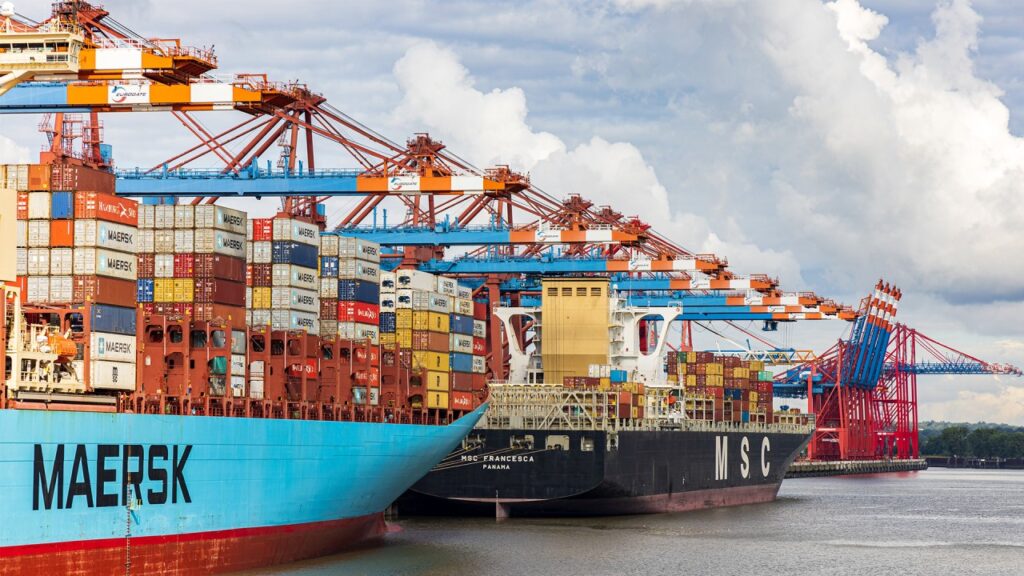
Import duties and taxes depend on product type and declared value. Italy follows EU customs regulations and applies a Value-Added Tax (VAT) on most imported goods.
| Fee Type | Rate | Applies To |
|---|---|---|
| Import Duty | 0–10% | Based on HS code |
| VAT | 22% | Calculated on CIF (Cost + Insurance + Freight) |
| Handling Fee | €100–€250 | Port documentation and customs charges |
Example Calculation:
If CIF = $10,000 and Duty = 5%
Duty = $500
VAT = 22% of ($10,000 + $500) = $2,310
Total Cost = $12,810
Your freight forwarder or customs broker can assist with accurate duty classification and payment.
8. What Are the Main Advantages of Sea Freight from China to Italy?
Sea freight is ideal for businesses balancing cost and capacity.
Advantages:
- Economical: Perfect for heavy or high-volume cargo
- Environmentally Friendly: Lower carbon emissions than air freight
- Reliable: Fixed vessel schedules from major ports
- Flexible Options: FCL, LCL, and specialized containers available
Disadvantages:
- Longer transit time compared to air or rail
- Susceptible to port delays
- Complex customs paperwork
9. How Does Sea Freight Compare to Air and Rail Freight?
| Factor | Sea Freight | Air Freight | Rail Freight |
|---|---|---|---|
| Speed | 25–35 days | 3–7 days | 18–22 days |
| Cost | Low | Very high | Moderate |
| Cargo Type | Large/bulk | Light/urgent | Medium loads |
| Environmental Impact | Low | High | Moderate |
| Reliability | High | High | Medium |
Conclusion: Sea freight is the best option for cost savings, while air freight suits urgent deliveries, and rail freight offers a middle ground for speed and cost.
10. How to Choose the Best Sea Freight Forwarder in China
Selecting a trustworthy logistics partner is essential for successful international shipping.
Key Factors to Consider:
- Licensed NVOCC or freight forwarder
- Strong global network in both China and Italy
- Transparent pricing and documentation support
- Expertise in customs compliance and HS code classification
- Real-time tracking and customer support
Pro Tip: A good forwarder offers door-to-door service, covering pickup, customs clearance, and final delivery to Italian destinations like Milan or Rome.
Conclusion
Choosing sea freight China to Italy ensures a balance of affordability, reliability, and flexibility for global shippers. With proper planning, accurate documentation, and a trusted freight forwarder, businesses can enjoy smooth delivery, reduced logistics costs, and compliance with Italian import regulations.
Whether you’re an e-commerce seller, manufacturer, or distributor, sea freight remains the best long-term solution for building a sustainable and cost-efficient trade route between China and Italy.
FAQ
1. How long does sea freight from China to Italy take?
Typically 28–35 days depending on the ports of departure and arrival, plus a few days for customs and handling.
2. Can I ship small cargo by sea from China to Italy?
Yes, through LCL (Less than Container Load), allowing you to share container space with other shippers.
3. What’s the cheapest shipping method from China to Italy?
Sea freight via LCL or FCL is the most cost-effective option for large or heavy shipments.
4. Do I need a customs broker in Italy?
Yes, brokers assist with customs documentation, duty payments, and clearance under EU import laws.
5. Are there restricted goods for import into Italy?
Yes, items such as hazardous chemicals, certain electronics, and counterfeit products require special permits or are prohibited.