

- By carlie tj
- November 13, 2025
- Logistics Guide
Importers, wholesalers, and apparel brands often struggle to understand the shipping requirements for textiles from China to USA, especially with strict customs rules and compliance standards. Since textile imports are highly regulated, mistakes can cause shipping delays, penalties, and costly rework. Partnering with an experienced forwarder like ChinaTopFreight ensures smooth, compliant textile shipments that arrive on time and in excellent condition.
1. What Are the Key Shipping Requirements for Textiles from China to the USA?
Understanding the main requirements helps avoid customs delays, unexpected charges, and product seizures. Textile shipments are regulated by multiple U.S. agencies including CBP, FTC, EPA, and CPSC.
Additionally, importers must ensure proper labeling, product testing, packaging compliance, accurate documentation, and tariff classification. Because textiles carry higher scrutiny than general cargo, preparation is crucial for fast, uninterrupted transit.
2. How Long Does It Take to Ship Textiles from China to the USA?
Transit times vary based on the shipping method and final destination.
| Shipping Mode | Cost Level | Transit Time | Pros | Cons |
|---|---|---|---|---|
| Air Freight | $$$ | 3–7 days | Fast, reliable, ideal for fashion launches | Higher cost |
| Sea Freight (FCL) | $ | 25–35 days | Lowest cost for bulk fabrics | Slow transit |
| Sea Freight (LCL) | $$ | 28–40 days | Flexible volume | Slightly slower due to consolidation |
| Express/Courier | $$$$ | 2–5 days | Very fast for samples | Expensive |
| Rail Freight* | $$ | 18–25 days | Balanced speed/cost | Limited access to U.S. |
(*Rail applies to China–Europe shipments only before ocean connection.)
Moreover, peak season delays may extend transit time, especially from September to December.
3. What Documents Are Required for Textile Shipping to the USA?
| Required Document | Purpose |
|---|---|
| Commercial Invoice | Declares textile value and HS code |
| Packing List | Details fabric rolls or garment cartons |
| Bill of Lading / Air Waybill | Proof of transport |
| Certificate of Origin | Identifies country of manufacture |
| Fumigation Certificate | Required for wooden packaging |
| Textile Declaration (China–USA) | Confirms fiber content |
| USMCA/FTA Certificates (If Applicable) | Enables duty reduction |
| Importer Security Filing (ISF) | Mandatory 24‑hour advance filing |
Missing or inaccurate documents can cause customs holds, demurrage charges, or shipment reassessment.
4. How Do Labeling and Compliance Requirements Affect Textile Shipping?
Textiles entering the U.S. must comply with strict labeling laws, often checked during customs clearance:
- Fiber content labeling (FTC required)
- Country of origin (COO) marking
- Manufacturer or RN identification
- Care instructions per CFR Section 423
Additionally, children’s textiles may require CPSIA testing, including flammability, small parts compliance, and lead content standards. Failure to meet these requirements may result in removal from sale or mandatory relabeling.
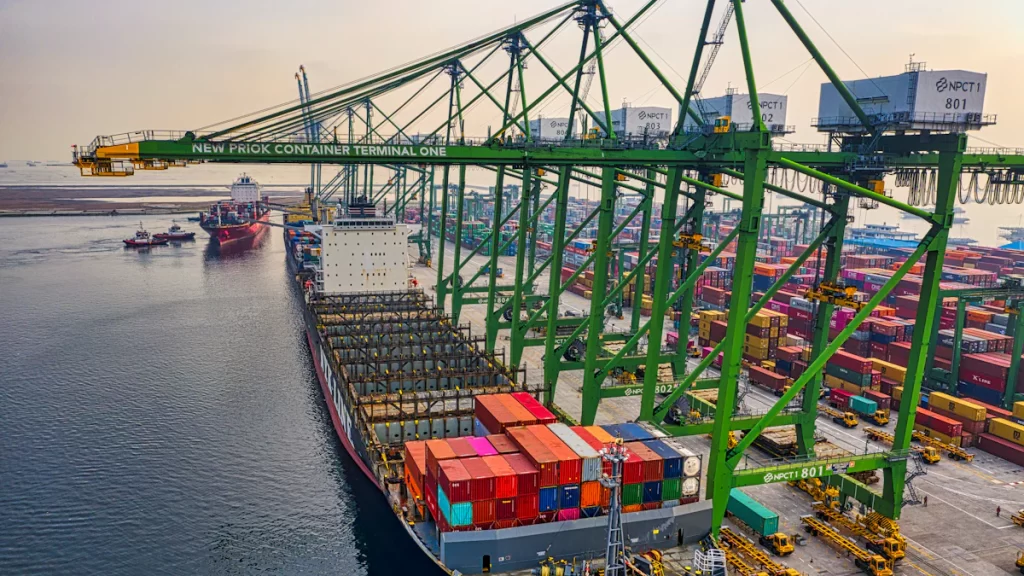
5. Should You Use Air or Sea Freight for Textile Imports?
Choosing the right method depends on shipping urgency, order size, seasonality, and inventory planning.
Air Freight Best For:
- Fast fashion
- High‑value garments
- Production delays needing urgent delivery
- Limited SKU restocks
Sea Freight Best For:
- Bulk fabric rolls
- Wholesale garment orders
- Large retail replenishments
- Non‑urgent shipments
Moreover, because textiles are often lightweight but bulky, dimensional weight affects air freight pricing significantly.
6. What Are the Tariffs and Duties for Textile Imports to the USA?
Textiles typically fall under HS Codes 50–63, which may carry import duties from 7% to 32%, depending on:
- Material (cotton, polyester, wool, silk)
- Product category (apparel, household textiles, industrial fabrics)
- Country of origin
- Presence of trade preferences
Furthermore, punitive tariffs may apply to certain China-made textile categories under U.S. trade regulations. Importers should confirm duty rates before shipping to ensure accurate landed cost calculation.
7.Conclusion
Understanding the shipping requirements for textiles from China to USA is essential for compliance, speed, and cost control. From labeling regulations to customs documentation and freight mode selection, importers must manage each step carefully to avoid delays and penalties. With proper planning—and support from an expert textile logistics partner—you can streamline your supply chain and improve delivery efficiency.
For reliable textile shipping with full compliance support, ChinaTopFreight provides professional logistics solutions tailored to apparel brands, wholesalers, and retailers. Let us help you move your textiles smoothly and safely across borders.
r freight the fastest, and rail freight the middle option. Door to door services simplify the process for newcomers, while careful forwarder selection avoids delays and hidden fees.
8. Request a Quote
China Top Freight offers:
- ✅ Origin and Destination Countries
- ✅ Cargo Type and Volume
- ✅ Preferred Transport Method (Air, Sea, Rail, Road)
- ✅ Delivery Timeline
- ✅ Special Handling Requirements (if any)
9. FAQ
1. What is the fastest way to ship textiles from China to the USA?
Air freight offers the fastest transit, delivering textile shipments within days while minimizing delays often associated with sea freight.
2. What type of packaging protects textiles best during international shipping?
Moisture‑proof wrapping, reinforced cartons, and vacuum‑sealed rolls prevent mold, wrinkling, and compression damage during long ocean transit periods.
3. Do textile shipments require special compliance testing before entering the USA?
Certain textiles, especially children’s garments, must undergo flammability and safety testing according to U.S. consumer product safety standards.
4. How can importers reduce customs delays for textile shipments?
Providing accurate documents, correct HS codes, and compliant labels significantly reduces customs delays during textile entry processing.
5. Are duties high for importing textiles into the USA?
Duties vary by fabric type and product category, so importers should review classifications carefully to determine the correct tariff rate.