

- By carlie tj
- November 13, 2025
- Logistics Guide
When managing international logistics, understanding the cost to ship electronics from China to Europe is crucial for tech retailers, distributors, and startups. From selecting the right freight mode to handling customs and certifications, electronics shipments require precision. With ChinaTopFreight, you’ll get tailored solutions to ensure compliance, reduce costs, and accelerate delivery from China to any European destination.
1. What Shipping Methods Are Available for Electronics from China to Europe?
Choosing the right method depends on urgency, cost, and the type of electronics being shipped.
| Method | Cost | Transit Time | Best For | Pros | Cons |
|---|---|---|---|---|---|
| Air Freight | $$$ | 3–7 days | Smartphones, PCs, small electronics | Fast and secure | High cost |
| Sea Freight (FCL) | $ | 30–40 days | Large volumes, TVs, monitors | Cheapest for bulk | Slow |
| Sea Freight (LCL) | $$ | 35–45 days | Small to medium-sized cargo | Flexible, lower cost | Slower due to consolidation |
| Rail Freight | $$ | 18–25 days | Mid-urgency shipments | Balanced speed and cost | Limited to central Europe |
| Courier/Express | $$$$ | 2–5 days | Samples, urgent accessories | Door-to-door convenience | Expensive for bulk shipments |
While sea freight offers the lowest unit cost, air and rail are popular for urgent and high-value items.
2. How Much Does It Cost to Ship Electronics from China to Europe?
Shipping costs vary based on cargo type, size, weight, and route.
| Mode | Cost (per kg or CBM) | Transit Time | Ideal For |
|---|---|---|---|
| Air Freight | $5.50 – $9.00/kg | 3–7 days | Laptops, tablets, accessories |
| Sea Freight (FCL) | $1,400 – $2,200/20ft | 30–40 days | Bulk electronics |
| Sea Freight (LCL) | $120 – $180/CBM | 35–45 days | Small electronics batches |
| Rail Freight (CBM) | $220 – $320/CBM | 18–25 days | Mixed shipments |
| Courier (DHL/UPS) | $10 – $20/kg | 2–5 days | Urgent deliveries |
Note: Dangerous goods surcharges apply for batteries or regulated electronic items.
3. Which Electronics Are Commonly Shipped to Europe?
China is a global hub for consumer and industrial electronics. Commonly shipped items include:
- Mobile phones and accessories
- Laptops and computer components
- Home electronics (TVs, speakers)
- Gaming devices and peripherals
- Smart home devices and IoT systems
- Electronic modules (ICs, PCBs, sensors)
- Car electronics and dashcams
Moreover, high-value shipments often require secure packaging and insurance for international transit.
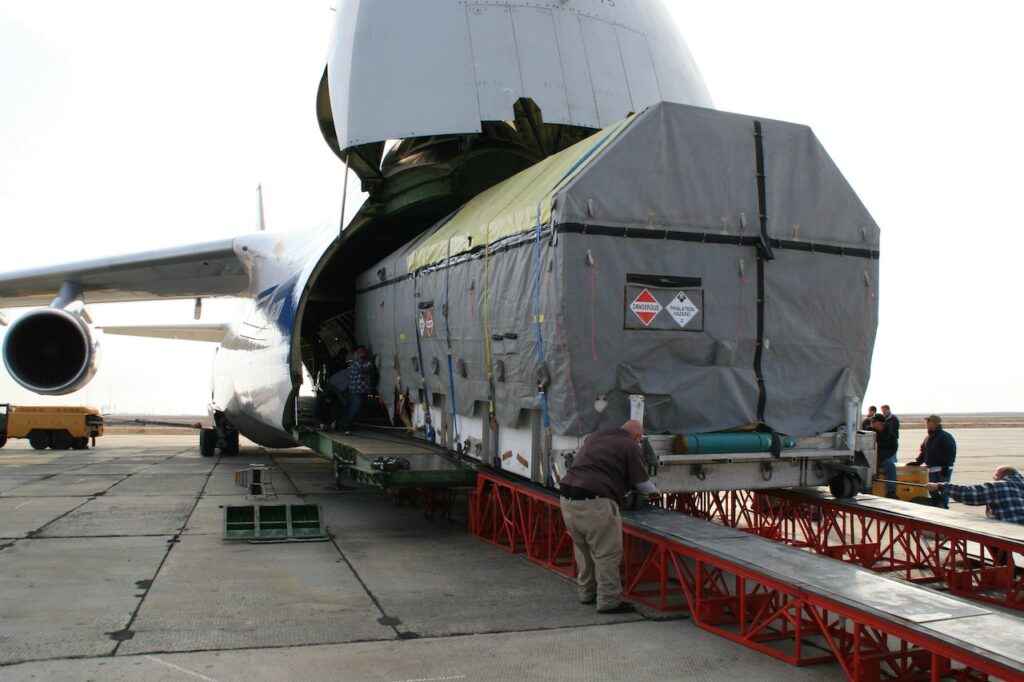
4. What Documents Are Needed for Shipping Electronics?
Customs clearance in Europe requires specific documents. Incomplete or inaccurate documents can cause delays and fines.
| Document | Function |
|---|---|
| Commercial Invoice | Declares item value and description |
| Packing List | Lists cargo details by weight, volume, packaging |
| Bill of Lading/Air Waybill | Confirms carriage by sea or air |
| Certificate of Origin | Needed for trade agreement eligibility |
| CE Certificate | Required for EU safety compliance |
| MSDS (if batteries) | Required for lithium or hazardous materials |
| Importer EORI Number | Mandatory for customs clearance in Europe |
For lithium battery-powered
5. What Are the Pros and Cons of Sea vs Air vs Rail for Electronics?
Each transport mode has advantages based on cost, urgency, and cargo characteristics.
Summary:
- Air Freight: Ideal for high-value, urgent deliveries
- Sea Freight: Best for cost-saving on large volumes
- Rail Freight: A strong balance of speed and economy (central Europe only)
Selecting the right mode reduces landed costs and avoids unnecessary delays.
6. What Packaging Is Best for Electronic Shipments?
Electronics are fragile and often sensitive to static and moisture. Proper packing is essential.
Best Practices Include:
- Anti-static ESD bags
- Bubble wrap and foam inserts
- Double-corrugated boxes
- Shrink wrap and corner protectors
- IP-rated waterproof packaging for sea freight
- UN-labeled boxes for battery cargo
Moreover, palletization minimizes movement and damage during long-haul shipping.
7.Conclusion
Understanding the cost to ship electronics from China to Europe requires careful consideration of mode, volume, value, and regulatory compliance. Electronics are often sensitive and valuable, making secure packaging, proper documentation, and timely delivery essential. Sea freight remains the cheapest option for bulk, while air and rail serve faster delivery needs.
To reduce risks and optimize efficiency, work with a freight forwarder experienced in electronic cargo. ChinaTopFreight provides end-to-end support—from pickup and export clearance to European delivery and VAT planning—ensuring your electronics move smarter, faster, and more profitably.
8. Request a Quote
China Top Freight offers:
- ✅ Origin and Destination Countries
- ✅ Cargo Type and Volume
- ✅ Preferred Transport Method (Air, Sea, Rail, Road)
- ✅ Delivery Timeline
- ✅ Special Handling Requirements (if any)
9. FAQ
1. Is insurance mandatory when shipping electronics?
While not mandatory, insurance is highly recommended for high-value electronics to cover loss, damage, or customs-related delays.
2. Can I ship lithium battery devices via sea and air freight?
Yes, but they must be declared as Dangerous Goods and packed with MSDS, UN3480/3481 labels, and IATA/IMDG compliance.
3. Do electronics from China require CE marking for Europe?
CE certification is required for most consumer electronics, proving they meet EU health, safety, and environmental standards.
4. What’s the cheapest way to ship bulk electronics to Europe?
Sea freight (FCL) is the most cost-effective for large volumes, especially when shipping TVs, monitors, or desktop computers.
5. Can I ship mixed electronics and accessories together?
Mixed cargo is allowed, but each item must be declared with correct HS code, value, and packaging in the invoice and packing list.