

- By ayla tj
- November 14, 2025
- Logistics Guide
China’s fast-growing cross-border ecommerce ecosystem continues to expand, and many sellers now rely heavily on amazon logistics China to Australia to streamline inventory replenishment. Because competition is rising dramatically, sellers must optimize shipping costs, ensure compliance, and shorten transit times. Moreover, choosing the right shipping mode can significantly improve profit margins and delivery performance.

1. What Is Amazon Logistics China to Australia and How Does It Work?
Amazon logistics China to Australia refers to the supply chain process that moves goods from Chinese suppliers or warehouses to Australian Amazon FBA fulfillment centers. Although sellers may use sea freight, air shipping, express services, or multimodal solutions, the core goal is always the same: deliver inventory efficiently while minimizing risks and costs. Additionally, this process requires proper customs documentation, predictable delivery schedules, and compliance with Amazon’s inbound rules.
2. Why Do Ecommerce Brands Choose Amazon Logistics China to Australia?
Sellers prefer this route because China offers low product costs, while Australia has a fast-growing Amazon marketplace. Furthermore, shipping options have become more flexible, including dedicated FBA ocean freight, air cargo consolidations, and express door-to-door delivery. These choices allow businesses to maintain strong supply chain reliability even during seasonal demand spikes.
3. What Shipping Methods Are Available for Amazon Logistics China to Australia?
Below are the main freight choices sellers typically use. Because each method has unique costs and transit times, choosing the right one depends on product category, urgency, and shipping budget.
| Shipping Method | Average Cost | Transit Time | Best For | Pros | Cons |
|---|---|---|---|---|---|
| Sea Freight FCL | Low | 18–28 days | Large volume | Cost-effective, stable | Longer transit time |
| Sea Freight LCL | Medium | 22–30 days | Medium loads | Affordable for small volumes | Extra handling |
| Air Freight | Higher | 5–9 days | Urgent restocking | Fast, reliable | Higher cost |
| Express Courier | Highest | 3–6 days | Small packages | Door-to-door, fastest | Expensive |
| Rail + Air Multimodal | Medium | 10–15 days | Mid-urgency | Balanced time and cost | Limited routes |
Naturally, sellers may choose different methods depending on whether they need Amazon-Prep services, palletizing, repacking, carton labeling, or quality inspections. Additionally, busy seasons may affect shipping costs and availability.
4. How Much Does Amazon Logistics China to Australia Cost in 2025?
Shipping costs depend on weight, volume, method, and destination FBA warehouse. However, understanding general pricing helps sellers estimate budgets more accurately.
| Shipment Type | Estimated Cost (USD) |
|---|---|
| 1 CBM LCL by Sea | $60–$95 |
| Full 20GP Container | $1,250–$1,900 |
| Full 40HQ Container | $2,100–$3,100 |
| Air Freight (45–100 kg) | $6.0–$7.5/kg |
| Air Freight (300+ kg) | $4.5–$5.5/kg |
| Express (0.5–30 kg) | $9.0–$12.5/kg |
Because fuel surcharges, peak season surcharges, and customs clearances vary, sellers must check up-to-date freight quotes. Moreover, selecting the right Incoterm (FOB, EXW, CIF, DDP) will significantly influence the final cost.
Are you ready to book?
Access live instant freight quotes
5. What Documents Do You Need for Amazon Logistics China to Australia?
Compliance is essential because Australian customs are strict with products entering the country. Although the required paperwork varies by product, the core set of documents includes:
| Document | Required For | Notes |
|---|---|---|
| Commercial Invoice | All shipments | Must include HS code and value |
| Packing List | All methods | Detailed carton information |
| Bill of Lading / Airway Bill | Sea/Air shipments | Must match goods exactly |
| MSDS | Batteries, chemicals | Required for dangerous goods |
| Certificate of Origin | Some products | Can reduce taxes |
| Import Declaration | Clearance in AU | Usually handled by agent |
Additionally, sellers must ensure that product barcodes meet Amazon labeling standards and that packaging follows FBA inbound compliance rules.
6. How Long Does Amazon Logistics China to Australia Take?
Transit time varies depending on origin airport or seaport, destination FBA center, and shipping method. However, below is a general overview.
| Route | Transit Time |
|---|---|
| Shenzhen → Sydney (Sea) | 18–28 days |
| Shanghai → Melbourne (Sea) | 20–30 days |
| Guangzhou → Brisbane (Air) | 5–8 days |
| Hong Kong → Perth (Express) | 3–6 days |
| Shenzhen → Adelaide (Multimodal) | 10–15 days |
Since weather, customs inspections, and carrier load affect timing, sellers should always allow buffer time when planning replenishment cycles.
7. How to Choose the Best Shipping Mode for Amazon Logistics China to Australia?
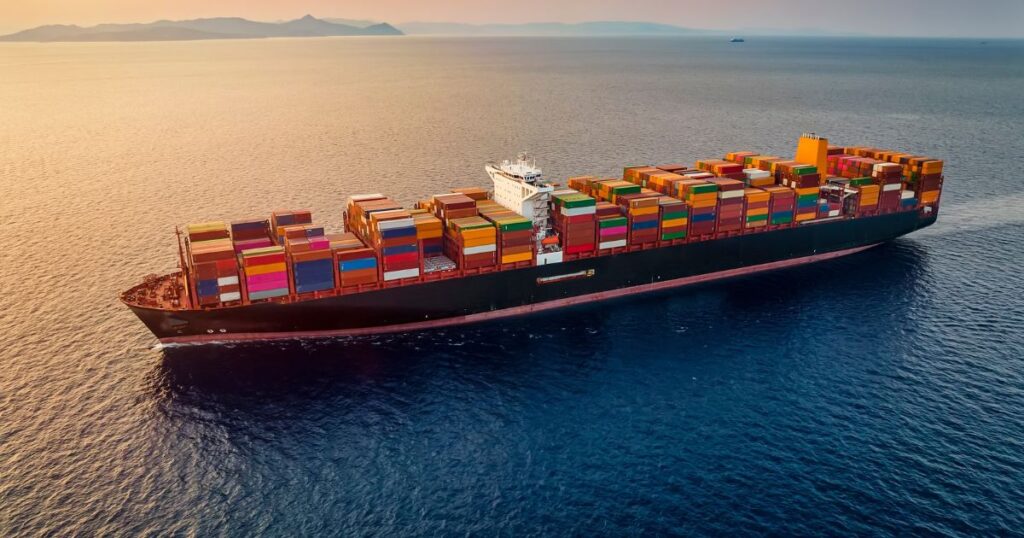
Choosing the right shipping option requires balancing cost, speed, and cargo sensitivity. Therefore, sellers should evaluate:
- Inventory urgency
- Product category (fragile, dangerous goods, oversized)
- Forecasted demand
- Shipping budget
- Amazon storage limitations
Furthermore, using data-driven inventory planning—combined with seasonal sales analysis—can significantly reduce stock-out risks.
8. What Are the Pros and Cons of Air vs Sea vs Express Freight?
Because many sellers struggle to choose between speed and cost savings, the table below provides a quick overview.
| Mode | Pros | Cons |
|---|---|---|
| Sea Freight | Lowest cost, stable for bulk shipping | Slowest; requires planning |
| Air Freight | Faster and reliable | Higher freight rate |
| Express Courier | Fastest and simplest | Most expensive |
| Multimodal | Balance of cost/time | Limited capacity |
Additionally, some sellers prefer using sea freight for bulk shipments while using air for urgent inventory. This hybrid strategy often minimizes overall cost.
9. How to Avoid Delays When Shipping to Amazon Australia FBA?
To ensure timely arrivals, sellers should:
- Use Amazon-approved labels and carton requirements
- Pre-book shipping space during sales seasons
- Provide complete customs documents
- Work with freight forwarders experienced in FBA
- Use predictive inventory tools
- Consolidate shipments to reduce handling
Moreover, double-checking carton weight limits and ensuring pallets meet Australian standards helps prevent warehouse rejections.
10. How to Reduce Shipping Costs for Amazon Logistics China to Australia?
Although freight prices fluctuate, sellers can lower costs by:
- Shipping in full containers
- Consolidating smaller shipments
- Choosing slower non-urgent modes
- Using warehouse prep services in China
- Negotiating long-term contracts with freight agents
- Avoiding peak seasonal periods
Additionally, accurate forecasting prevents emergency air shipments, which can drastically increase costs.
Conclusion
Managing amazon logistics China to Australia effectively is essential for maintaining healthy inventory levels, controlling shipping costs, and ensuring smooth Amazon FBA operations. Because freight rates, customs requirements, and delivery timelines constantly change, sellers who plan ahead gain a strong competitive advantage. By choosing the right shipping mode, preparing accurate documents, and working with experienced logistics partners, you can avoid delays, optimize your supply chain, and protect your profit margins. As the Australian ecommerce market continues to grow, staying proactive and well-informed will help your business scale confidently and sustainably. If you need tailored advice or a reliable shipping plan, professional support can make your entire China-to-Australia workflow significantly easier.
FAQ
1. How can I forecast the right inventory level when shipping from China to Amazon Australia?
Use historical sales data, seasonality trends, and Amazon restock recommendations to estimate demand. Accurate forecasting prevents stock-outs and avoids expensive emergency shipments.
2. Does Amazon Australia have specific pallet or carton restrictions sellers often overlook?
Yes, Amazon requires specific pallet heights, carton weight limits, and labeling positions. Double-checking these rules before shipping prevents warehouse refusal and unnecessary delays.
3. Can I send mixed-SKU cartons to Amazon Australia FBA warehouses?
Yes, mixed-SKU cartons are allowed, but each SKU must have correct labeling. Following Amazon’s barcode and packaging requirements ensures smoother inbound receiving.
4. What logistics mistakes commonly cause FBA inventory issues in Australia?
Incorrect labeling, inaccurate carton dimensions, and missing compliance information often cause delays. Working with experienced FBA freight forwarders reduces these common operational errors.
5. How do sellers reduce long-term storage fees when importing into Amazon Australia?
Plan smaller, more frequent replenishment cycles and monitor inventory age. Amazon charges higher fees for ageing units, so proactive stock rotation keeps costs low.